
Wake up, Maggie, I think I got somethin’ to say to you
It’s late September and I really should be back at school
I know I keep you amused, but I feel I’m being used
Oh, Maggie, I couldn’t have tried any moreYou led me away from home
Just to save you from being alone
You stole my heart and that’s what really hurtsMaggie May. Rod Stewart
8222: The number of islands in Australia. Eight thousand two hundred and twenty-two! Australia – a pretty large island itself – has a large number of islands in the Pacific, Indian, and Southern Oceans, and the Coral and Timor Seas. To visit them all would take over a lifetime. No chance – I’m too old for that! Started too late. But I guess I can at least try to see a few.
Tasmania, of course – Australia’s largest island. Done. Been there, done that. Fell in love with Tassie! But that’s about it! I have 8221 islands to go and don’t know where to start!
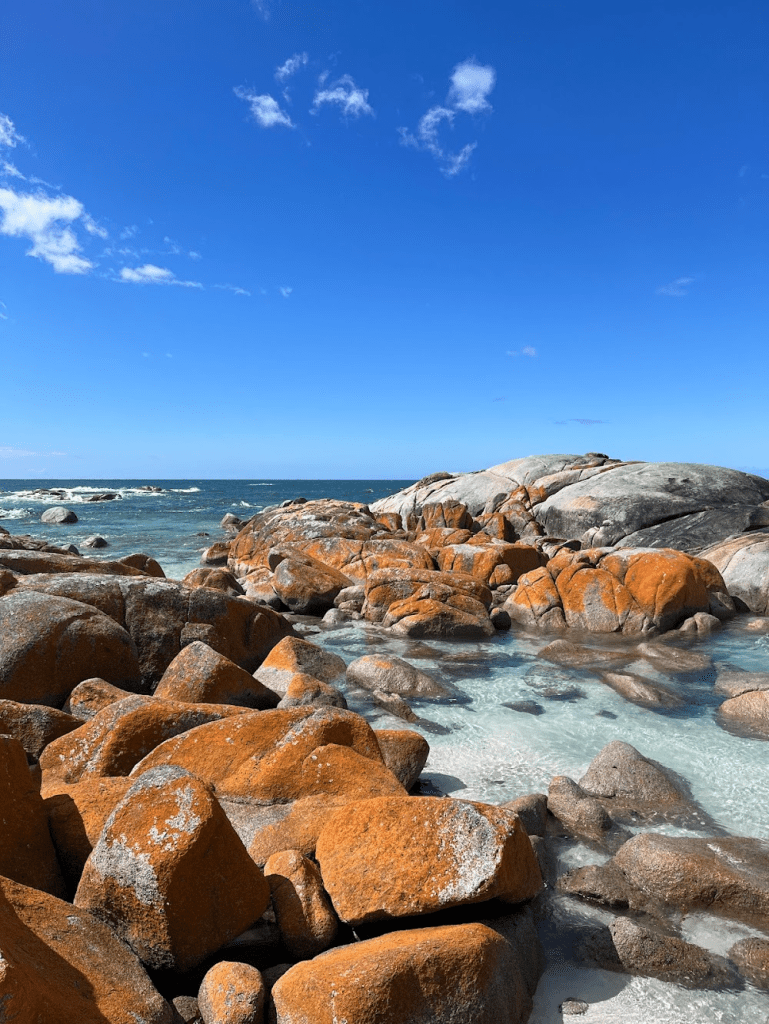
Maybe Bruny Island, the curious little island at the edge of the world, off the coast of Tasmania? Known for its dramatic landscapes and gourmet kitchens? Or Rottnest Island, the happy little island on the West Coast, where cute little quokkas smile at you? Kangaroo Island in the south, rugged and wild. Tiwi Islands in the North, artfully remote.

The beautiful islands along the east coast, with their white sandy beaches and turquoise waters. K’gari (Fraser) Island, the family escape; the Whitsundays in the Great Barrier Reef, a beachcomber’s paradise; or North Stradbroke Island, “Straddie” as the locals call it – the little hidden paradise off the coast of Brisbane. Not to mention Lord Howe Island, Australia’s most exclusive luxury island, World Heritage-listed for its natural beauty. Would love to visit but can’t afford it.
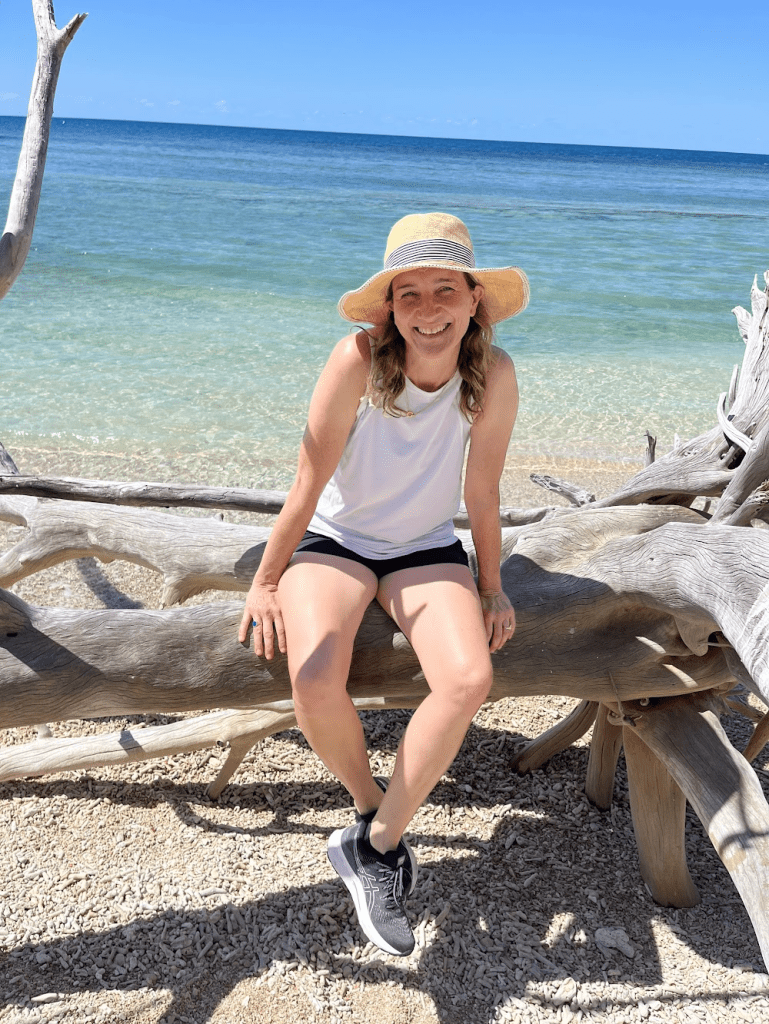
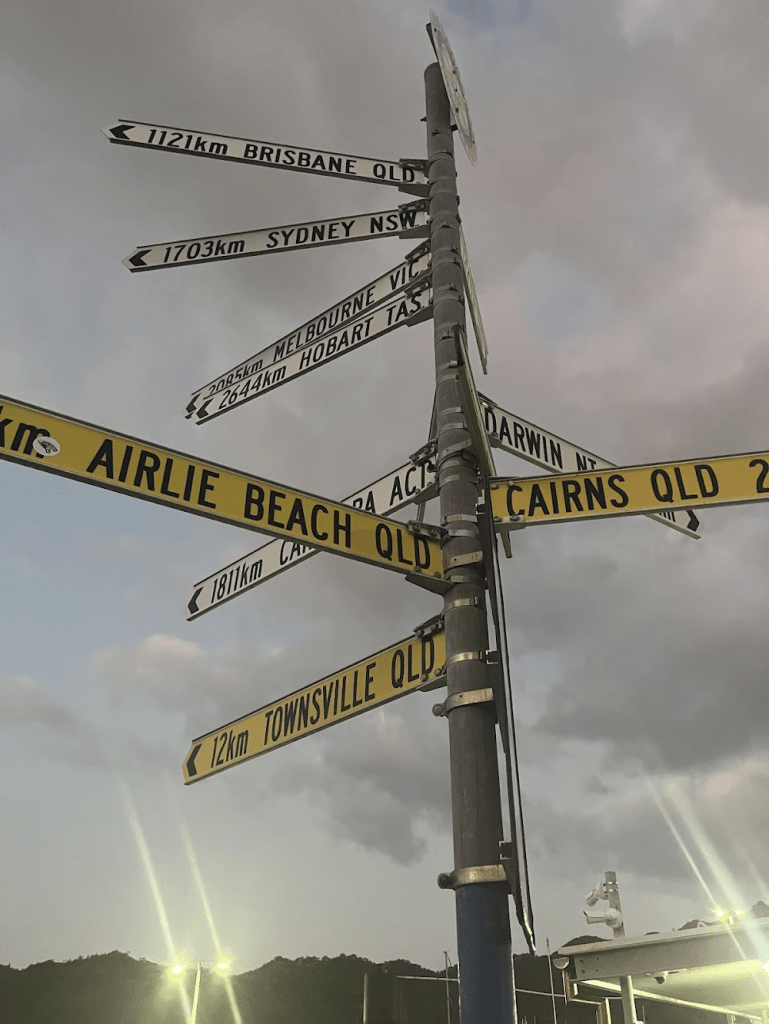
First world problems, I know. Tassie, Rotto, Bruny, KI, Straddie… I love them all. But for this year’s spring break I had to decide on one, and so I settled on Maggie – the most underrated island in the Great Barrier Reef. 1700km from Sydney – two hours by plane. 5km off the coast of Townsville in North Queensland. The most magical suburb I have ever seen. I felt the attraction instantly. Boom boom!
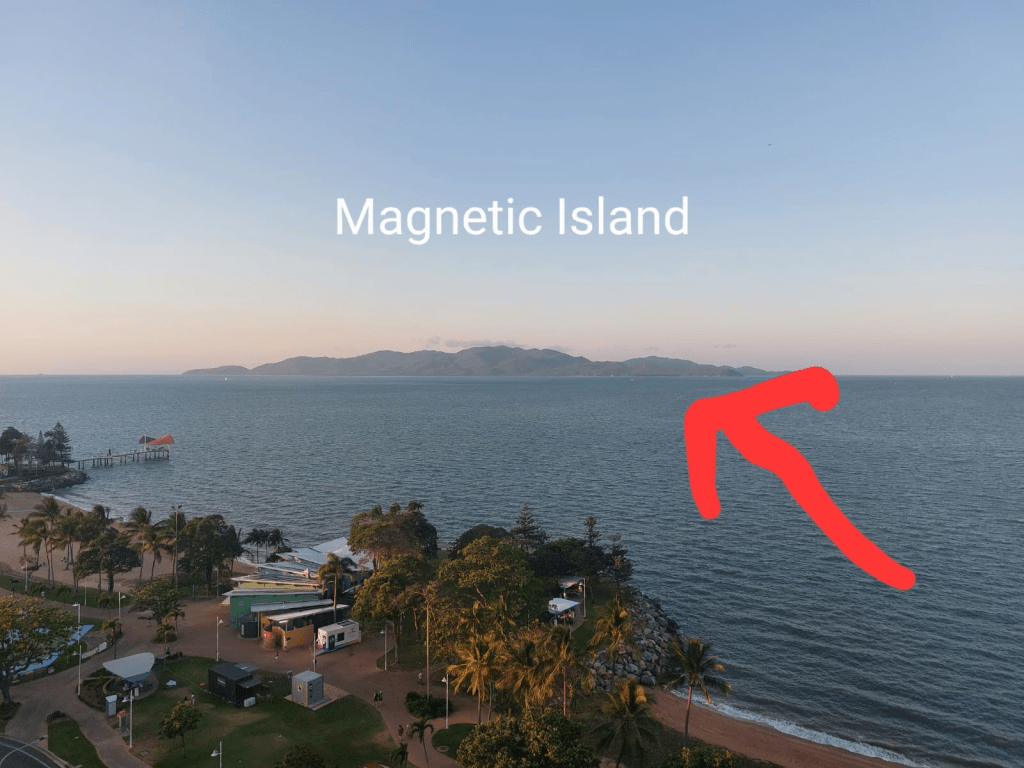
I’m not sure what I was expecting but I wasn’t expecting this. The strange name ruined it a bit for me. Magnetic Island? Really? Where did that come from? Places and islands in Australia are often named after whatever European invader “first” set his foot on them – usually ignoring the fact that most of these places had been inhabited for thousands of years by indigenous peoples before them, who had already given these islands their names.
And much more meaningful and fitting names dare I say? Rottnest Island is called Wadjemup, the place of spirits. Bruny Island – Lunawanna-alonnah, the land across the water. Kangaroo Island Karta Pintingga – Island of the dead. And North Stradbroke Minjerribah, place of many mosquitoes. Instead we are stuck with nicknames like Rotto, Tassie, and Straddie – familiar maybe, and friendly. Australians do like their diminutives and nicknames.
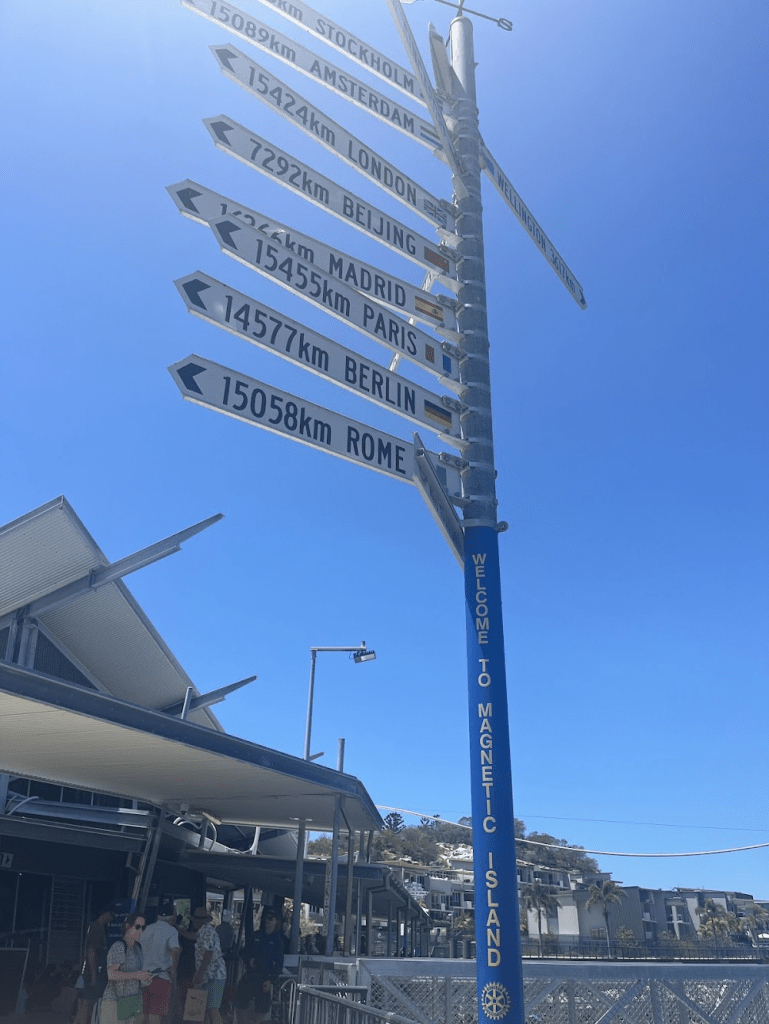
But Magnetic Island? I couldn’t help but think of a giant mine where they dig for magnets (ok I know that’s not a thing, but you know what I mean.) Or a video game my first graders would enjoy playing on their tablets! I keep having The Pointer Sisters “Neutron Dance” playing in my head. All things electric-magnetic. But not necessarily attractive. I could not have been more wrong. Magnetic Island was positively one of the most beautiful places I had been to. It pulled me right in. Boom boom!
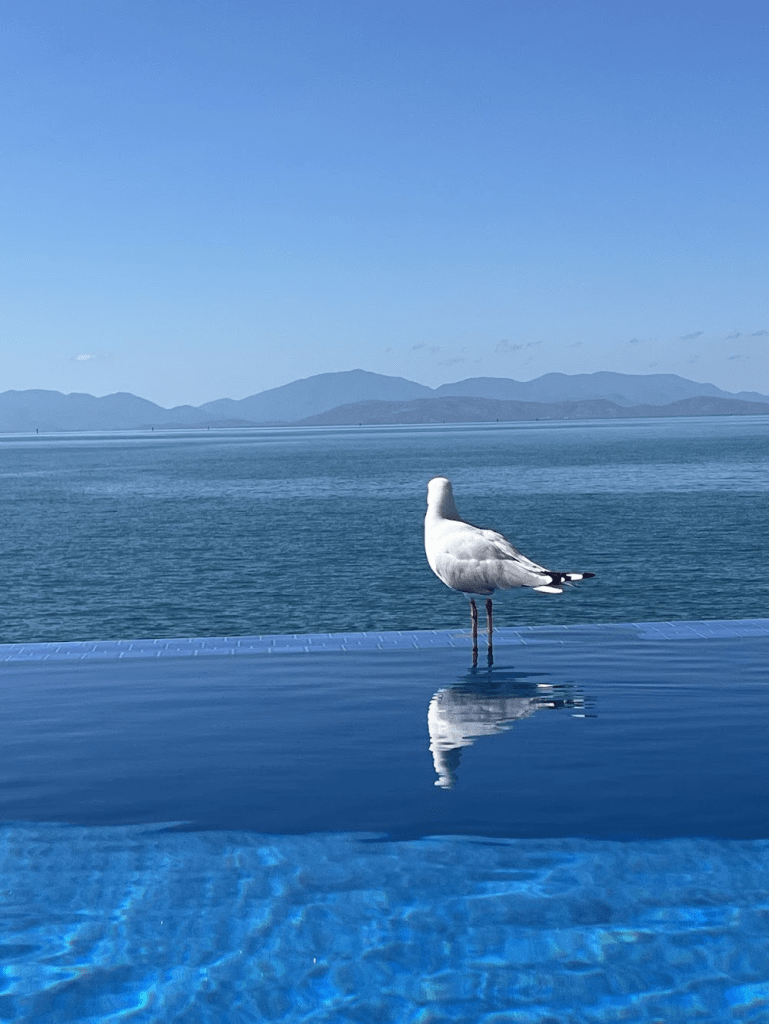
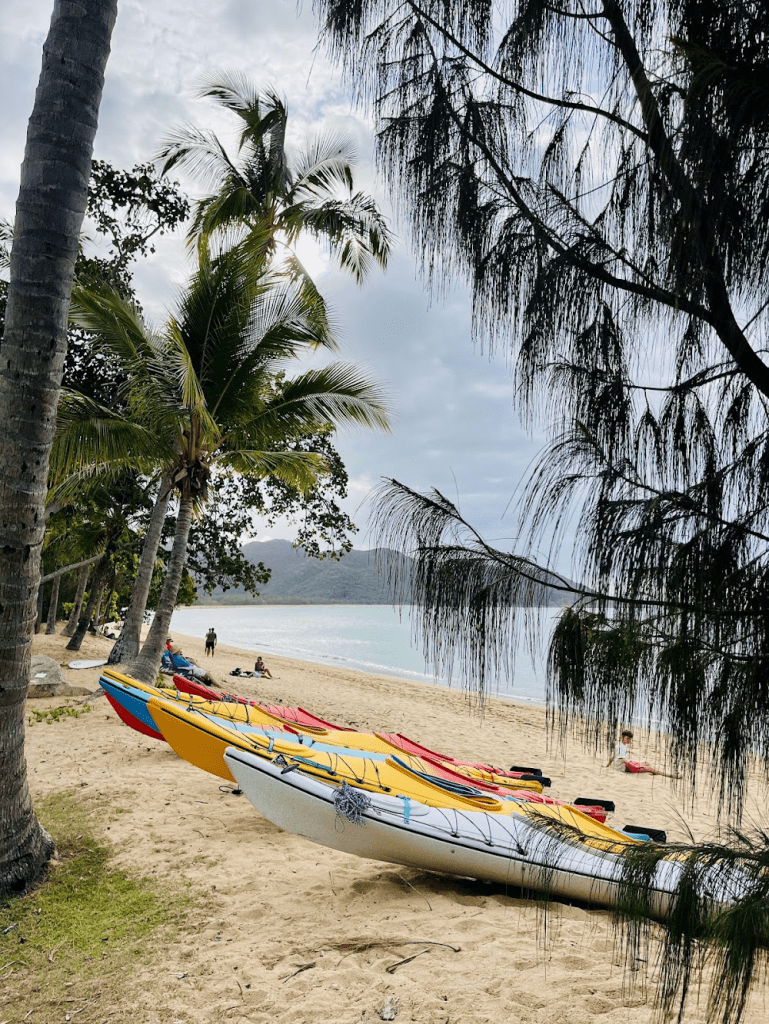
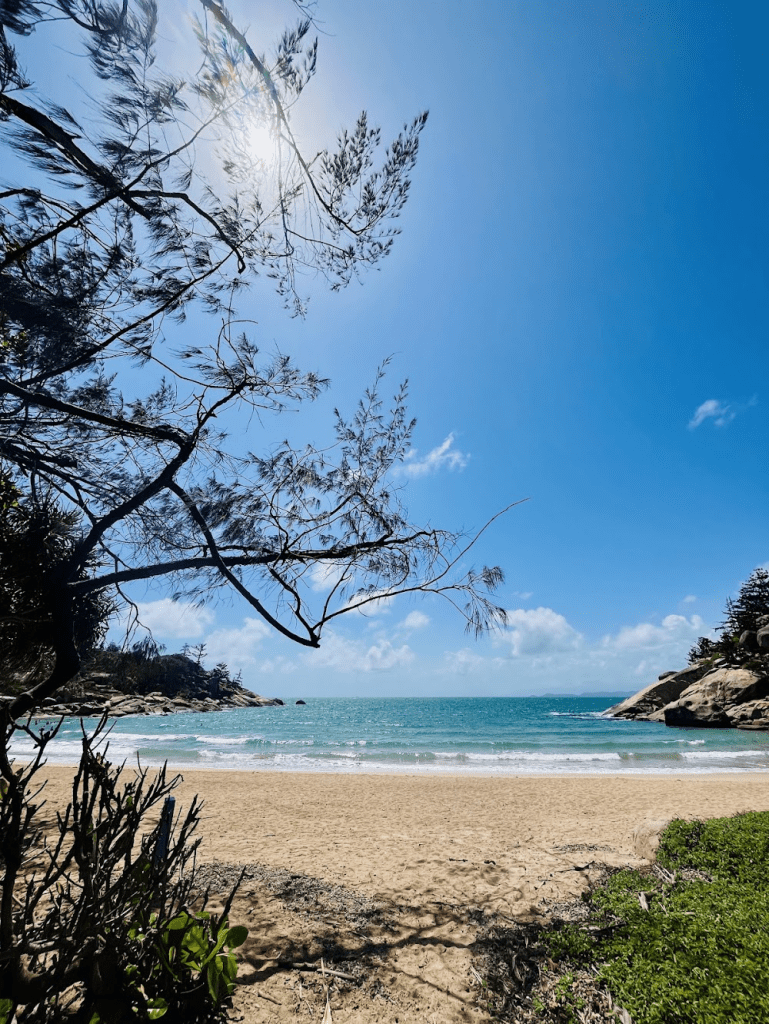
Turned out, good-old James Cook was to blame for this styrange name. He sailed by the island that had been inhabited for over 9000 years by the Aboriginal Traditional Custodians of Yunbenun (Magnetic Island), the Wulgurukaba ‘canoe people’, in 1770 and thought his magnetic compass was acting up due to the large amount of huge granite boulders that constituted the island. Though intensive research could not prove this random theory, the name stuck: Magnetic Island was born. Well, not really.
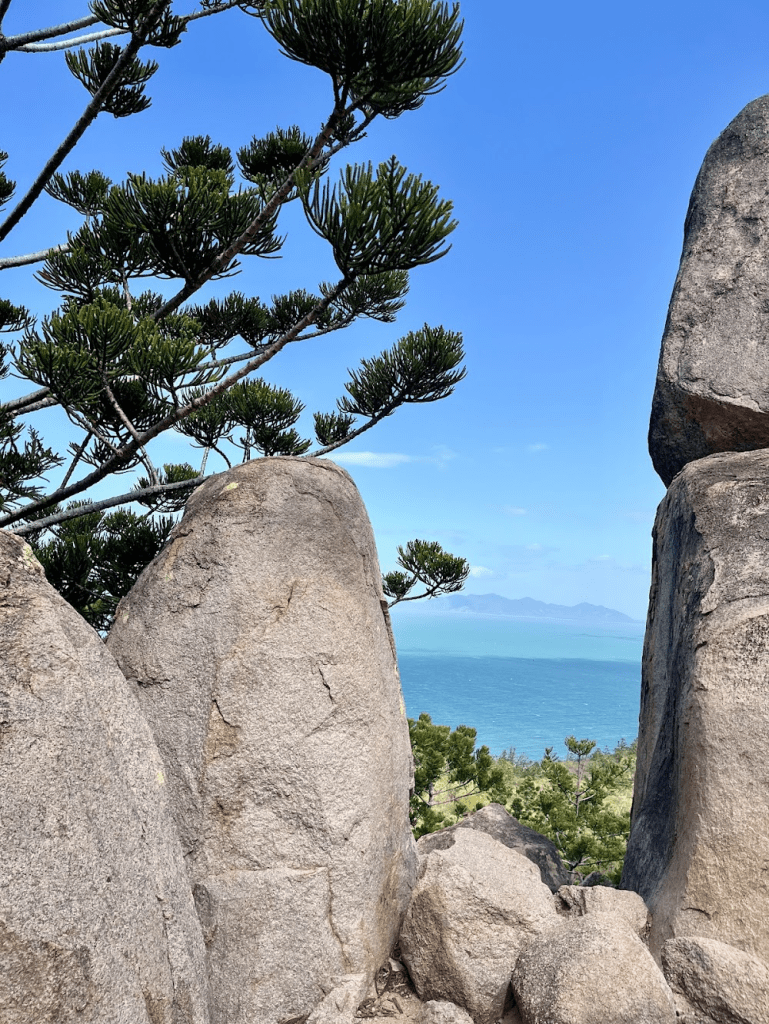
In fact, the island had been formed 275 million years ago, when molten lava was pushed to the earth’s surface with volcanic force. Just like the formation of many other islands in Australia were caused by underwater volcanic eruptions: Lord Howe, the Whitsundays, Hawaii.
With the latter obviously not being Australian but exploring Magnetic Island definitely reminded us of being in Hawaii. The stunning palm-lined beaches, dense mangroves, the fringing coral reefs, huge granite boulders, hillsides covered with tropical lush greenery of hoop pines, eucalyptus, and ferns. The aquamarine ocean and the countless sandy beaches and hidden bays. But then – I have never been to Hawaii. But that’s what I imagine it to be like. A little piece of heaven. Paradise.
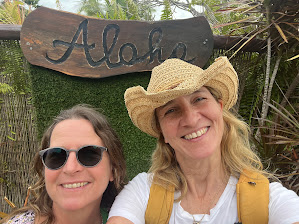
And what was nice about this place was that it seemed to be stuck in time. In a good way. A life-changing place that forced you to slow down and appreciate the little things. The public bus that connects the south shore with the north, where you still paid with coins. The pink plastic “topless” buggies that served as rental cars to explore the many bays and beaches on the island. The local attractions of toad races and concerts in the local RSL club. The backpackers and the aged hippies with their fading tattoos on wrinkly skin. A chilled-out vibe where you could spend a lot of koala-ty time.
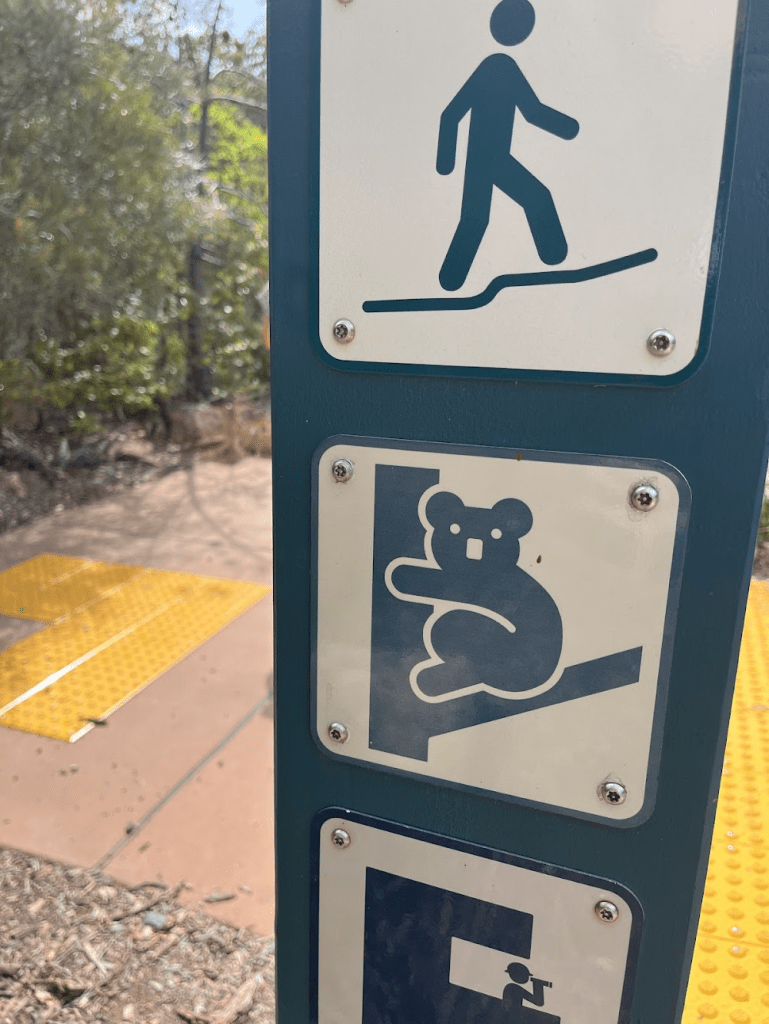
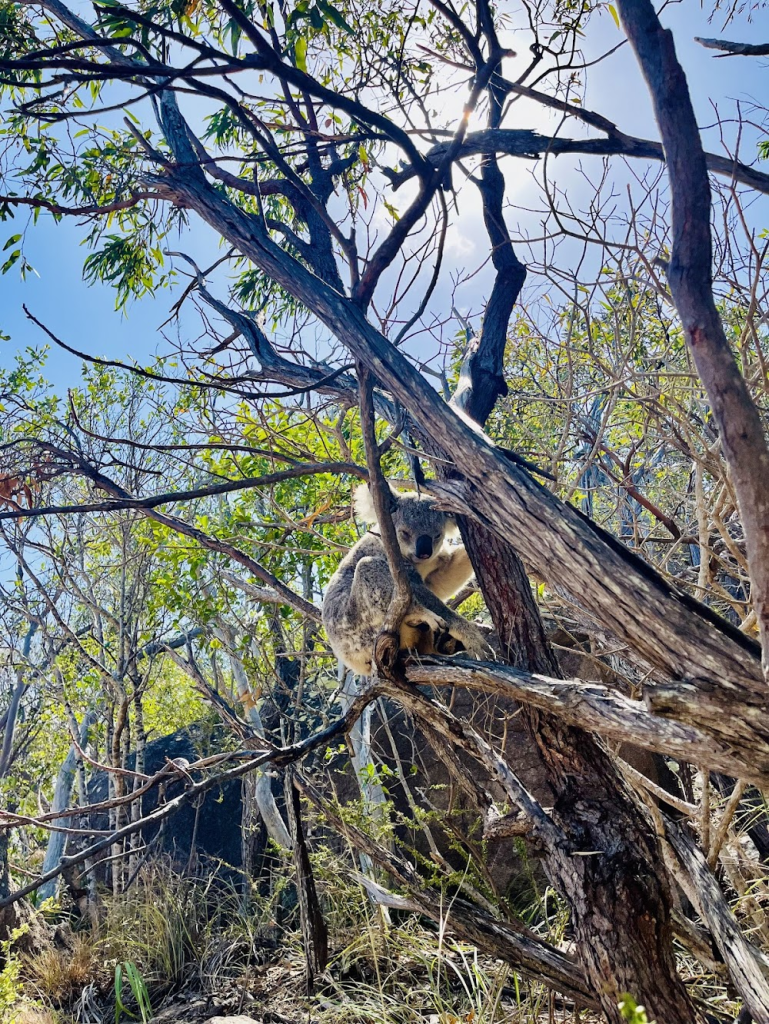
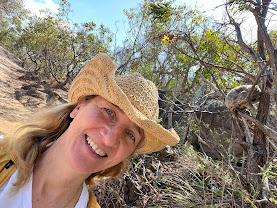
Magnetic Island has about 2000 proud locals and 800 sleepy koalas living on it. The highest concentration of koalas in all of Australia. Brought to the island in the 1930s to protect the animal, it is now one of the few places in Australia where you could still see koalas in the wild. And so we did! After days of doing nothing, recovering from a very busy term 3 at school. Of sleeping, eating, napping, reading, eating, and back to sleeping, we gathered all our newfound energy and made our way to the rugged hilly interior of the island to look for these cute little bears – which they are not, of course!
Looking for wild koalas in Australia had been a bit like being a storm chaser in the Deep South of America so far. You hear about one having been sighted and off you go and try to find it. So my hopes were not very high, I have to admit. Bus 250 dropped us off at Station Junction, an old military site from the 1940s as part of the Pacific War, and now a popular walking trek and place to spot koalas.
And we did! There it was, a sleepy koala male, sleeping in the tree. Not at all fazed by our appearance, not even trying to hide. Just sleeping the day away. I’m not really surprised that there are not too many around anymore. They are not exactly trying hard to save themselves. But very cute and very special nonetheless! A truly magnetic moment that will stick with us!

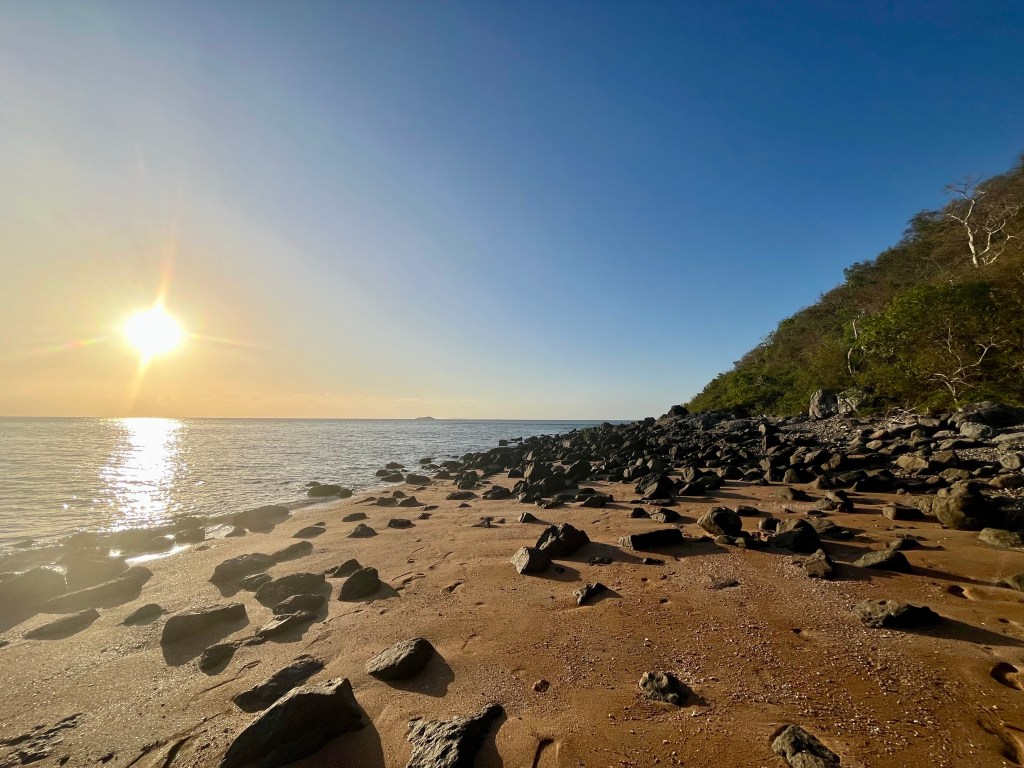
We finished our much-needed time on this island of slowing down and appreciating the little things, with a sunset safari at West Point Beach, part of the Magnetic Island National Park. Seventy-five percent of the island is part of the National Park, whose name the Department of Environment, Science and Innovation (DESI) has proposed to change to Yunbenun.
The name – pronounced Yuhn-beh-nin – is the preferred label for the island by the Wulgurukaba or ‘canoe people’. Yunbenun National Park. A call for the entire island going back to its original name has received strong pushback. Some question why change things, why potentially confuse people, and why bother with the return to traditional names at all.
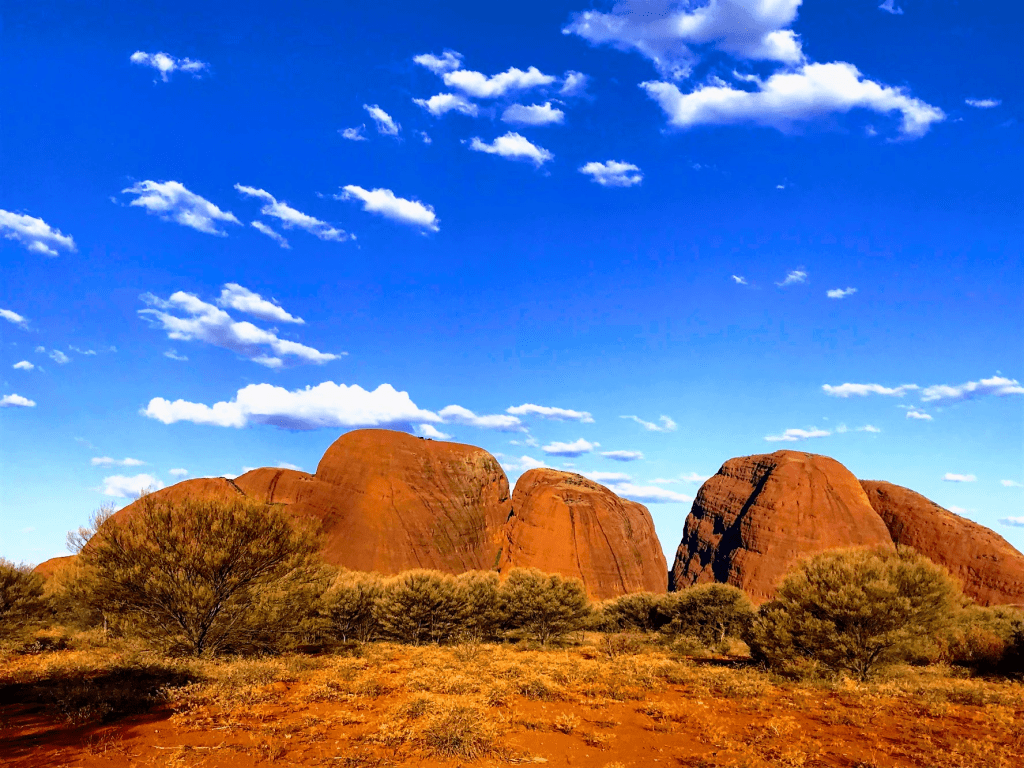
There is a trend in Australia to use at least dual names when referring to places. Ayers Rock was the most widely used name until 1993, when the rock was officially renamed Ayers Rock / Uluru – the first feature in the Northern Territory to be given dual names. In 2013, the Tasmanian government announced a dual naming policy and “kunanyi / Mount Wellington” was named as one of the inaugural dual-named geographic features. And in 2021, the Queensland Government started the process to rename Fraser Island to K’gari. It is now called K’gari (Fraser) Island.
Magnetic Island’s name will not change, as critics have been reassured. Inhabited for thousands of years by the traditional inhabitants, the Wulgurukaba or ‘canoe people’, who had seasonal camps on the island. They were able to maintain their traditional lifestyle until the 1890s, when European settlers set up their first resort in Picnic Bay. The Wulgurukaba remained on the island until the 1930s, until they were forcefully removed to work and live in missions on the mainland.
Magnetic Island is a hidden gem. A little paradise only a few kilometres off the shore of Queensland, Australia. It definitely has a strong pull. But it just ain’t Magnetic!
Cheers!
 Thoughts From the Upside Down
Thank you for sharing this beautiful island! Looks so tranquil and rugged at the same time!
Enjoy your spring break!
LikeLiked by 1 person
Thank you Gina! Some parts actually did remind me of Canada- the Georgian bay 😊
LikeLike
Danke, liebe Gisela! Wieder durfte ich ein Stück des für mich bisher so unbekannten Erdteils kennenlernen, von Dir charmant, geistreich und witzig geschrieben. Weiter so!
LikeLiked by 1 person
Danke für das tolle Feedback. Schön dass es dir gefallen hat.
LikeLike