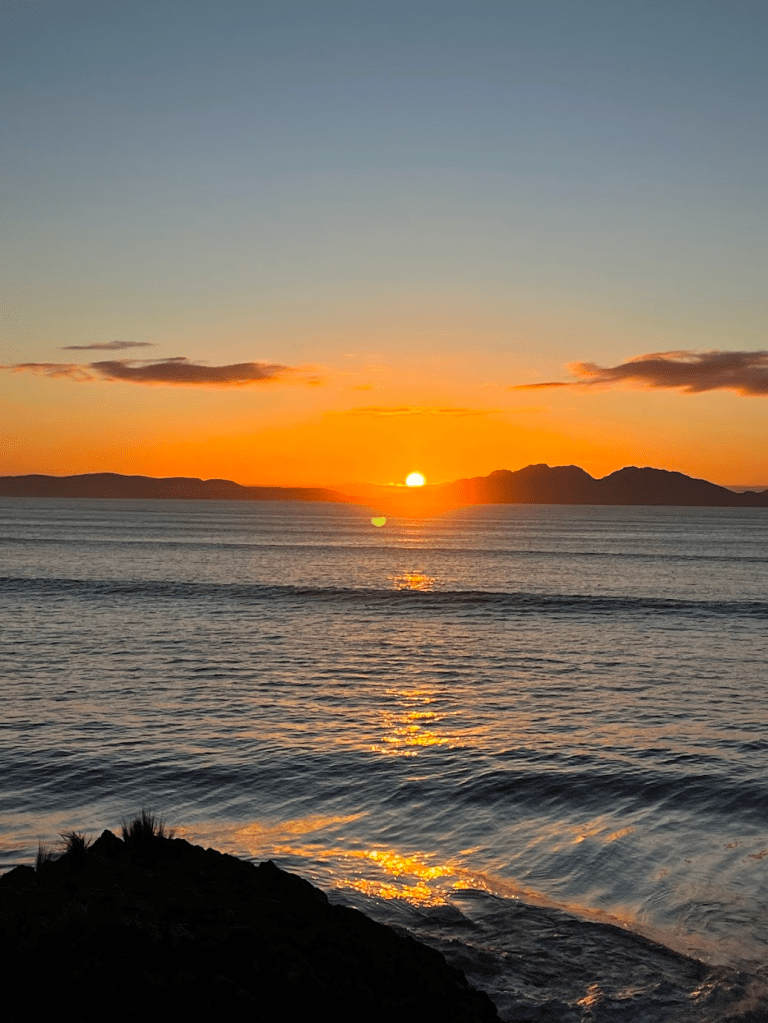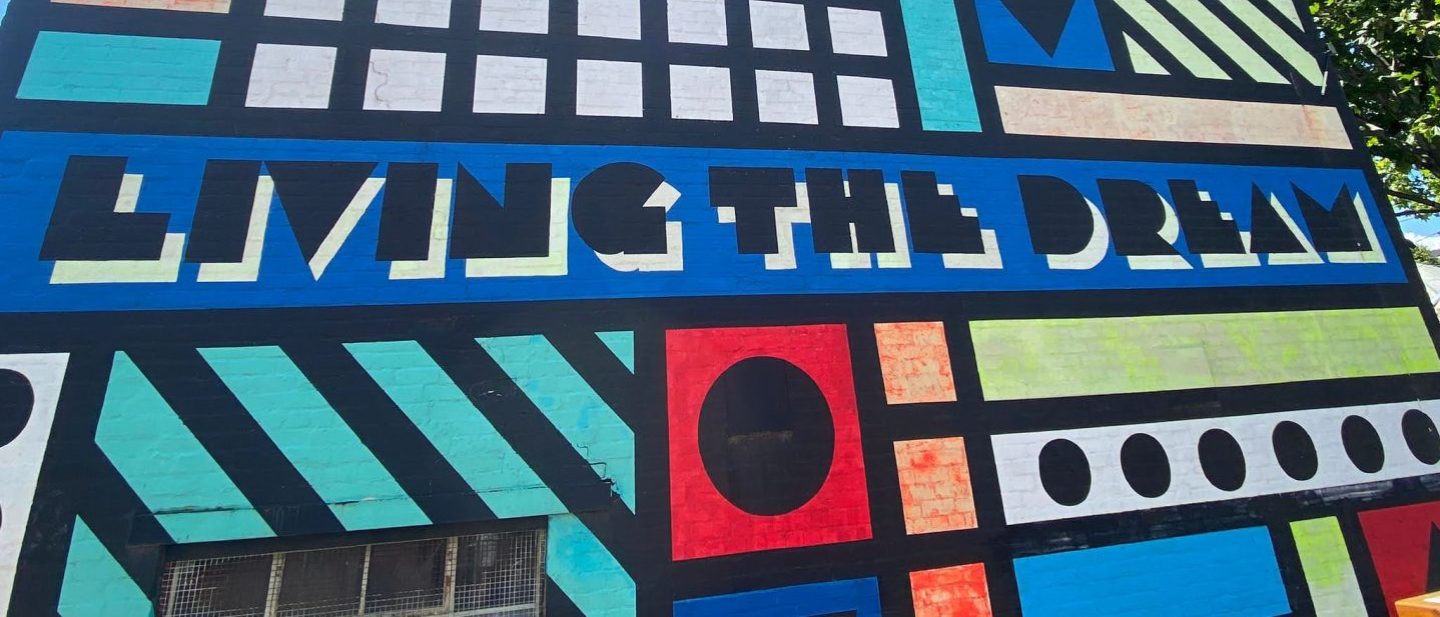
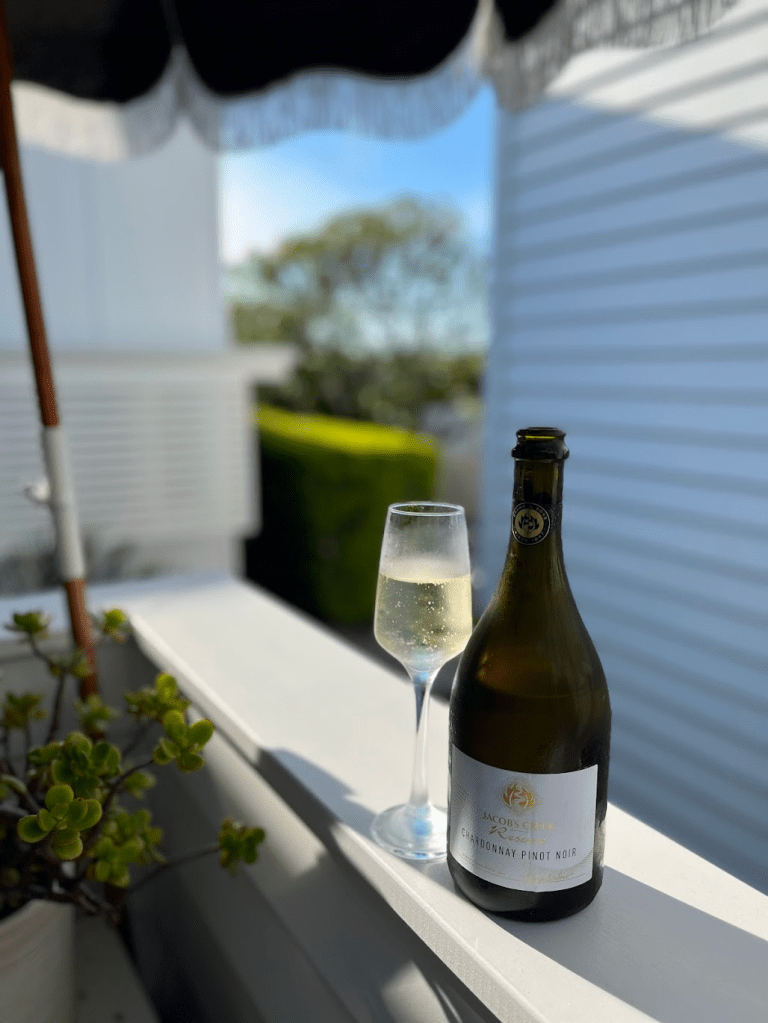
Cheer Up, Slow Down, Chill Out!

Rise up this mornin’,
Smiled with the risin’ sun,
Three little birds
Pitch by my doorstep
Singin’ sweet songs
Of melodies pure and true,
Sayin’, (“This is my message to you-ou-ou:”)

Singin’: “Don’t worry ’bout a thing,
‘Cause every little thing gonna be all right.”
Singin’: “Don’t worry (don’t worry) ’bout a thing,
‘Cause every little thing gonna be all right!”

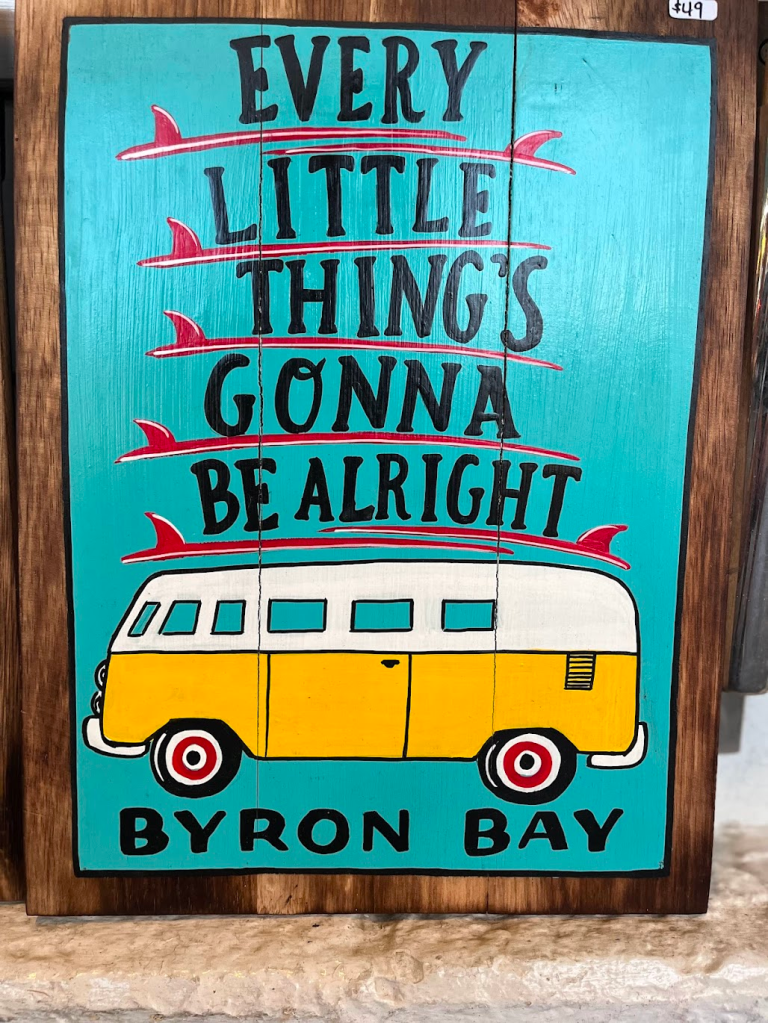
Everything is gonna be alright. Bob Marley

Welcome to Byron Bay, Australia’s haven of New Age charm. A place of healing and spiritual inspiration for thousands of years, it continues to be famous for its alternative and holistic lifestyle. A magnet for surfers, hippies, new agers, and the well-to-do alike. And then there’s me.

I’m a bit of a skeptic when it comes to New Age stuff. Sure, I’ll read my horoscope, but don’t count on me to take it seriously (unless it’s predicting good news!). I might entertain the idea of a good omen, but I kicked out that little lizard from my shower the other day, even if it supposedly symbolized good luck (I prefer my showers lizard-free). I tried a crystal healing session at the local hair salon: yoga mats, candles, and flashing colourful lights. But all I got out of it was a sore back and a chuckle from hearing one lady scream “Cockroach!” during our guided stillness, disrupting the whole energy flow. And just the other night after work, as I sat on the beach tired, a young man approached me, offering to practice sound healing. Though the thought of him swiping my wallet while my eyes were closed did cross my mind, I couldn’t deny the soothing mix of ocean sounds, the evening sun, and the resonance of the crystal bowl. Still, I didn’t buy into it. A can of coke probably would’ve given me the same kind of joy and energy.
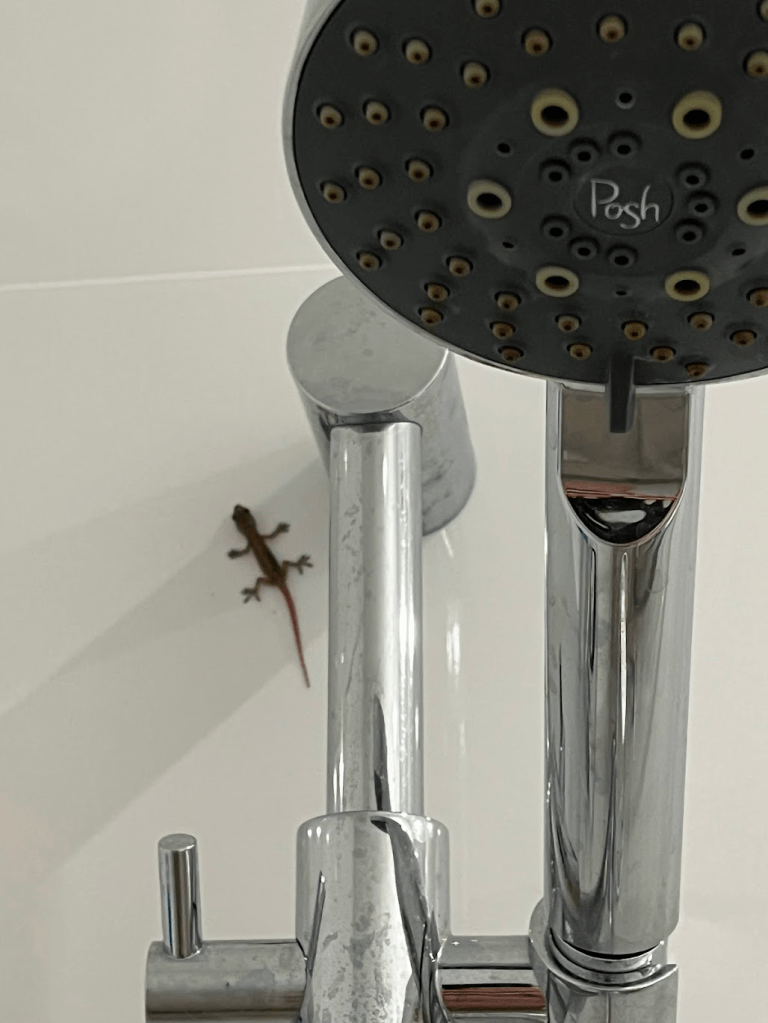
The lizard, a sign of being refreshed

I don’t dislike it. I just don’t buy it.

Yet here I am, at the Crystal Palace, the spiritual getaway in the Hinterland Heaven of Byron Bay, ready to be healed.
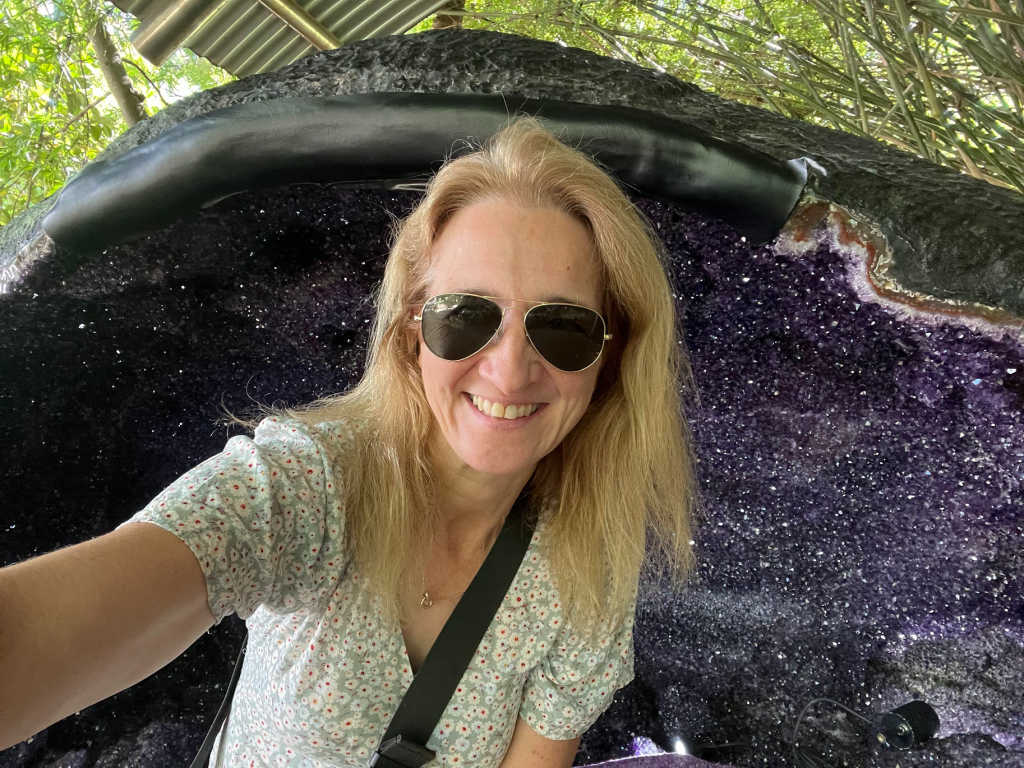
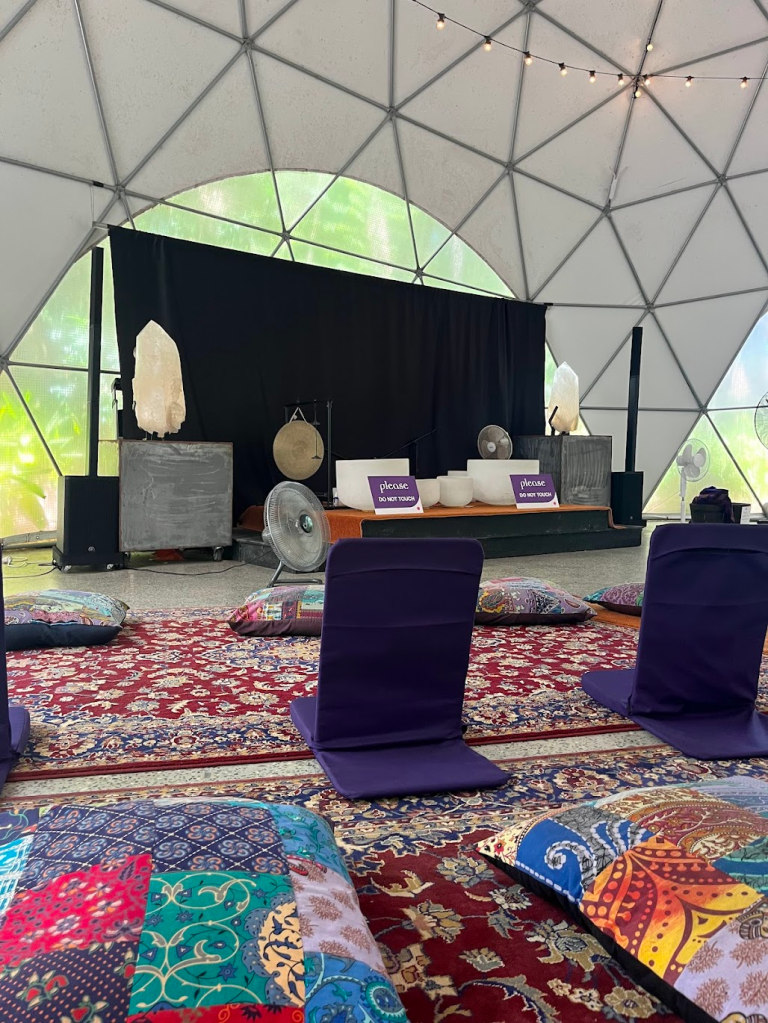
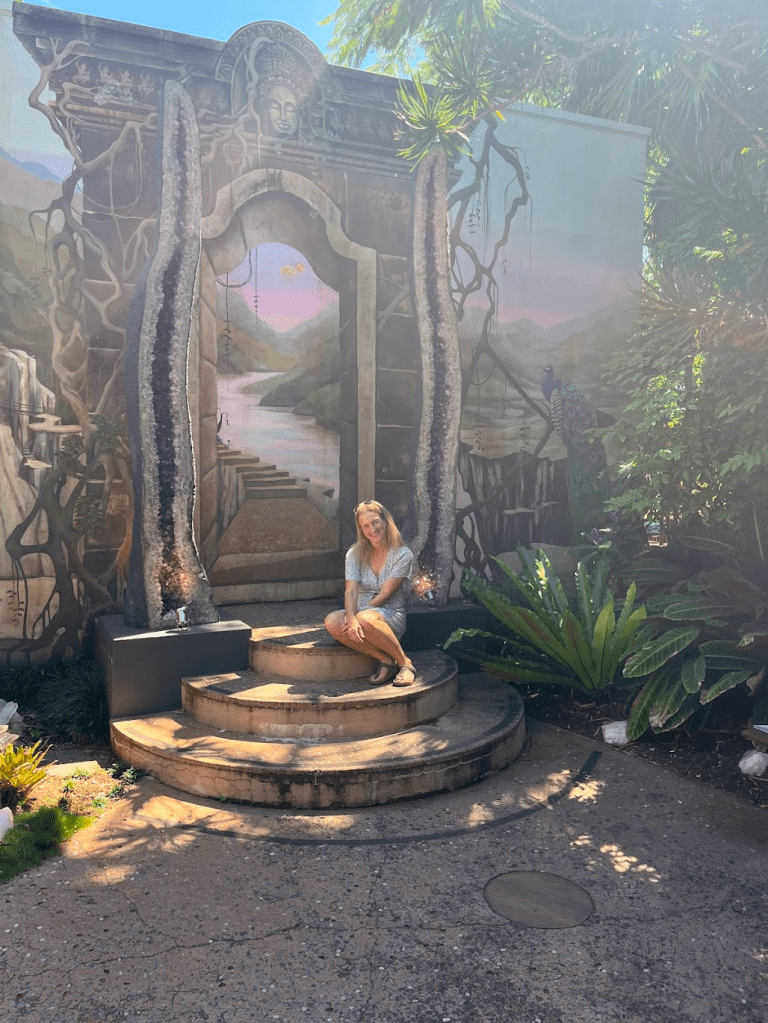
Me sitting in the Draghon’s Egg, ready to be healed

It’s a hot Saturday morning – hard to believe it’s the beginning of autumn. Deep blue skies, bright sun, and a gentle breeze rustling the lush rainforest leaves around me. I decided to escape the drama of work and life in Sydney for a weekend getaway to Byron, prompted by a friend who suggested that going to Byron would bring instant relaxation and chill.

Except, well, it didn’t quite do it for me. Maybe my expectations were off. Maybe I had envisioned something different. Or maybe I was just disappointed not to bump into Chris Hemsworth, aka Thor, at the local health store.

Don’t get me wrong—this place is stunning. The endless stretches of white beach, the crystal clear ocean, and the iconic lighthouse perched over the Bay. The shops, cafés, and wellness centers. Musicians serenading you at every corner, struggling to be heard over the chatter of people and the cacophony of birdsong. Byron Bay is camper vans, and picnic blankets, bare feet and surfboards, with the sweet scent of weed lingering in the air. It’s breathtaking sunsets by the beach and sunrise vistas at the lighthouse. It’s lively, liquid, and loads of fun. It’s just a bit much for me.
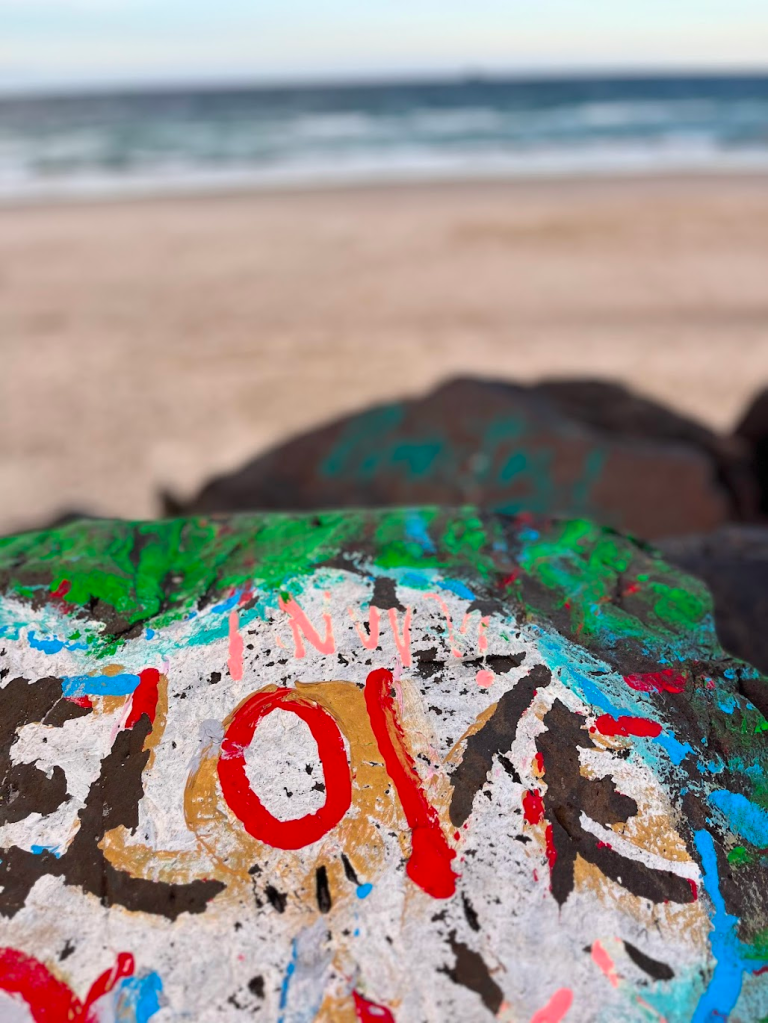
Main Beach Byron Bay

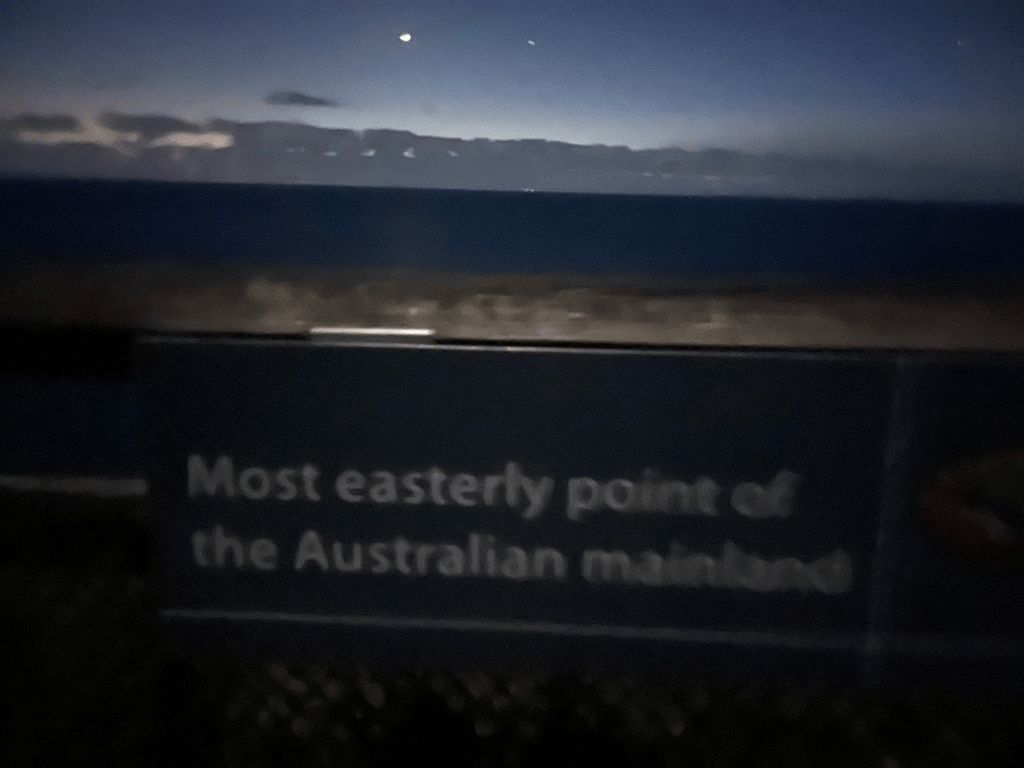
Which is why, on my first evening, I retreated to my cozy Airbnb rather early. I set my alarm for 4:30 am to hike up to the lighthouse at dawn, well before the surfers, hippies, and linen-clad riches would descend upon it. Or so I hoped.
“Cheer Up, Slow Down, Chill Out!”

Now, I’ve done my fair share of foolish and naive things while exploring this beautiful country. Like getting lost during a bush walk behind my school, losing both my sense of direction and phone reception. Or posing for selfies with a poisonous snake in the school playground. Or mistaking deadly box jellyfish for laundry pods (no, I didn’t put them in the washing machine).

And now, hiking through the rainforest to the Byron Bay lighthouse in the dark.
Most easterly point of Australia (in the dark)

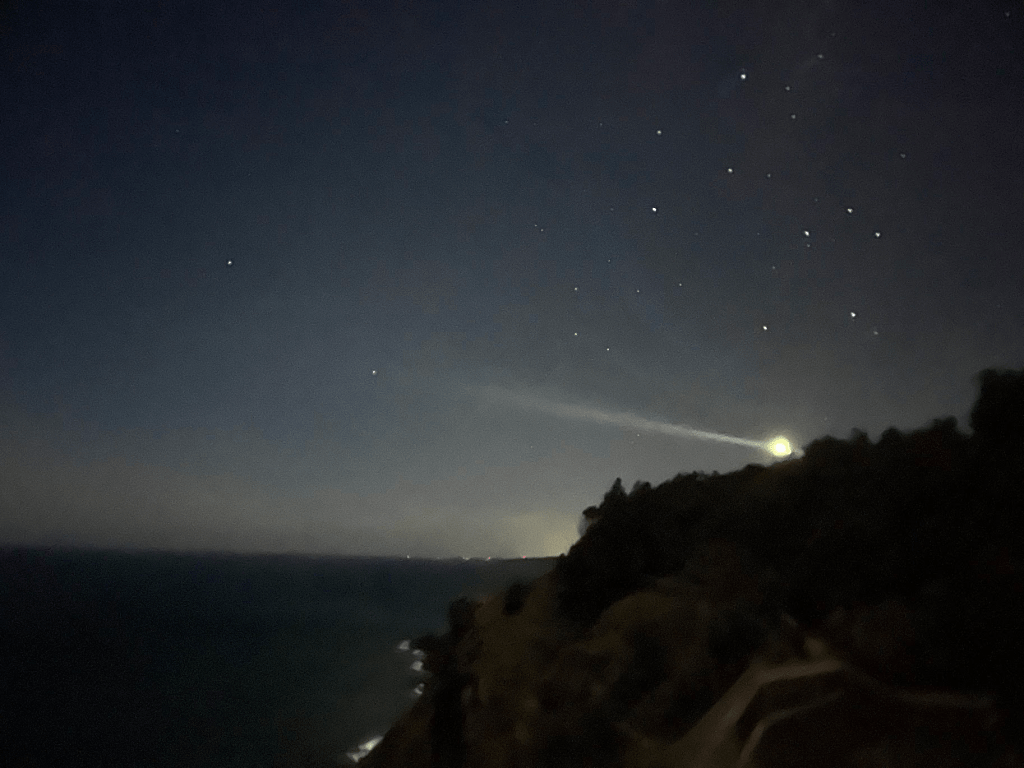
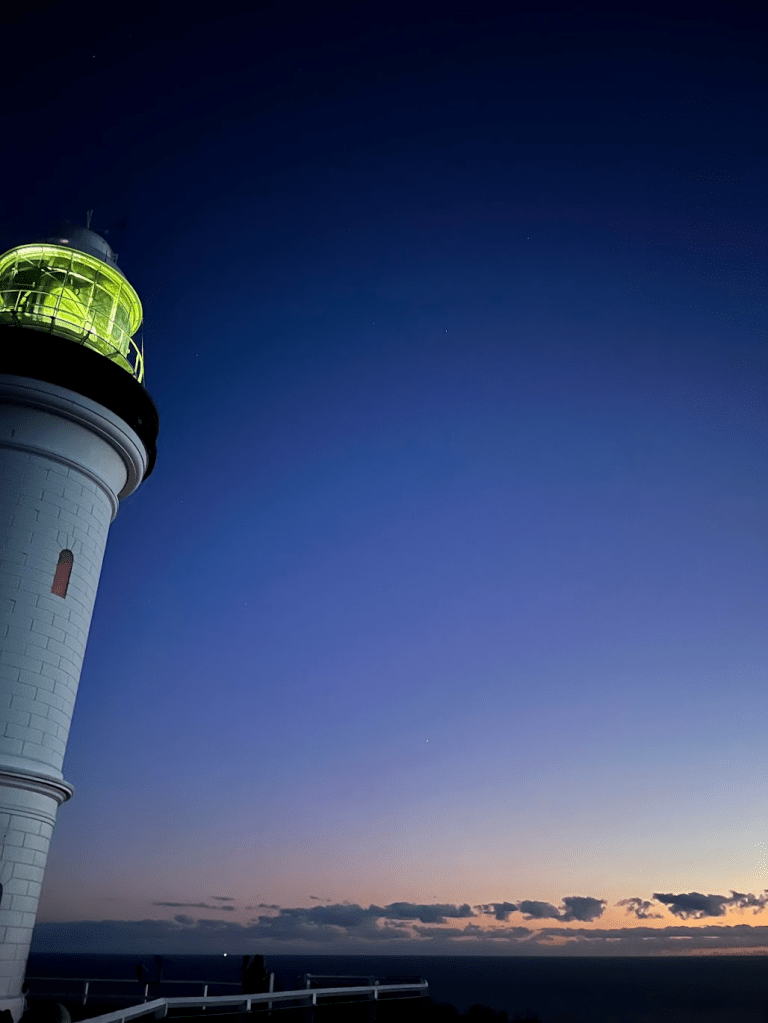
Again, not entirely sure what I was thinking—things can be pretty eerie before dawn. Especially in an unfamiliar, dense rainforest. But there I was, wide-eyed and bushy-tailed, determined to witness the sunrise from the top of the lighthouse. Armed with my iPhone torch and GPS, I navigated through the pitch-black, until I finally found the trail. Or better – the trail found me. Fell right over the first step (of what felt like a hundred) leading up the hill. Face planted and momentarily overcome by a sense of profound aloneness – a feeling that lingered throughout the day. Brushing off the blood and tears, I picked myself up and climbed the staircase towards heaven. Above me, only the dark night sky and stars; around me, the soothing sounds of ocean waves, the occasional guiding light of the Byron Bay Lighthouse – a beacon of hope for ships and lost souls like mine since 1901. As I walked the path, my senses heightened, I savoured the occasional song of cicadas, the distant thump of a wallaby (I hoped), and it was beautiful. So quiet and serene. Just me – alone but not lonely, solitary but not lost.
Beacon of Hope – the Byron Bay Lighthouse

Until, after an hour’s trek, I reached the lighthouse, only to be greeted by a boisterous group of youthful travellers, louder than the sunset birds from the night before. I stayed for a while, marvelling at the dreamlike atmosphere of the lighthouse bathed in the glow of twilight. The closer we got to sunrise, the more people arrived, eager to be part of the spectacle. And so, I left before the sun had a chance to peek above the horizon – I knew it would be fine without me watching. Descending the hill, against the incoming tide of people, I felt oddly liberated and free. Finally, the promised relaxation and chill had reached me.

Next stop: The Crystal Palace. Still in a zen state, I was curious to visit this mysterious place. The idea of leaving behind the bustling hubbub of Byron and retreating to the pastoral lands of the Hinterland appealed to me. Rolling hills covered in macadamia plantations, rumoured to hide numerous cannabis plots. Landscapes reminiscent of rural Ireland, perhaps Tuscany, or even La Provence. Cows, brought over from Europe, grazing peacefully on the land that not too long ago was covered by rainforest and eucalyptus trees.

Turned out, the cows weren’t the only imports from distant lands. Arriving at The Crystal Palace – a private botanical sanctuary and ethereal haven cultivated over four decades by the adventurous Naren King – I encountered a multitude of crystals, including the world’s tallest crystal geode, the Guardian. Towering over five meters and weighing 20 tonnes, it took three massive trucks, two cranes, and a considerable investment of energy and capital to transport these natural monuments from Uruguay, South America, to Mullumbimby, Australia. The owner of The Palace and visionary behind all things crystal, deemed them “beacons of hope” and “human charging stations imbued with immensely powerful energies, ready to rejuvenate anyone standing in their midst.” A lot of energy wasted to give energy, if you asked me. For me it was more likely the caramel slice at the nearby Lotus café that did the trick. But as I said – I’m a skeptic.
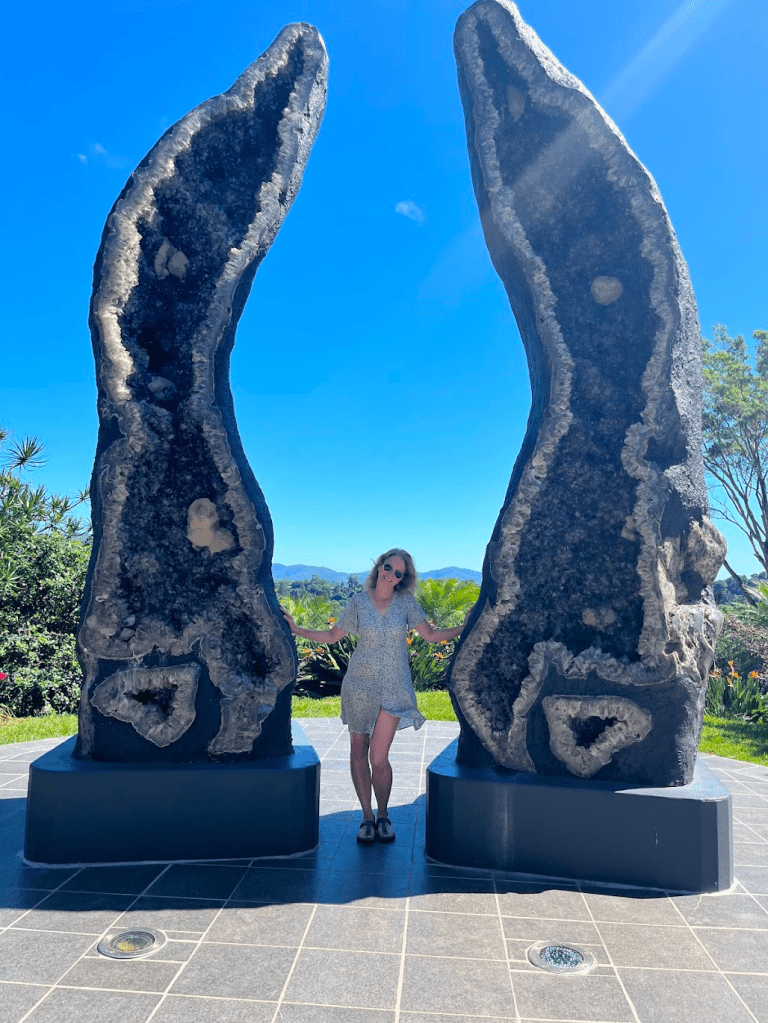
The Guardians at Crystal Palace

What truly revitalized me and gave me a sense of peace, however, were the Shambhala Gardens themselves. And the lack of visitors. I enjoyed a peaceful rainforest stroll and visited the Wishing Tree. I sat with the gods Garuda and Vishnu in the Bamboo Avenue and received a crystal blessing nestled within the enchanting embrace of the Dragon’s Egg.

Bamboo Avenue at Shambhala Gardens

As the hot Saturday morning unfolded, with its blue skies, hot autumn sun, and balmy breeze rustling through the rainforest leaves, I found myself sitting in the stifling heat of the white plastic Peace Dome, experiencing my first proper Crystal Sound Healing Meditation. The resonant tones of the Crystal Singing Bowls filled the air and me, bringing with them relaxation, inner peace, and introspection. Or perhaps I simply dozed off, exhausted from my early-morning adventures. Nevertheless, for the first time since arriving in Byron, I felt a sense of inner calm. Refreshed and rejuvenated…and ravenous!
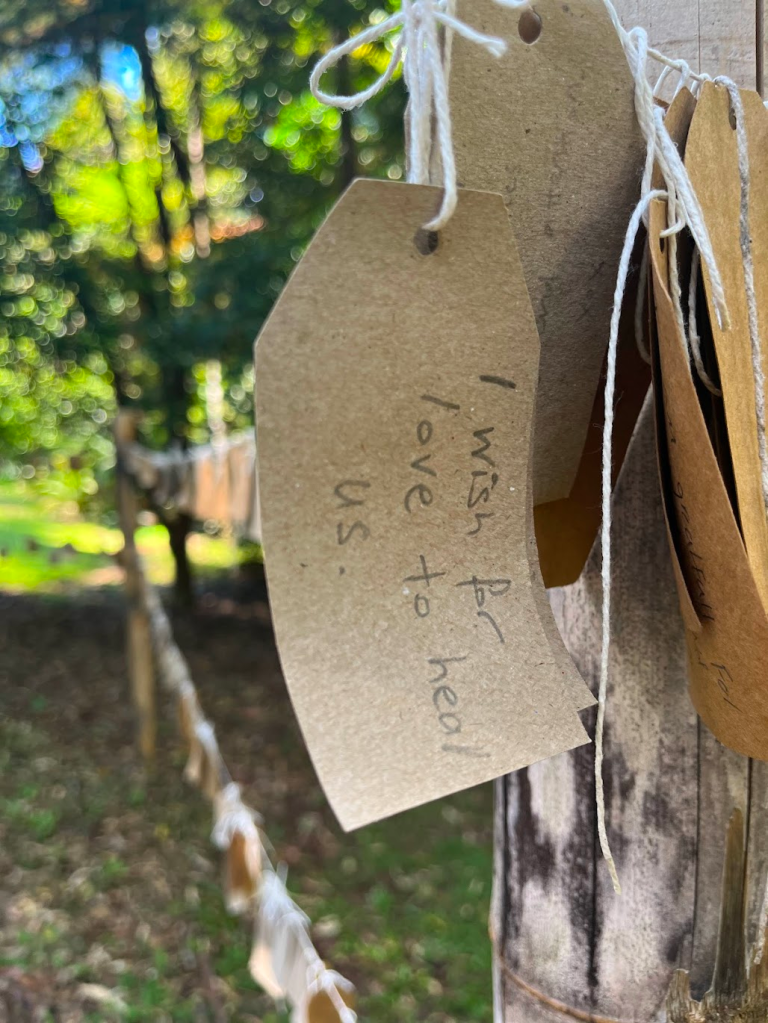
Gratitude Tree
Back in Middle Earth
Crystal Bowl Sound Healing

I was ready for some farm-to-table fare from one of Byron’s local farms. Ready for a delicious meal at The Harvest Restaurant. Ready to “Cheer Up, Slow Down, Chill Out!” as Byron’s motto prompts. And who knew, perhaps Chris’s brother Liam would drop by for dinner as well. Peace out, Byron! And bon appétit!
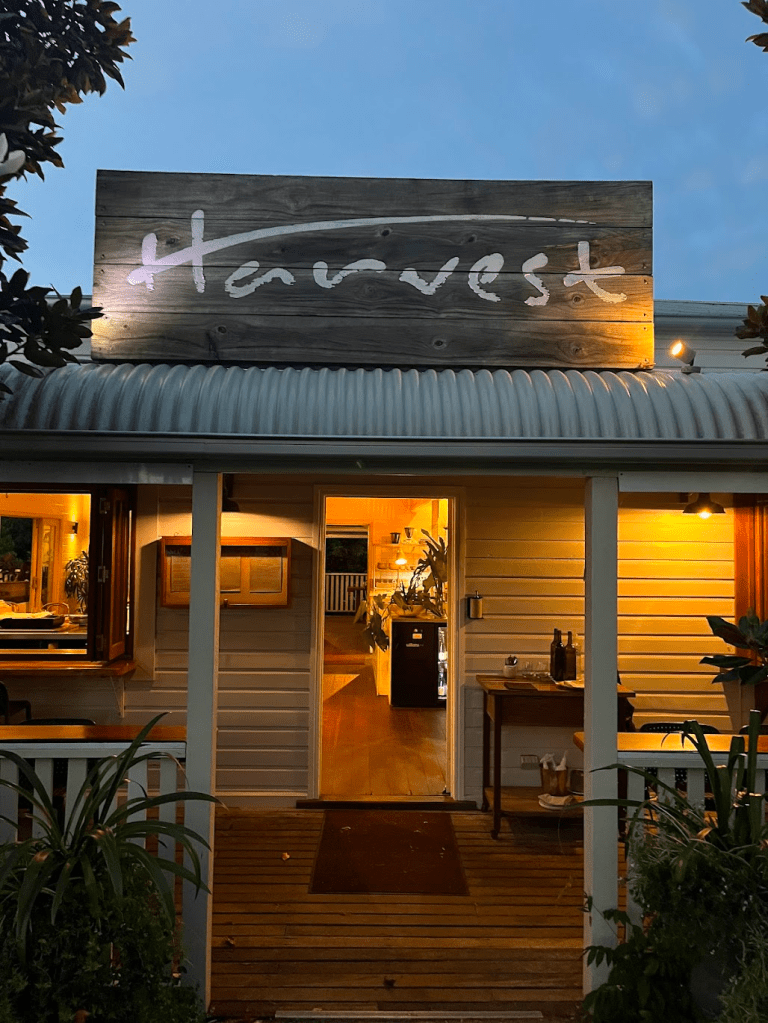
Dinner with one of the Hemsworth Brothers

Just Beach

I never came to the beach or stood by the ocean
I never sat by the shore under the sun with my feet in the sand
But you brought me here, and I’m happy that you did
‘Cause now I’m as free as birds catching the wind

I always thought I would sink, so I never swam
I never went boatin’, don’t get how they are floatin’
And sometimes I get so scared of what I can’t understand

But here I am
Next to you
The sky is more blue
In Malibu

We watched the sun go down as we were walking
I’d spend the rest of my life just standing here talking
You would explain the current, as I just smile
Hoping I just stay the same and nothing will change
And it’ll be us, just for a while
Do we even exist?
That’s when I make the wish
To swim away with the fish

Is it supposed to be this hot all summer long?
I never would’ve believed you
If three years ago you told me
I’d be here writing this song

But here I am
Next to you
The sky is so blue

Malibu. Miley Cyrus

(Caution: This work contains depictions of excessive beauty and gorgeous imagery. For those who dislike such content or have a weak heart, please be advised.)

I remember the first time I saw the beach. 

July 2019, and I had just arrived in Sydney – full of preconceived ideas and beliefs. Among them, the certainty that I would not like the beach. Never much of an ocean lover, I had decided to live close to my school in the lush, family-friendly suburb of Terrey Hills – only to realize, very quickly, that there wasn’t much going on after 5 pm.

Warriewood Beach July 2019

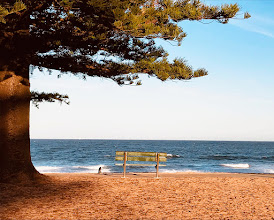
And so, only four days later, I moved to Newport Beach, one of the Northern Beaches, and never left. Fell in love with the golden-red sand, the ever-changing surf, and my green bench. For the next three years, I explored the beaches close to me: hiking the lighthouse trail in Palm Beach, seeing the Sculptures in Bondi, running along the Northern Beaches from Dee Why to Manly, celebrating my first true Australian Christmas with my family in Freshie, learned to surf in Manly.

I did not like the beach. I loved it.

Newport Beach
Freshwater Beach
Palm Beach

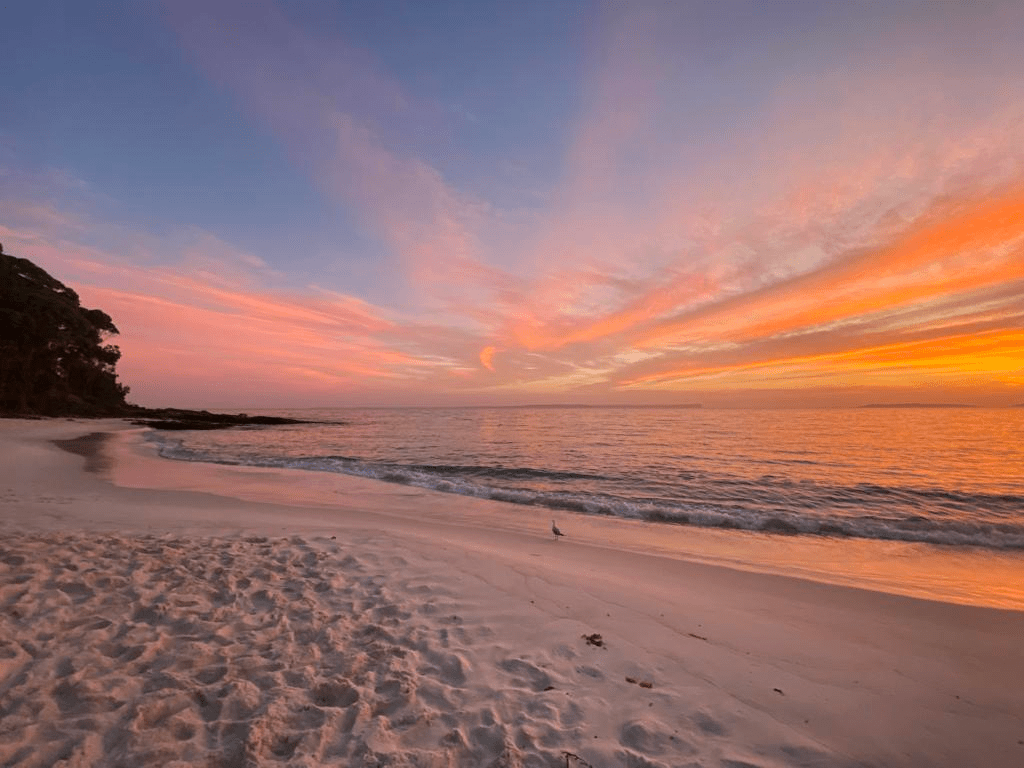
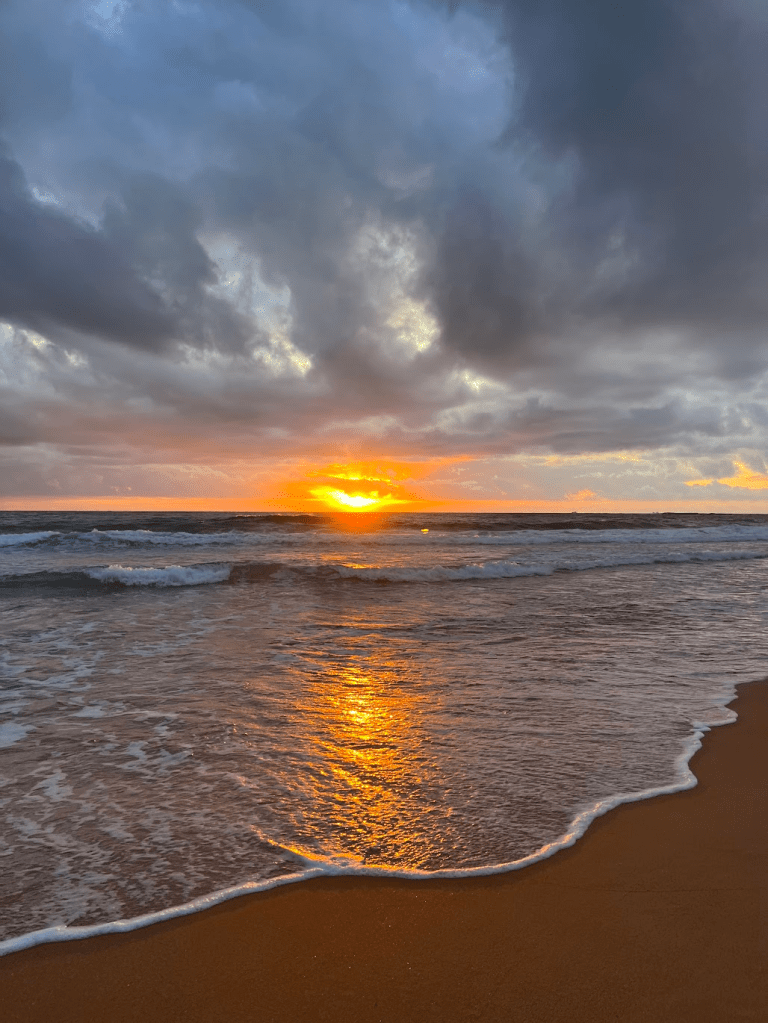
Fast-forward to last weekend, the early Sunday morning ablaze with the rising sun painting the sky in hues of orange. Stirred by the spectacle, I leaped out of bed in my Airbnb, hastily dressing as I dashed out the door toward the nearby beach, my gaze fixated on the radiant orange clouds against the dark blue canvas. It felt as though averting my eyes, even for a moment, would cause the magic to vanish. Arriving at the beach, I saw others who had gathered to witness the impending sunrise. Among them, a group of young French girls, meticulously make-uped and engrossed in an endless stream of selfies. I couldn’t help but wonder about the fate of these captured moments – perhaps they all went into a virtual cloud somewhere. Then again, I realized I contributed my fair share to the “Sunrise Cloud” with my own collection of sunrise photos. “Forever that girl who revels in the beauty of a colourful sky” – that was me in a nutshell.

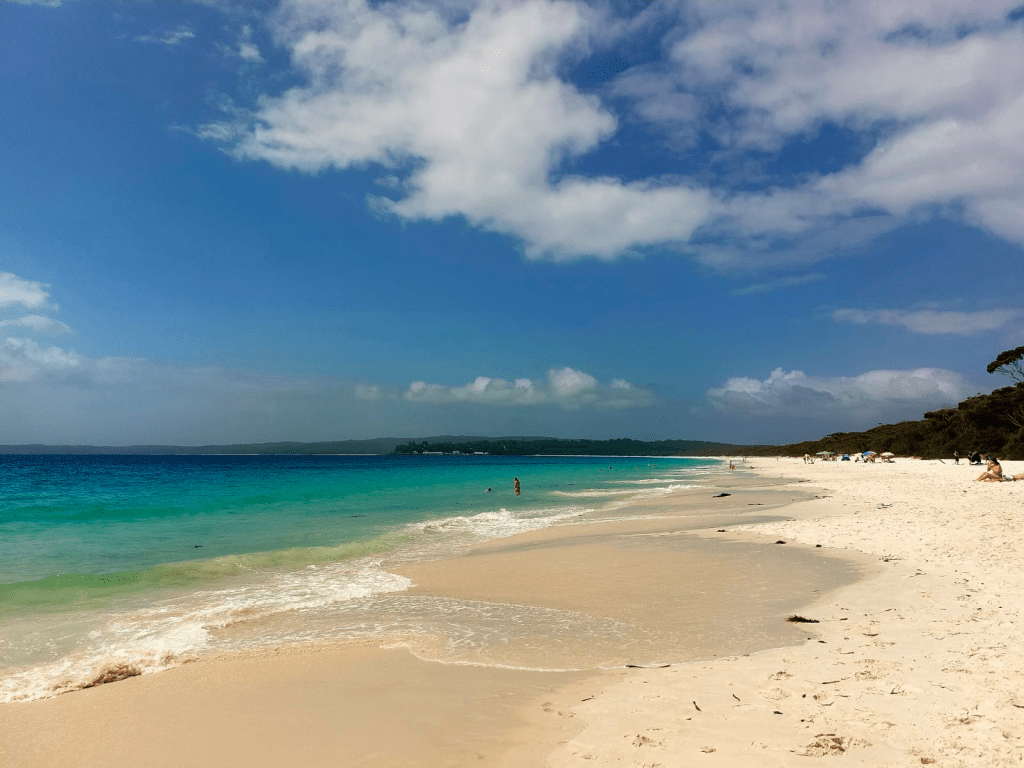
Sunrise at Hyam’s Beach

6:14 am and sunrise was only three minutes away, when all six cell phones of the girls next to us started ringing. Their mothers were calling, all the way from France, being face-timed into this beautiful moment of red and orange and gold. In the distance, two dolphins were making their way across the bay: “Les dauphins! Les dauphins!” the girls screamed into their phones, loud enough to be heard all the way to France. Ah, to be young again. Or alone, so we could enjoy this beautiful moment in peace. And only hear the squeaking of the sand beneath our feet.

Hyam’s Beach

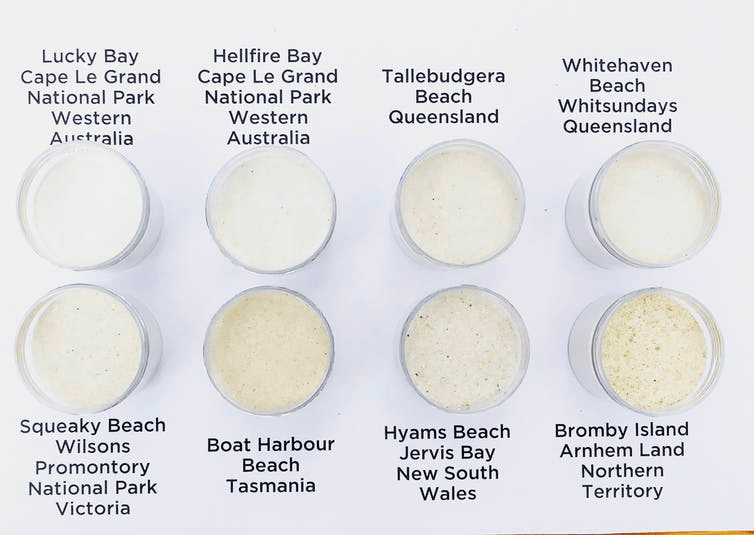
People come from all over the world to embrace Australia’s beautiful sandy beaches. Some are golden like the sun, others red like fire, and a few so white they almost look like clouds on the ground. Take Hyam’s Beach in Jervis Bay, for instance, ranked among the top 10 of the world’s 50 Best Beaches, where the sand, as fine as powder, emits a distinct squeak with every step. “In every grain of sand, there is a story of the earth,” they say.  7.5 sextillion sand grains on Earth. That is 75 followed by 17 zeros. That is a lot of grains of sand. And a lot of stories.

The whitest sand in Australia

I sent a photo of the white beach home to Canada. One of my sons asks about black-sand beaches and red-sand beaches. Funny he mentioned that, because Australia has a lot of beaches – more than any other country in the world. 11.761 to be exact. And they come in all shapes and colours. 

Newport Beach

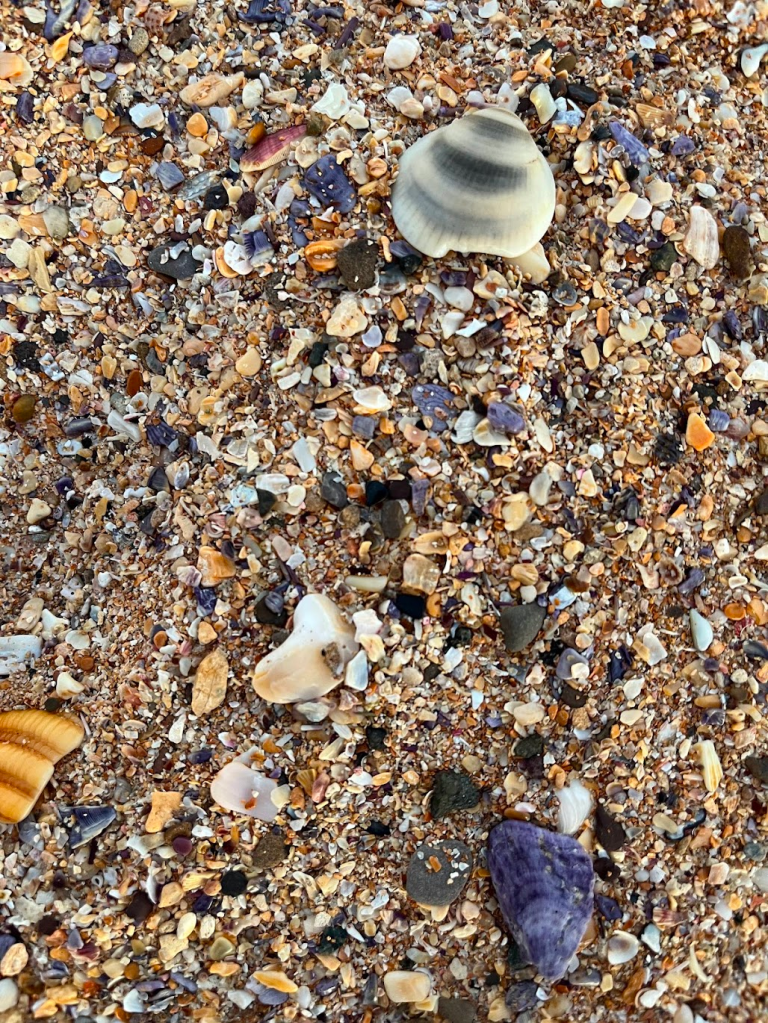
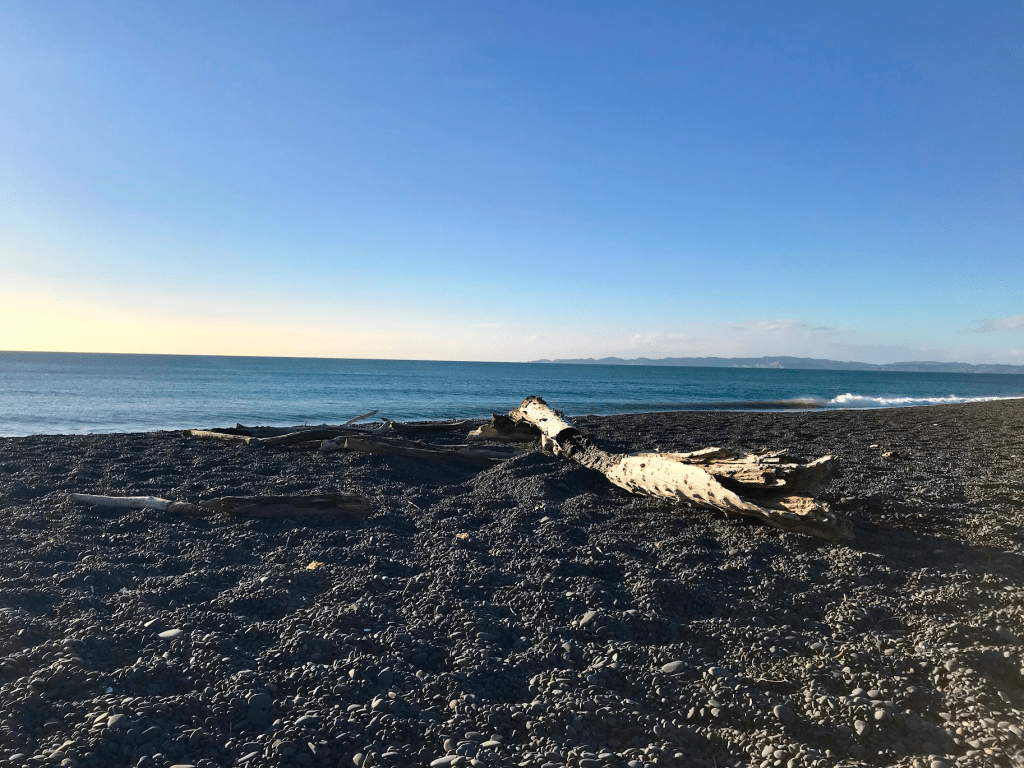
There are the golden reddish brown sands of Newport Beach, made up of quartz with a hint of iron. The tropical white beaches in Queensland consist of broken-down skeletons of coral and other marine life. The black beaches on the west coast of New Zealand’s North Island, a mix of red and black volcanic rock.

Newport Beach
Hawke’s Bay NZ
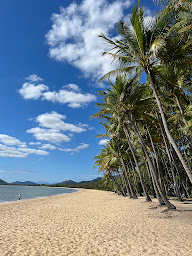
Palm Cove, QL

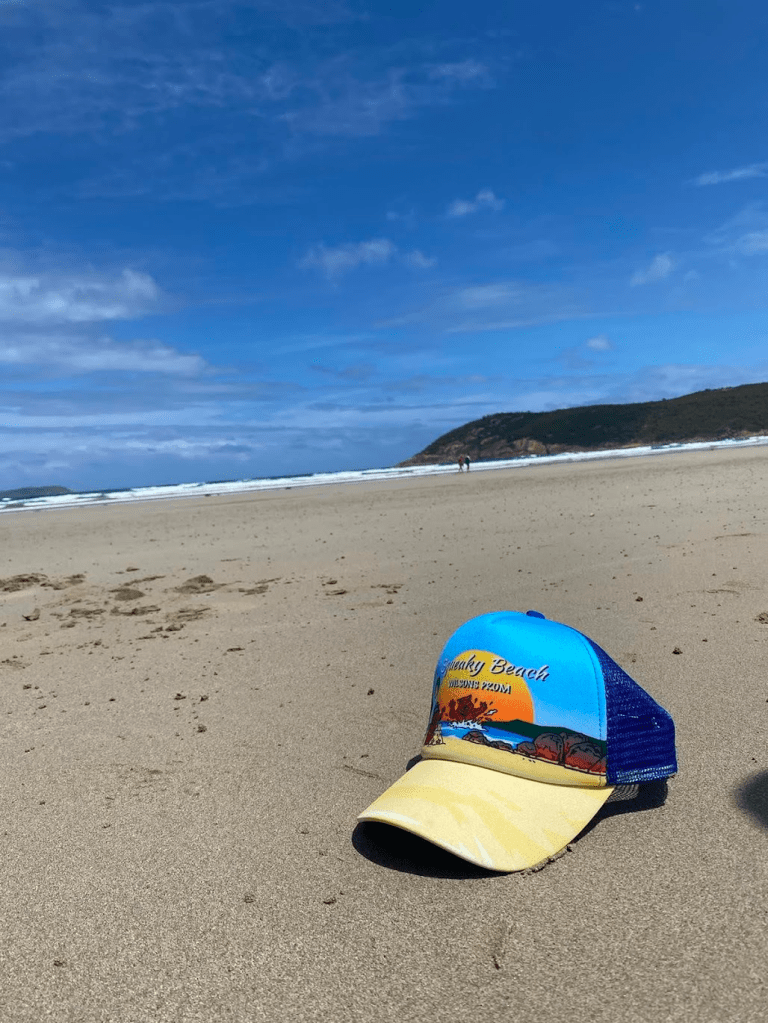
Of the multitude of beaches adorning Australia’s shores, I’ve only had the pleasure of visiting a handful. The iconic Bondi Beach, expensive and full of tourists.  Squeaky Beach at Wilson’s Promontory in Victoria, voted Australia’s best beach in 2024. The golden sands of Noosa in Queensland. The unique shape of Wineglass Bay in Tasmania. And Palm Cove Beach at the Great Barrier Reef with its tropical feel to it.

Squeaky Beach 2023

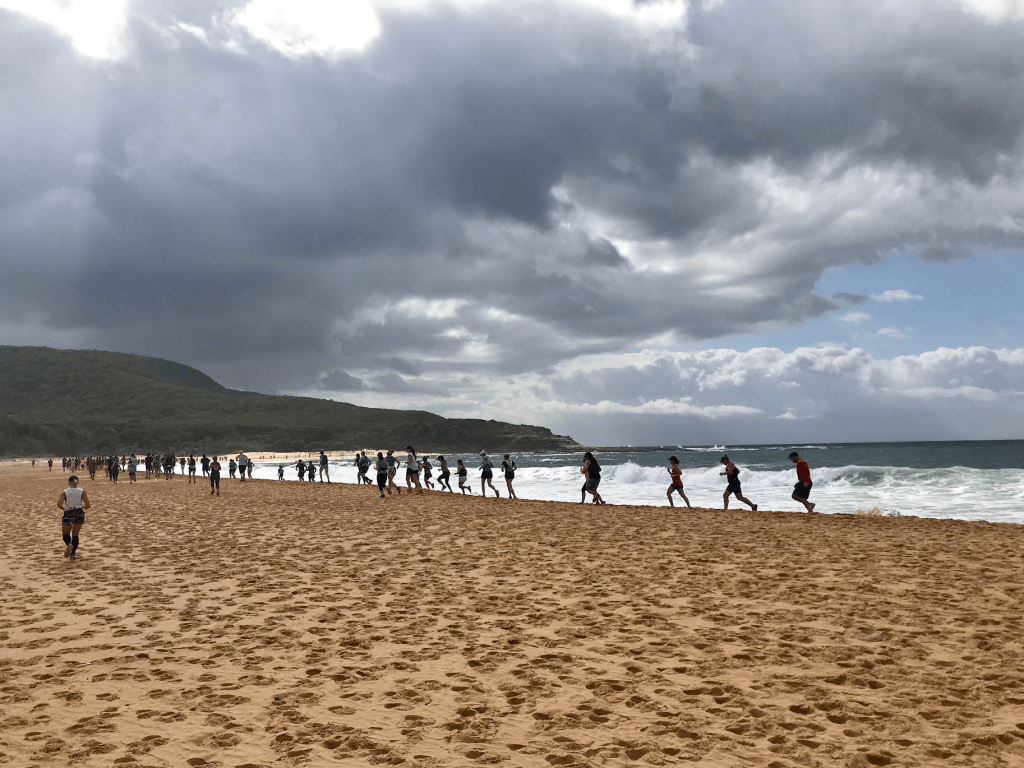
I remember taking my students to the beach for Afternoon Activities,  running along Killcare Beach at Bouddie National Park for the hardest run I had ever done; the roughness and unspoiled beach of The Edge of the World in Tasmania. If I count all the beaches I have visited during my time here in Australia, I may have seen about 30 or 40. Australia has over 10,000 beaches in total. To see them all, I would have to visit one per day for the next 32 years. Let me quit my job and get right on it. 

Bay of Fires TAS
Bouddie NP
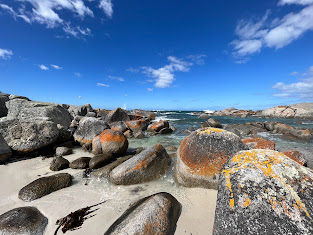
Edge of the World TAS

Over the holidays, I watched the movie “The Beach.” Remember Leonardo DiCaprio, young and full of life? He plays Richard, an American tourist searching for meaning by escaping modern technology. During his vacation in Thailand, he meets a lovely French girl and receives a treasure map from a troubled expatriate. Together, they embark on a journey to a secluded paradise on a nearby island. But soon, their ideal life is shattered as conflicts arise, and they realize paradise isn’t free from problems.

Paradise isn’t just a place; it’s a feeling of connection. Take my beloved Newport Beach, for instance. It’s made up of countless unique grains of sand, each as distinct as a snowflake. Sand forms over millions of years as rocks weather and erode, travelling thousands of miles down rivers and streams before reaching the beach. Here, each grain finds its purpose as part of a larger whole. Even the smallest contribution, like the squeaky sounds of sand on Hyam’s Beach, adds to the beach’s charm. It’s a reminder that when we all work together, amazing things can happen. And that’s why I’ll always remember the squeaky beach.

Hyam’s Beach

Every morning, as I leave my small white granny flat at dawn to catch the bus to school, I always make sure to stop at the beach along the way. Sometimes, I pause to admire the view, perhaps even snapping a photo. I’ve made a promise to myself: the day I stop noticing this beauty around me, it’ll be time for me to move on.

Morning routine Newport Beach

Returning to school after the holidays has been tough. There have been many changes and disappointments, and it feels like we’ve lost sight of our common goals, with everyone focusing on their own tasks. I’ve also realized that I no longer take the time to stop at the beach in the morning. Caught up in my daily routine and worries, I’ve begun to take it for granted. I’ve started defining myself and my life solely through my job as a teacher. But perhaps I should take a page from Ken’s advice in the movie Barbie:

“You know, surfer is not even my job. And it is not lifeguard. Which is a common misconception. It’s actually my job … it’s just beach.”

Beach on!

Thoughts from the Bathtub

I cast my pebble onto the shore of Eternity.
To be washed by the Ocean of time.
It has shape, form, and substance.
It is me.
One day I will be no more.
But my pebble will remain here.
On the shore of eternity.
Mute witness from the aeons.
That today I came and stood
At the edge of the world.

Edge of the World by Brian Inder
The Edge of the World – Arthur River, Tasmania

I’m in the bathtub. Which is quite unusual as I don’t do bathtubs really. Too hot, too cold, too boring. I like the idea of it, but I never last longer than a few minutes. Restless by nature, I’m out before the bubbles have disappeared.

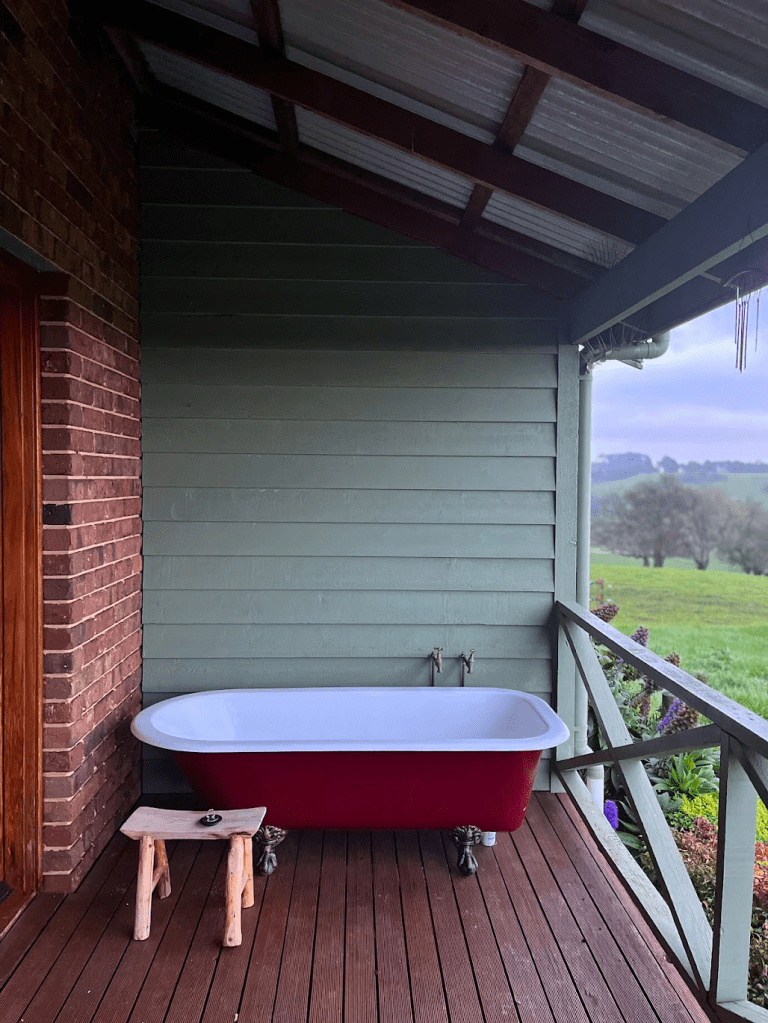
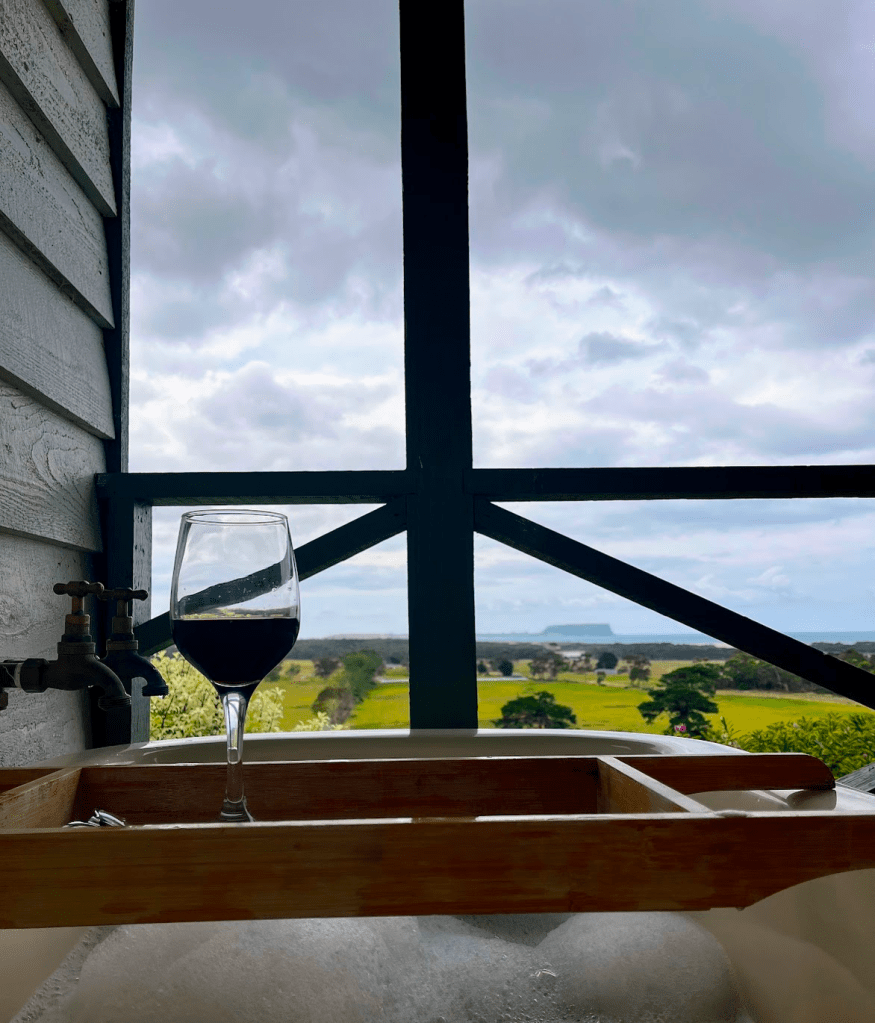
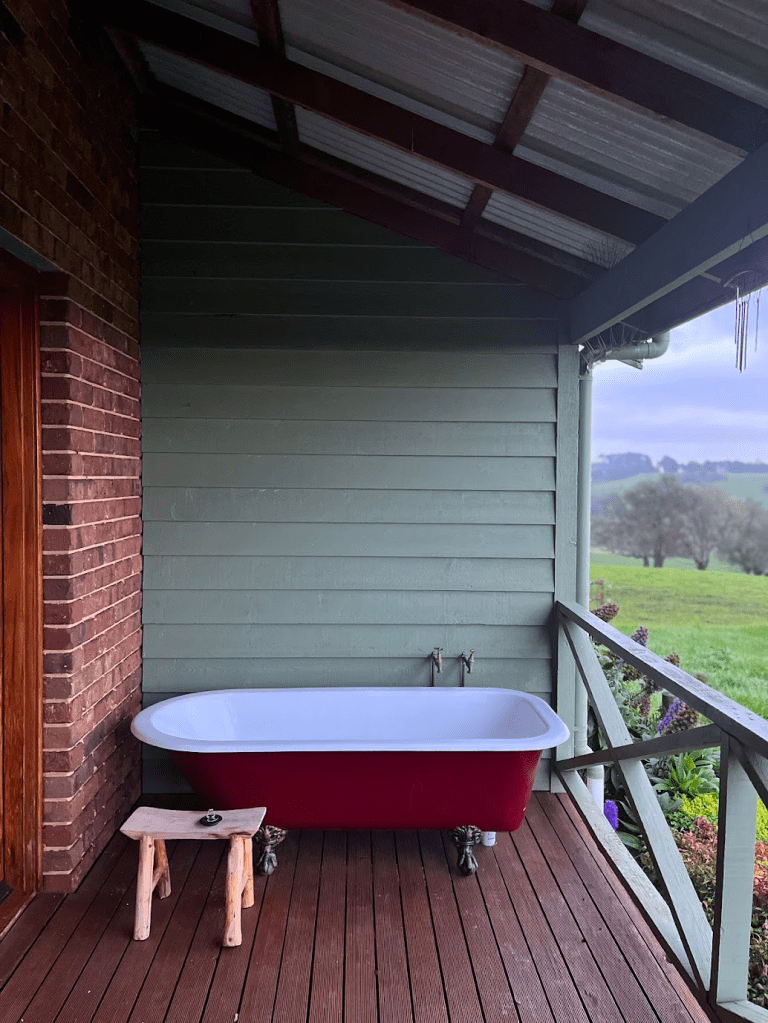
I’m in the bathtub. Not just any bathtub! But one of the best bathtub that I’ve ever been in. A vintage claw-foot bath, red and white, the four golden claw feet strangely resembling the feet of the chicken roaming the grounds. Clean, hot and…on the verandah of our rental house in Black River, Tasmania. A soak with a view!

I’m in the bathtub. To ponder. To relax. To take in the last precious moment of my summer holidays. (It still feels strange to call it that in the month of January.)

Bathtub @ Mayura Farm, Black River, Tasmania

The Mayura Farm in Black River, Tasmania. Located in the north-west of the island, it is the second time that I am staying here in only a few months time. While I fell in love with all of this beautiful part of Australia the last time I came to do a circle tour of the island, it is this remote corner of Tasmania that appealed to me especially. Off the beaten path, away from tourists and big coach buses, the area is quiet and relaxed, even in the summer, even on the eve of a long weekend. Nothing but the wind, the cows, and my bathtub.

Cow

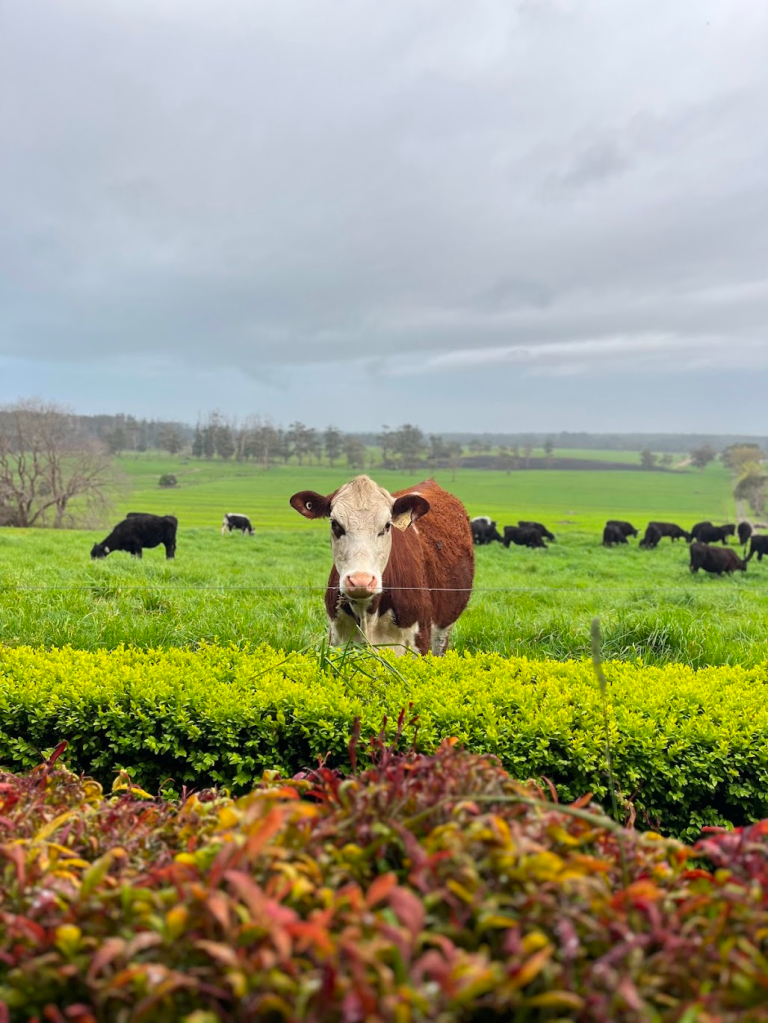
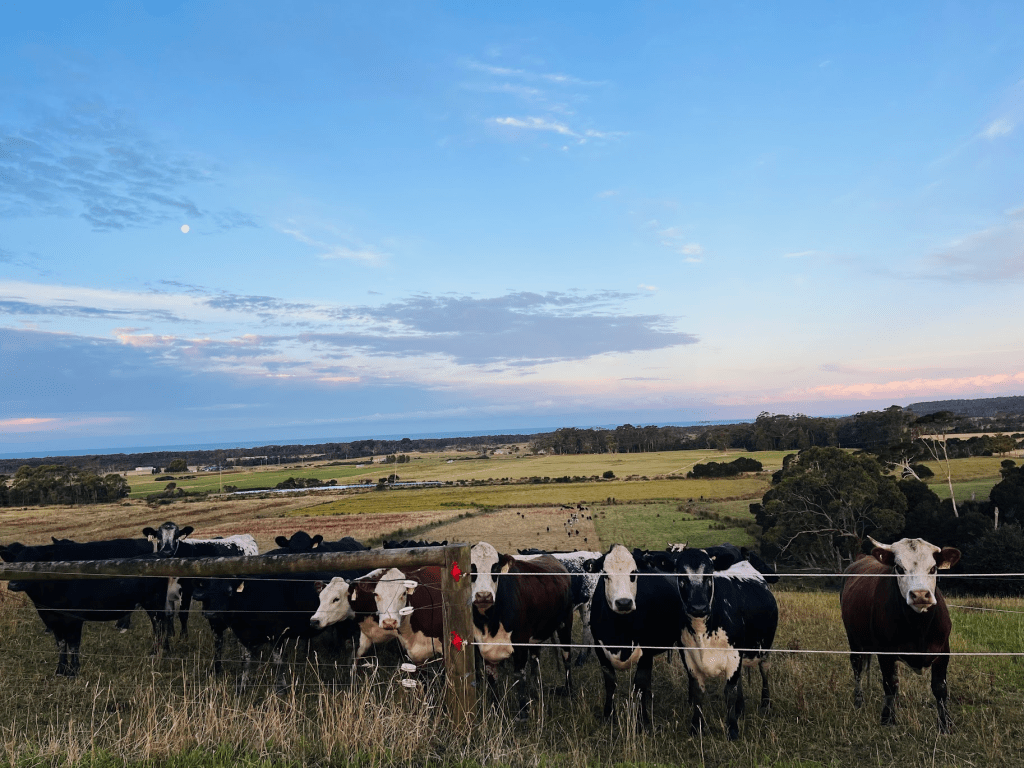
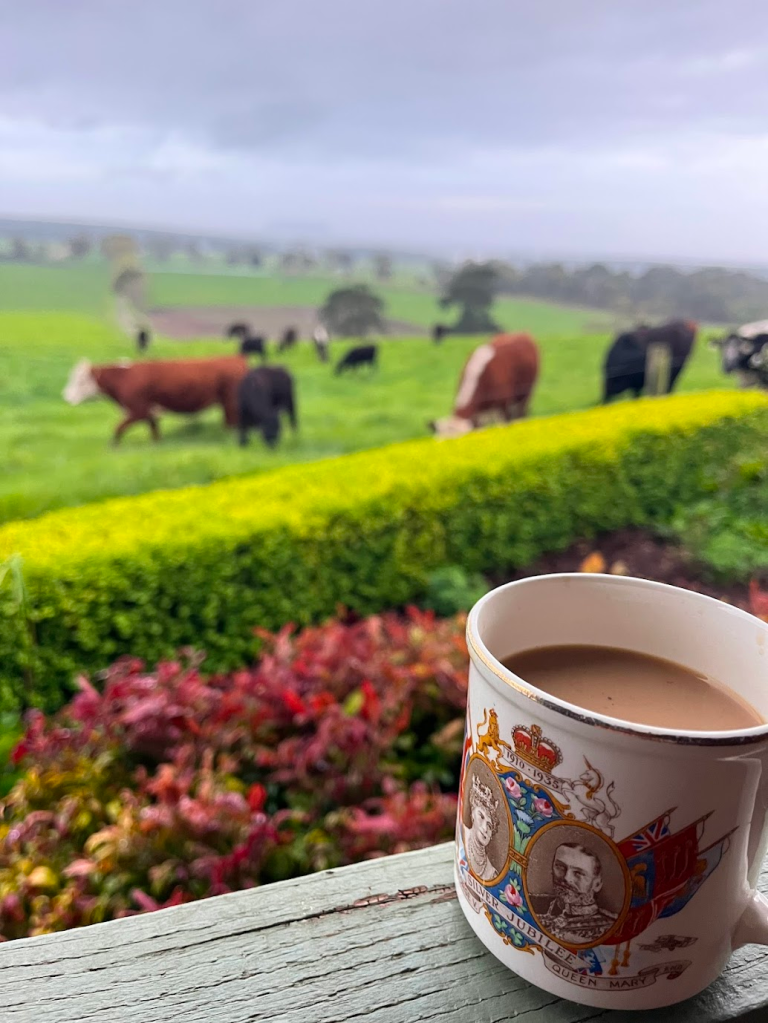
The cows. Huge herds of cattle wherever you look: black and brown, menacing-looking bulls and rambunctious calves. Beef cattle, dairy cows, and rustic Scottish Highland cattle with their long hair and even longer horns.

There are about 540,000 people living in Tasmania, one fifth of them here in the north-west, and 35 of them here in Black River. Compared to that, there are 800.000 cows on the entire island, about 300.000 in this part of Tasmania. That’s three cows per person here in the North West. Not to mention the 2.4 million sheep!

Good night moooooooon!

Our farm breeds Angus cattle – black, strong, and very intimidating. That I have not gone for a regular run in the evening, I excuse with the fact that these cows scare the s*** out of me. You walk past their pastures, eyes on the ground, quiet as a mouse, with only a thin electric fence between you, and I swear – they can smell your fear. One catches a glimpse of you, snorting and grunting, and starts walking towards the flimsy fence and me. Slowly but steadily, never ever taking its dark eyes off me. And then the next one follows. Ten more. Twenty. A whole stampede in slow-motion. I am sure the other 99 cows have no idea what they come running for, but they do. And so am I. Slowly backing up and getting back to my cottage and my bathtub as fast as I can.

The first record of black cattle imported into Australia was of 8 black cattle that were unloaded at the Hobart Town docks in Tasmania 200 years ago, on the 20th January 1824. After three months at sea, they brought with them meat, milk, and money making opportunities. But also a lot of problems: as cows are not native to this part of the world, there was no insect to break down the cow poo. But tons of bush flies that love to breed in it! This did not matter much when there were a few cows, or a few hundred, or even a few thousand. But there were real problems when there were over 20 million cows spread all over Australia, each pooing 10–12 times a day, and with every pat able to produce up to 3000 bush flies every two weeks. Bring in the dung beetle, to deal with the problem. What could possibly go wrong?
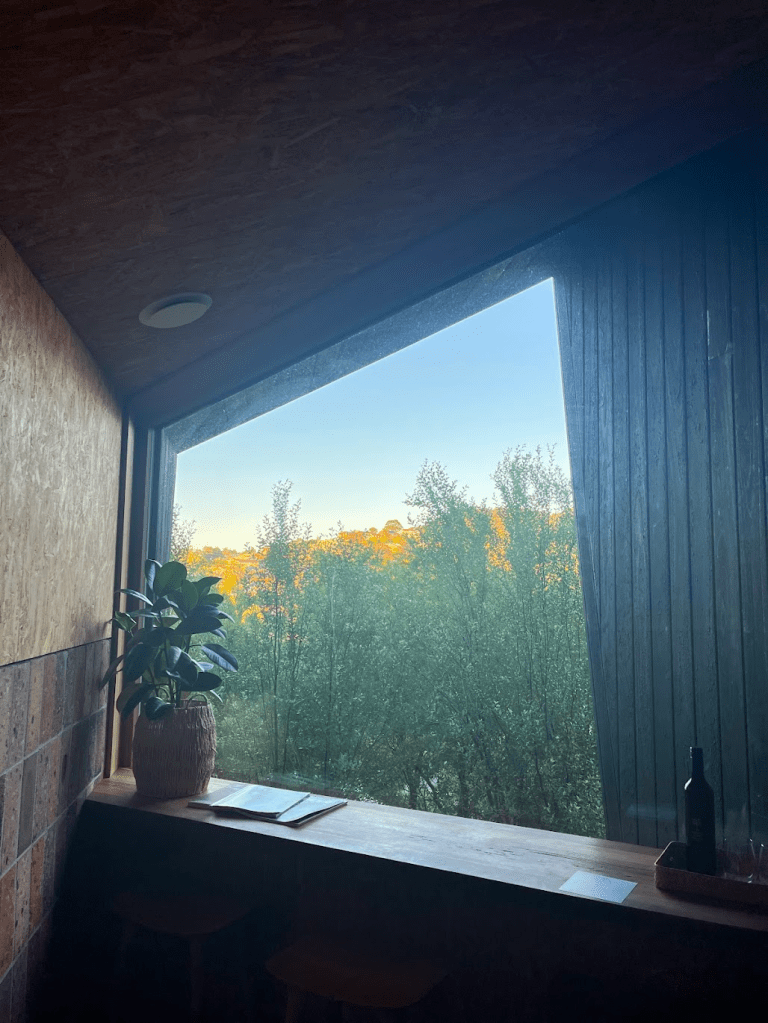
Former forests turned into farmland

Deforestation is an even bigger problem in Tasmania, as cows need space to graze. While I am sitting in my outdoor bathtub, overlooking the green farmland stretching all the way to the ocean shore in the distance, I try to imagine the former native Eucalyptus forest that once covered the entire island. Land clearing for livestock accounts for 75 per cent of forest lost, while native forestry logging is responsible for a further 16 per cent.

“Australia’s largest temperate rainforest is under threat! The Tarkine or takayna (as it is known to the Aboriginal people) in North West Tasmania, is one of the last strongholds for rare and endangered species. It is one million acres of wild country that harbours some of the richest Aboriginal heritage in Australia, and it needs protection.
A staggering 90% of this remarkable wilderness is under threat from logging, mining, and off-road vehicle damage. The Tasmanian government views it as a resource to be exploited, while to the people, it is a place of immense Aboriginal history and one of the last intact wilderness’s left on earth.” (https://wildark.org/journals/australias-largest-rainforest-under-threat/)

Roaring Forties on Stanley Nut

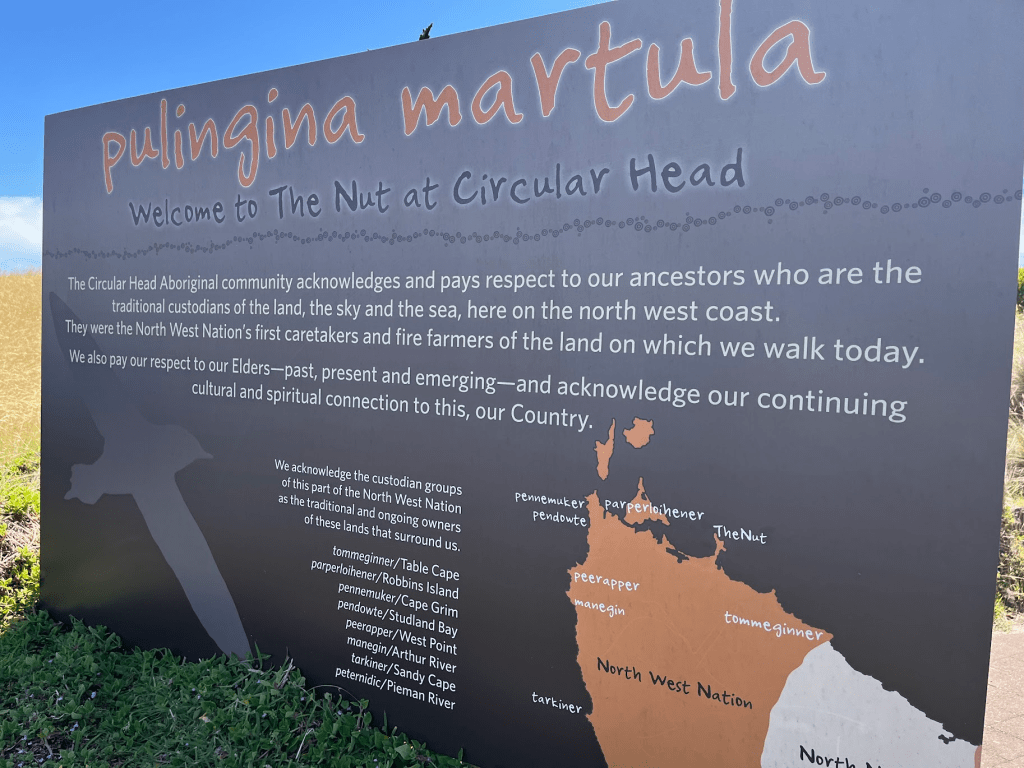
I take a sip of the wine that rest conveniently on a little bamboo tray across the tub (I don’t even want to know where that wood came from), to wash down the bitter taste in my mouth. My eyes focus on the big rock sitting in the ocean in the distance: Moo-Nut-Re-Ker in the Aboriginal language, or simply The Nut.

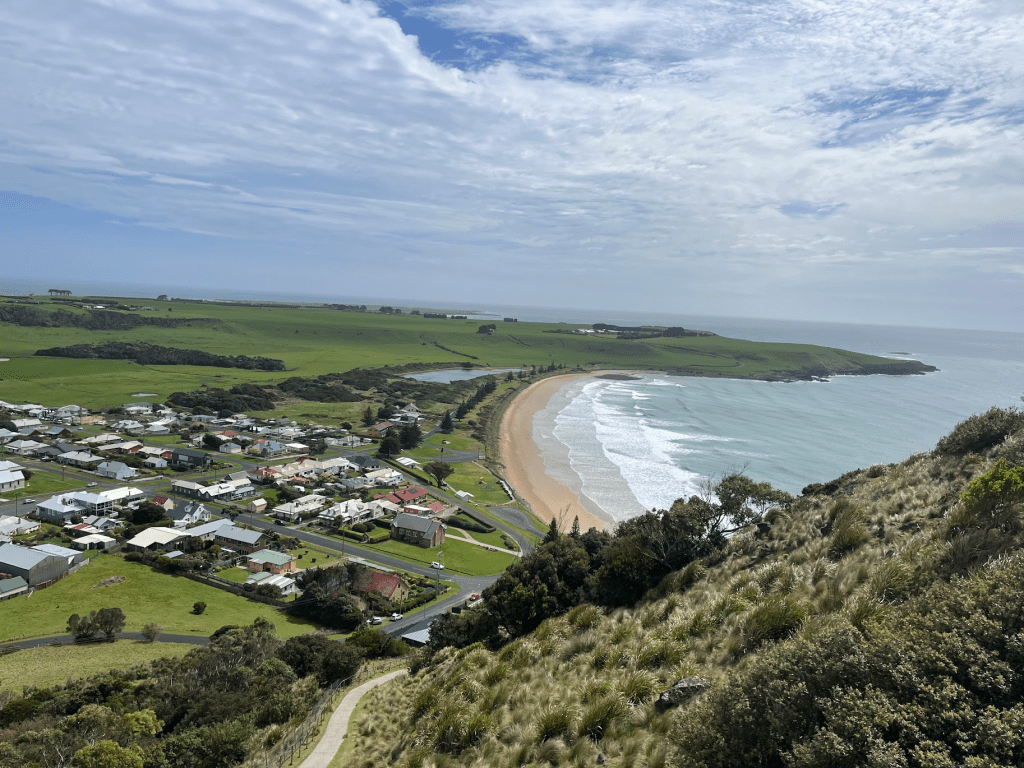
The shape of a giant bar of soap, the Nut is what is left of a volcano that was active 25-70 million years ago. Even the top of the Nut once had been cleared off trees to make room for grazing cows. Today, a gondola takes you up to the top of the plateau to enjoy the view of Stanley town and the white beaches reaching out into the ocean of the Bass Strait. At dusk, tiny fairy penguins waddle ashore, they say.

Godfrey’s Beach Stanley Nut

Sinking deeper into the warming bath water, I try to protect myself from the strong winds that rattle the wooden verandah my mini metal pool is sitting on: the Roaring Forties. Strong winds from the west that blow in this area most of the time. I close my eyes and in my mind I travel down the coastline: the Nut, Cape Grim – where in 1828 the Cape Grim massacre took place in which a group of Aboriginals gathering food were ambushed and shot by white workers, with the bodies of some of the victims then thrown from a 60-metre cliff.

“First arriving in Tasmania (then a peninsula of Australia) around 40,000 years ago, the ancestors of the Aboriginal Tasmanians (Tasmanian: Palawa or Pakana) were cut off from the Australian mainland by rising sea levels c. 6000 BC. They were entirely isolated from the rest of the human race for 8,000 years until European contact.

Before British colonization of Tasmania in 1803, there were an estimated 3,000–15,000 Palawa. The Palawa population suffered a drastic drop in numbers within three decades, so that by 1835 only some 400 full-blooded Tasmanian Aboriginal people survived, most of this remnant being incarcerated in camps where all but 47 died within the following 12 years. 

For much of the 20th century, the Tasmanian Aboriginal people were widely, and erroneously, thought of as being an extinct cultural and ethnic group. Contemporary figures for the number of people of Tasmanian Aboriginal descent vary according to the criteria used to determine this identity, ranging from 6,000 to over 23,00.(https://www.ourtasmania.com.au/northwest/history-aboriginal-tas.html

Tomorrow’s Australia Day is a holiday and marks the first landing of British ships on Australia’s shores over 200 years ago. A day of mourning and survival for many Australians.

The Stanley Nut

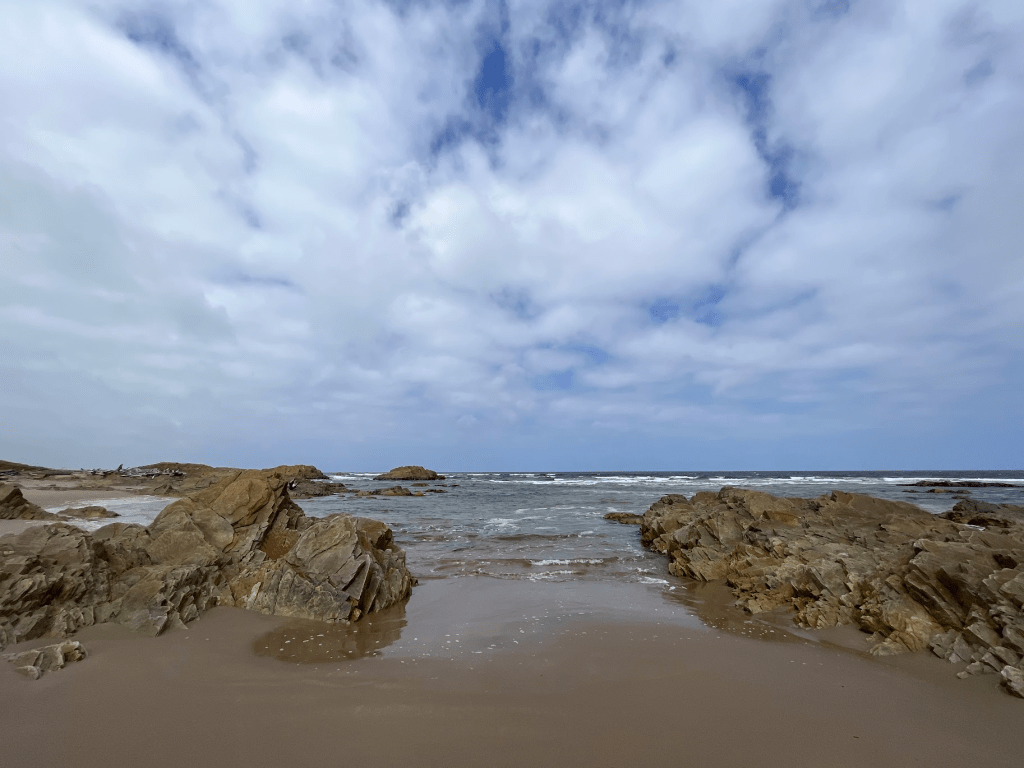
Further down the coastline, the nearly westernmost point of Tasmania, known as the Edge of the World. This rugged shoreline, battered by the gales of the Roaring Forties, is strewn with driftwood, logs, and uprooted tree trunks, each carrying its own unique story. Giant rocks and boulders, shaped by wind and water over millions of years, hold secrets locked within their formations. As I look directly west, my line of sight extended far beyond the horizon. This spot marks the furthest-reaching stretch of ocean on the globe, where, if our sight had no physical limits, we could eventually spot landfall on the eastern coast of Argentina, completing a journey around the globe! The vast expanse of sea before us made me feel as tiny as the pebbles scattered across the beach. The wind of the roaring forties tugged at my hair, blowing in all directions, and carrying away the worries of the past, present, and future.
The Edge of the World (Argentina in the distance)

With the wind threatening to whisk my underwear off the verandah, and into the cows’ grazing fields, I hastily exit the bathwater to prevent it from becoming part of the animals’ dinner.

There’s so much more I want to share – my Fun Fact Forties. Did you know that billions of years ago, Tasmania was connected to North America? That this tiny island produces more renewable energy than it consumes? That there is a Sisters Beach but not one for brothers? That Tasmania is referred to as lutruwita, by the Aboriginal people, meaning Great Island. That Tasmania is the same size as Ireland or Switzerland, and a week or two is not enough time to explore it all.

Well, I guess I have to come back soon, to write some more about Tasmania. And to take another bath with the cows. Cheers!

Water, wine, and a view

The Passive Housewives of the Southern Highlands

Do Not Enter’s written on the door way
Why can’t everyone just go away?
Except you
You can stay

What do you think of my treehouse?
It’s where I sit and talk really loud
Usually
I’m all by myself

I’m the captain but you can be the deputy
I’m really glad you think I’m so funny
I don’t think I’m ever gonna let you leave

Alex G. Treehouse

As kids, everyone dreams of building a tree house. Of rope ladders and string lights, hideaways and tire swings. Of magic and adventure. Maybe a mini fridge. As far as I can remember, I never had one – a tree house, I mean. Nor a mini fridge.

I can remember playing in large cardboard boxes, left over from a move or the delivery of an appliance. On the inside, buttons and screens and keyboards drawn in markers and me, of course, pretend-playing in my tiny cardboard house for hours.

Later, we would dig holes into the neighbours’ muddy yard, large enough to house a small person or two, and in our imagination as big as an underground castle. My own children had a massive play house on stilts, in our backyard, custom-made out of left-over wooden display shelves from the bakery. I always imagined myself moving in there one day, with my books and a comfy chair and a typewriter on a small, rickety table. Instead, when the children had moved on and out, we cut off the stilts and turned the whole thing to a storage shed.

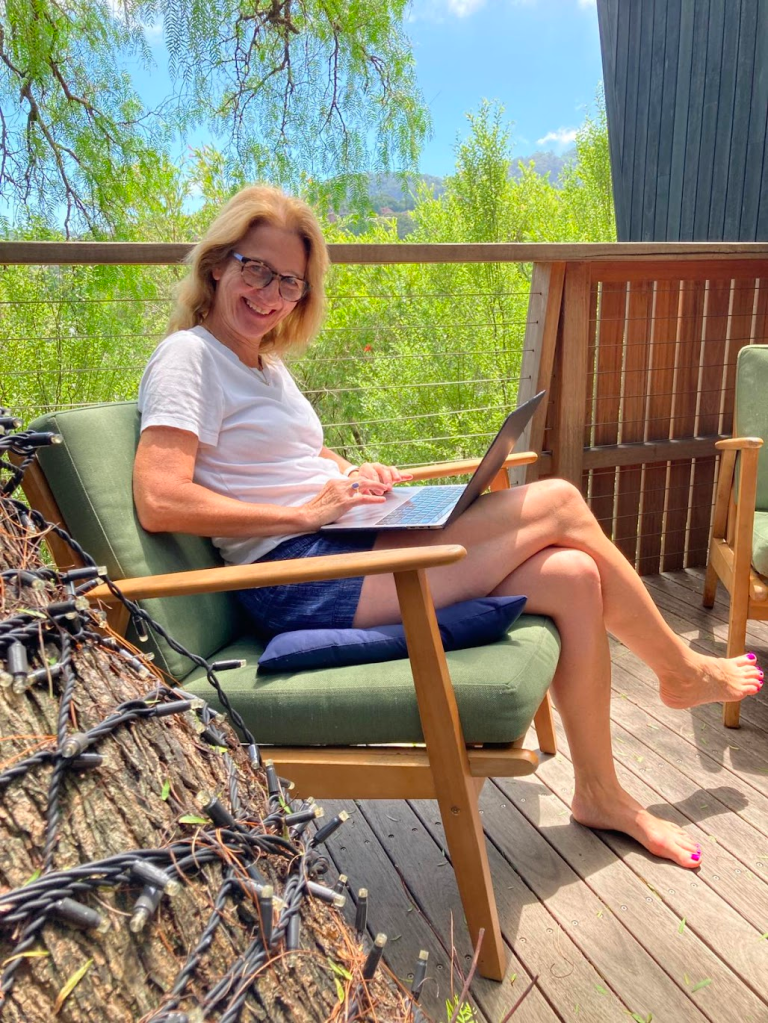
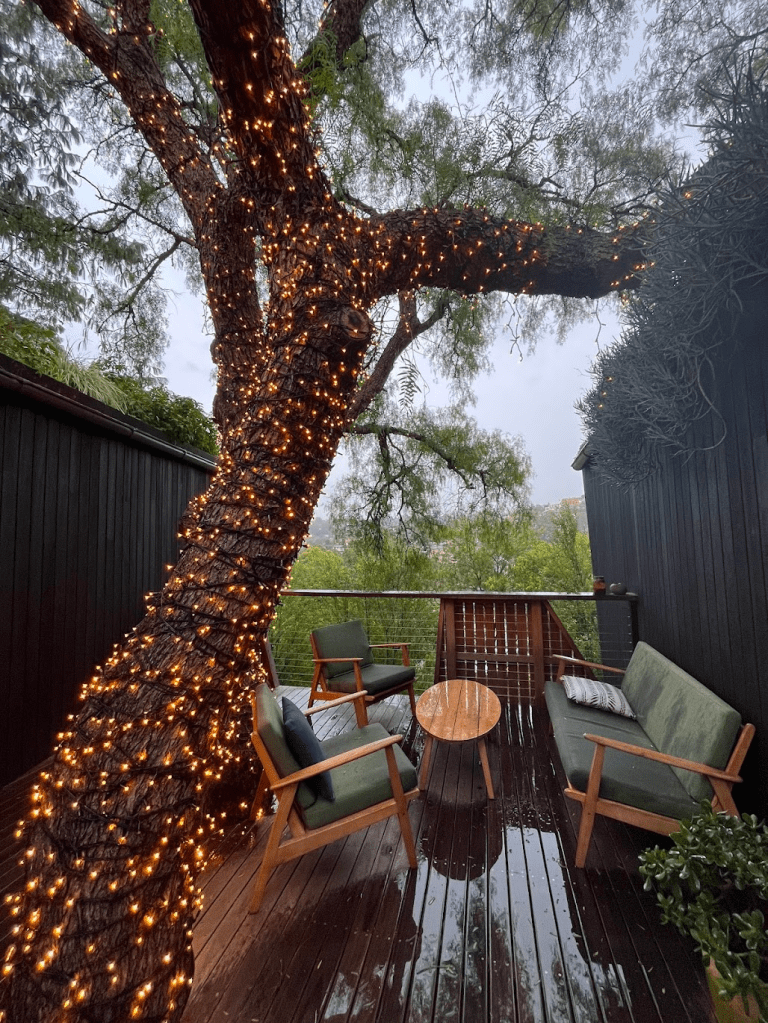
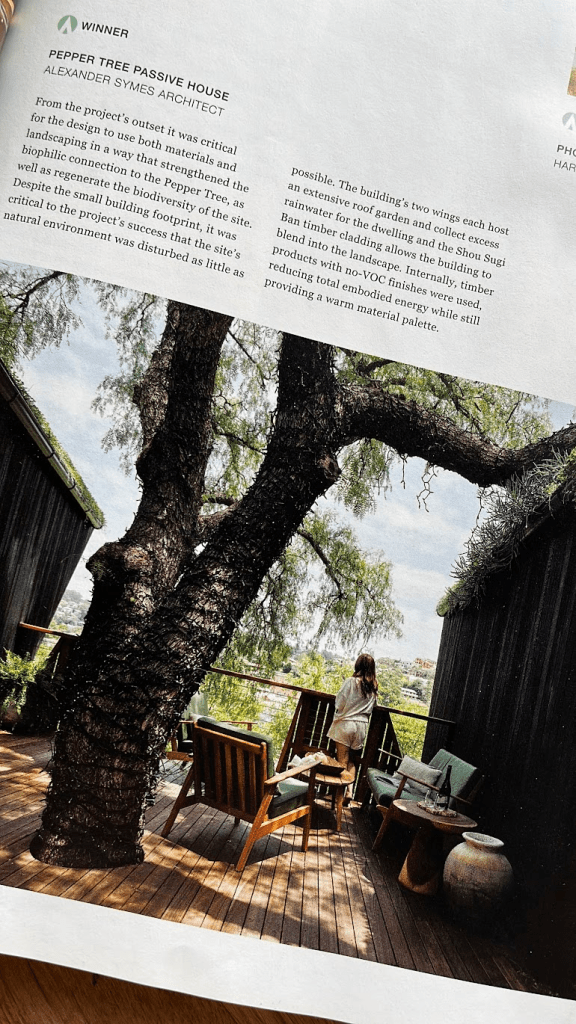
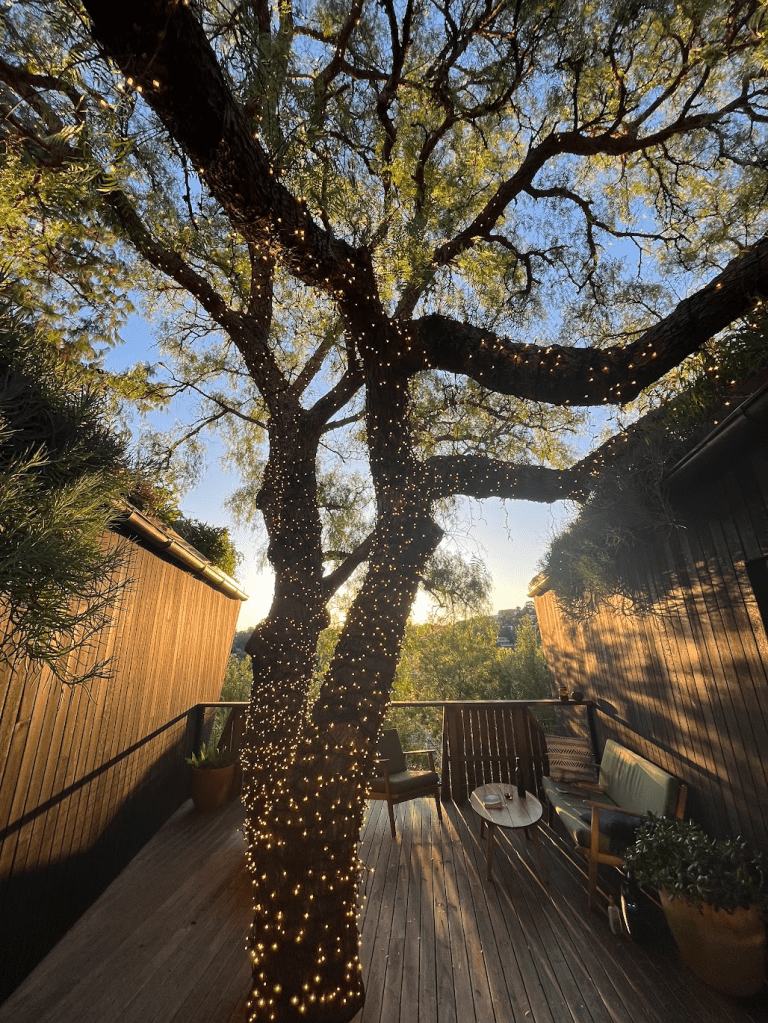
Fifty years later, and here I am at last: my very own treehouse, at least for the next couple of days. A beautiful deck, wrapped around the trunks of an old pepper tree. Fairy lights twinkling magically. A comfy chair (albeit still a bit wet from last night’s rain), a small wooden table (not rickety at all, though. Probably designer and very expensive!) and the peace and quiet I need to write.

Taking a break from adventure, it is the nature that surrounds me that I seek and enjoy. The shade-giving branches of the tree, as old as me, swaying gently in the warm summer breeze. The chorus of the cicadas, an ebb and flow of cacophony. In the afternoon summer heat, a lazy bird song here and there. The perfect place to reconnect back into nature and replenish my soul, just like the welcome flyer tells me to.

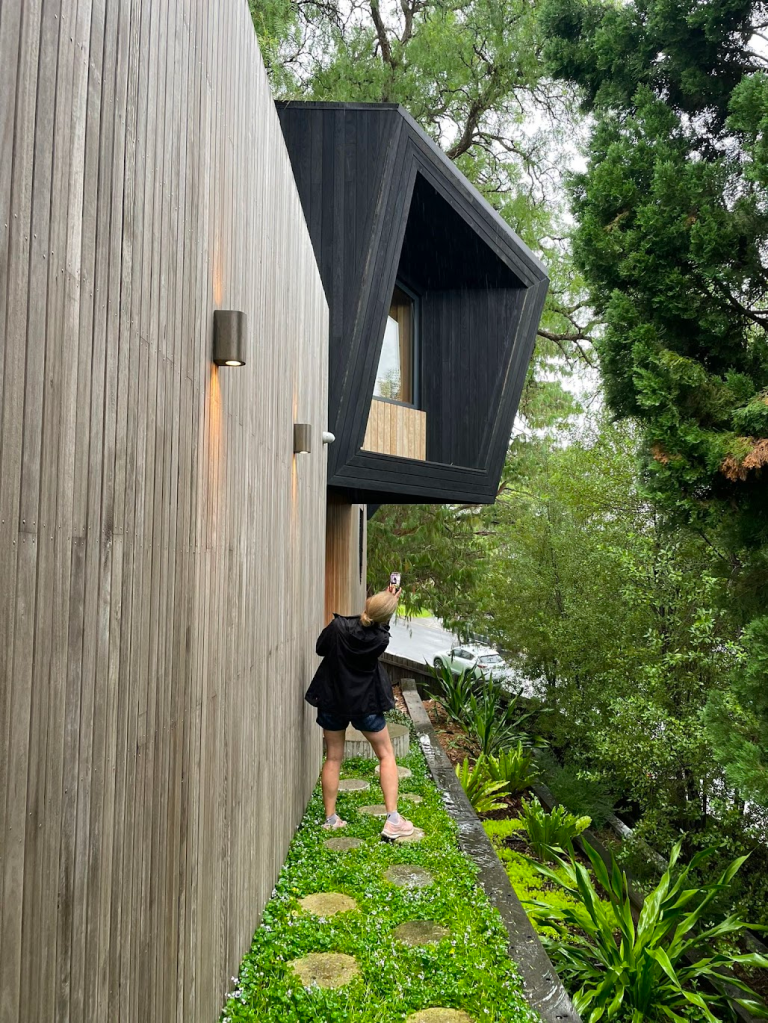
Pepper Tree Passive House

The Pepper Tree treehouse is a passive house one hour and a half south of Sydney – which, at the time of booking, meant nothing to me. I just liked the unique design of unpredictable lines and corners, and the twinkling fairy lights wrapped around the tree in the centre of it all. Which looked so pretty upon arrival the first night, its countless lights reflected in the wet wooden boards of the treehouse deck.

Rainy nights and fairy lights

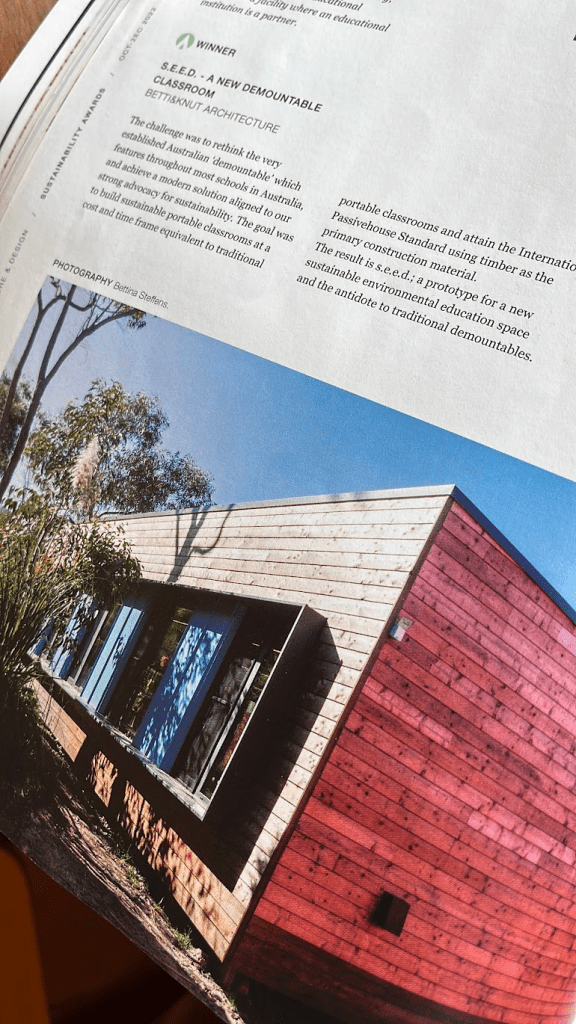
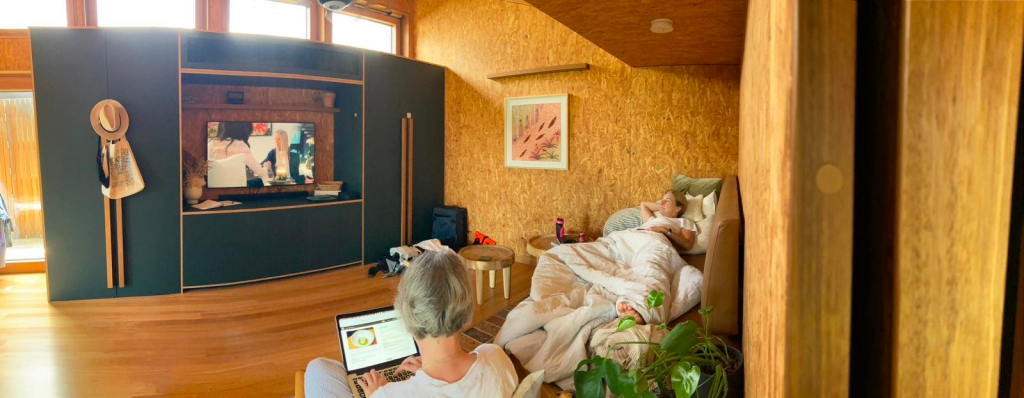
In the morning, a freshly brewed cup of coffee and the view of a mountain in front of me, I leaf through one of the architecture design magazines, and learn about the many awards this place has won and the meaning of “passive house”. Inspired by all this talk of drastically lower energy use, I soon retreat to the lounge to watch a bit of Real Housewives of Beverly Hills. Passive it the word. (I also come across a photo of my sustainable, award-winning classroom in the magazine, by the way. This discovery could explain the sudden lack of energy).

Our Passive House
Our Passive School

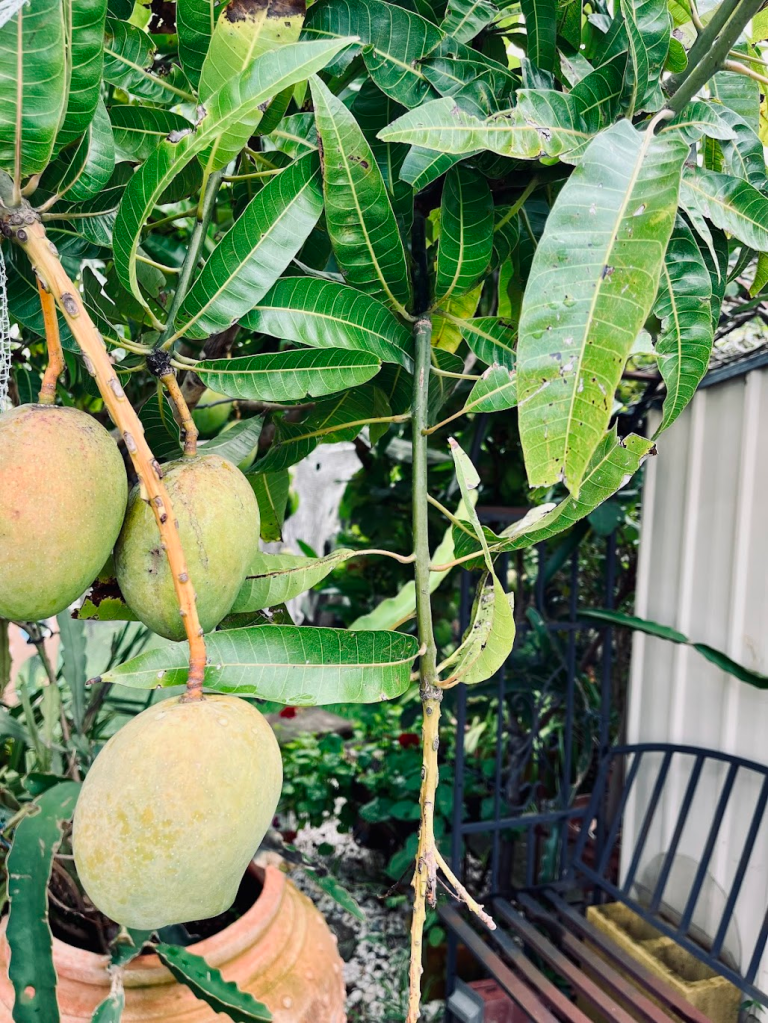
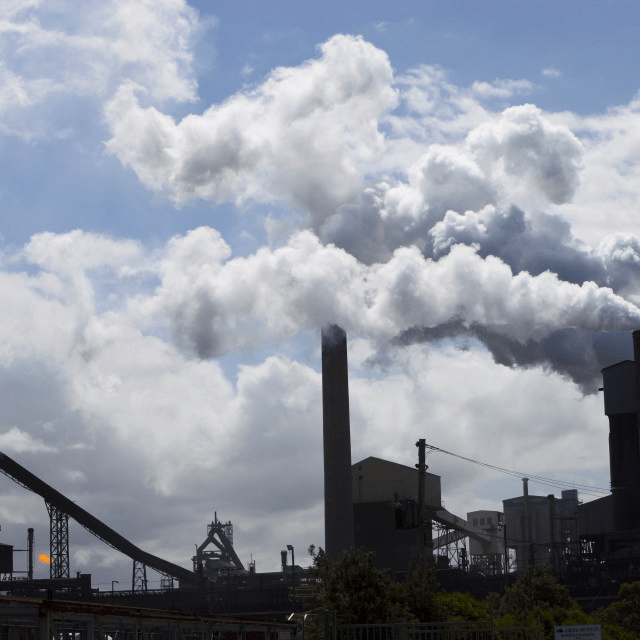
Later I go walk down the hill into the town of Unanderra. On my way, there are a few things I see but don’t really understand: mango and lemon trees covered with giant hair nets, the nameless lush green hills behind me and the hideous sight of what looks The Scouring of the Shire and Mordor combined in front of me.

Mangos on trees
Devastation at the ocean
A mountain with no name

There are plenty of resources one can consult, to gather information on a place you have never been to before: travel guides, the internet, people.

While standing at the bus stop across Woollies in the town centre, successfully having accomplished my mission of needing two things from the supermarket (a toothbrush and mosquito spray) and buying 15 instead (three different chocolate biscuits, hummus dip, carrots for hummus dip, crackers for hummus dip, six coke cans warm and one cold one), I decide to pop into Sue’s Beauty Spot to get a pedicure. And an answer to all the questions I had regarding this town, and then some:

That the fruits and vegetables grow well here in the Southern Highlands—not only mangoes but also figs, limes, lemons, and more—were it not for those pesky birds (hence the nets). People who live here, she tells me, like growing their own produce. And the space and climate allows for it.

That the mountain in front of my kitchen window is called Mount Kembla. Later, I read that local Aboriginal legends describe Mount Kembla and Mount Keira as sisters, with the five islands (Wollongong) being daughters of the wind. The Illawarra Aborigines inhabited this region for over 20,000 years until the arrival of the First Fleet in Sydney in 1788 and the subsequent British Invasion of Australia. By 1846, the number of Aboriginal people in the Illawarra region had dwindled from about 3000 to only 98. Sue doesn’t delve into that history. Instead she tells me that many of her older customers voted No in The Voice referendum.

Mount Kembla played a crucial role in coal mining during the 19th century. The massive factory plant in the distance is a steel plant built in the sixties, attracting numerous immigrant workers in the 50s and 60s to the area. Once a small and laid-back beach town, Unanderra is now considered a suburb of Wollongong, or The Gong, the larger neighboring city with a university. The steel plant no longer holds the title of the biggest employer; instead, it’s the university and Health Services.

Sue tells me that she came to this region when she was three, and her parents found work at the local steel plant soon thereafter. That the switch from living in the Swinging London, England to the Sleepy Southern Highlands had been hard at first. She shares with me me that she has two German Shepherd rescue dogs and enjoys going to Costco four times a year to stock up on things. She is not a fan of Donald Trump, but many of her older customers are. Sue expresses concerns that he might start World War III and emphasizes how blessed we are to live in the beautiful country of Australia (even though this summer has been unusually wet). She notes that my feet are very tight from too much walking.

The Passive Housewives of the Southern Hills

Tight-footed and heavy hearted, I leave Sue’s Beauty Spot a little while later to catch the bus up the hill to my beautiful treehouse in the lower foothills of Mount Kembla. The world seems to be spinning faster and faster, and I want time to stop for just a little while. I turn on the air conditioning for the heat and the fairy lights for the magic. And maybe, just maybe, I’ll watch another episode of Desperate Housewives.

The Art of Surfing in the Rain

I don’t mind surfer girls.

Yeah! Yeah! Surfer girls!

I don’t mind shooting the curl!

Yeah! Yeah! Shooting the curl!

I don’t mind sitting on the beach!

Yeah! Yeah! On the beach!

I don’t mind it – ain’t it neat?

Ain’t it neat?

I don’t mind. I don’t mind.

Surfer Girls by Hitman.
Surfer Girl

The sky above me darkened quickly, shifting from bright blue to charcoal black as the summer sun disappeared. Dark clouds rolled in from behind, carrying raindrops that tinkled upon hitting the water along the shoreline: Ding! Ding! A dance of vanishing circles in the shallow water in front of me, the beach covered with small craters formed by the rain hitting the soft sand.

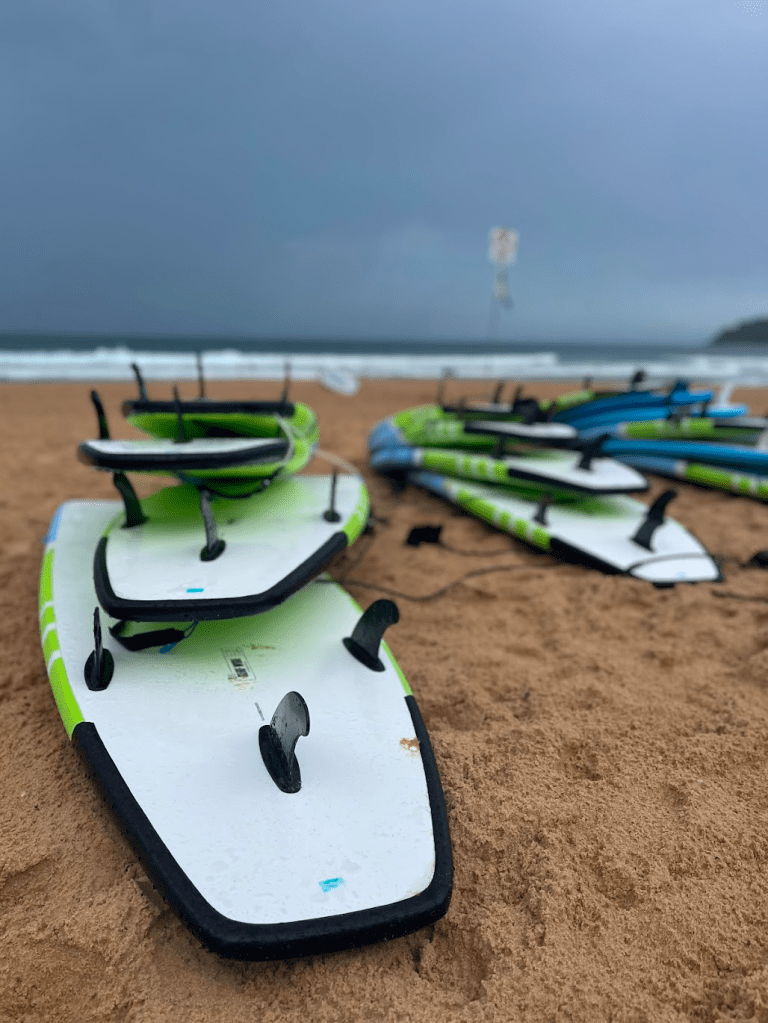
Sitting there in the warm summer rain, I watched my family trying to catch a wave. The endless cycle of pushing their boards against the incoming surf, slowly making their way out into the deeper end until that perfect wave started to form. Quickly (more or less) turning around, hopping on the board, and paddling, paddling, paddling until it felt right to POP! and stand up on their boards. At least, that was the goal – after all, this was our first time out, attempting to master the art of surfing… in the rain!

Surfer Gang

Twelve days of Christmas with my family. In Australia. My Christmas wish coming true. If you were to ask me about my favourite part, this is what I could say (and I might break out into song, just like they do in the movies):

On the first day of Christmas, my loved ones shared with me

their arrival in Sydney and Christmas dinner in Fresh-ie.

On the second day of Christmas, my loved ones shared with me

a proper hot Christmas at the beach and a walk to Man-ly!

On the third day of Christmas, my loved ones shared with me

Boxing Day at Warringah Mall, and contortionists at the Sydney Opera House to see.

On the fourth day of Christmas, my loved ones shared with me

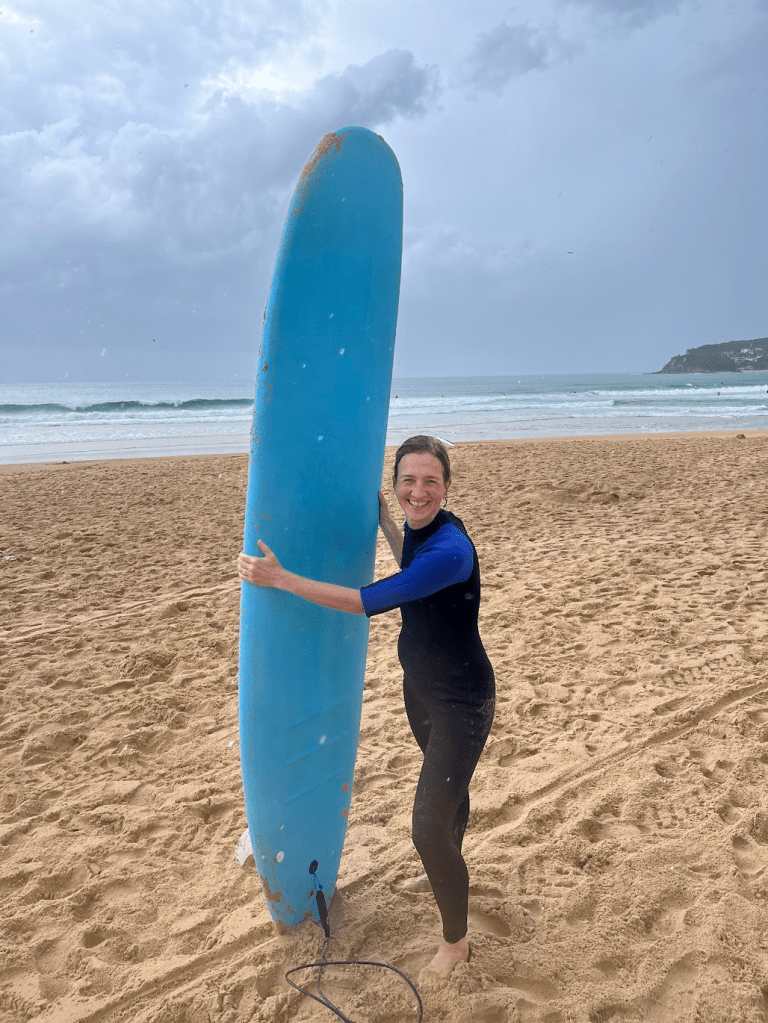
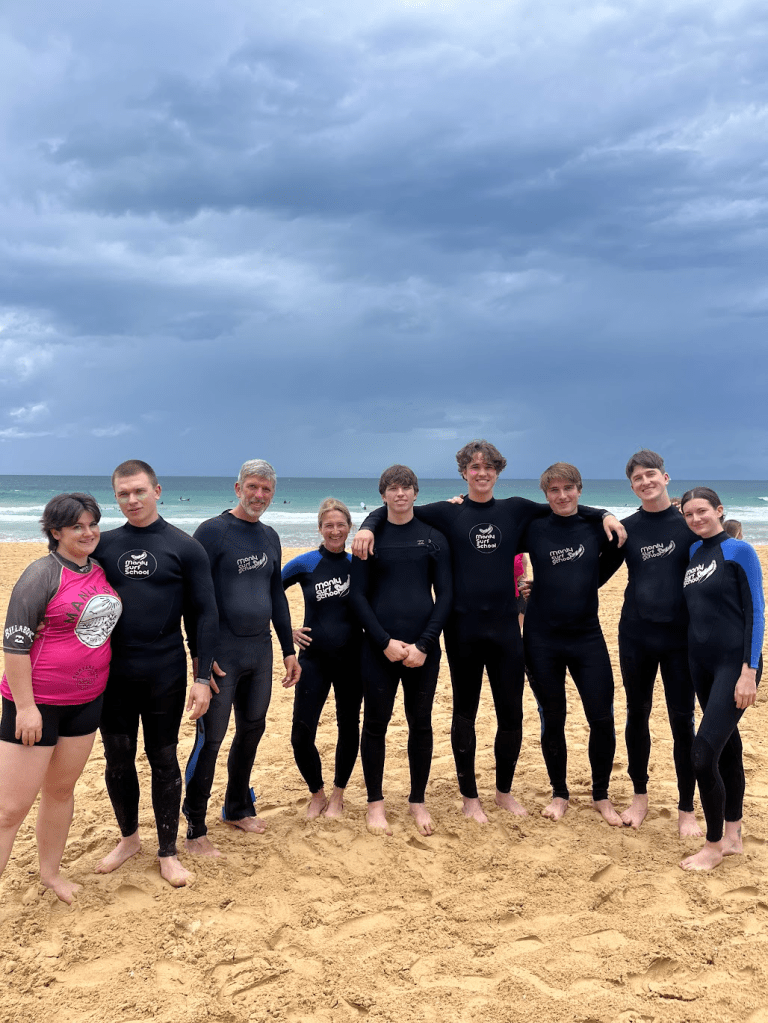
wetsuits and surf lessons with Queen G.

On the fifth day of Christmas, my loved ones shared with me

the Taronga Zoo!

On the sixth day of Christmas, my loved ones shared with me

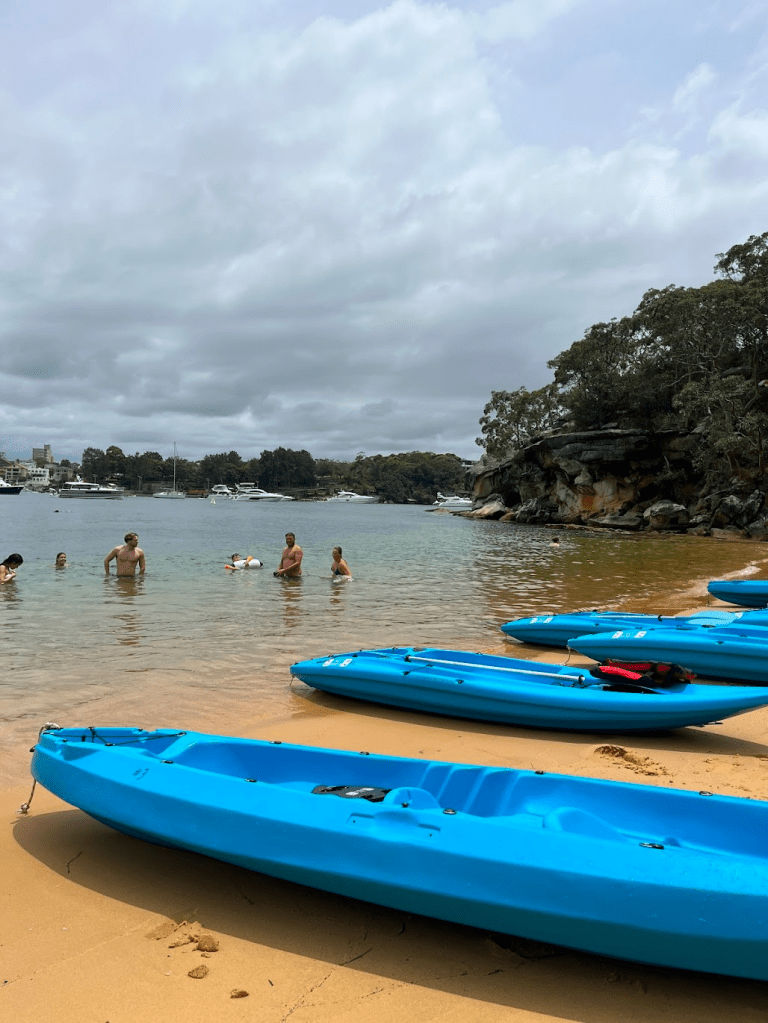
a guided kayak tour in Sydney Harbour and a win for the Sydney FC!

On the seventh day of Christmas, my loved ones shared with me

a walk from Spit Bridge to Manly and a meal of expensive French brie.

On the eighth day of Christmas, my loved ones shared with me

New Year’s Eve in the city (that was cra-zy!)

On the ninth day of Christmas, my loved ones shared with me

the Barrenjoey Lighthouse and the chase for the rucksack forgotten on the B!

On the tenth day of Christmas, my loved ones shared with me

a visit to various museum gift shops and a Schnitty with a Stein-i!

On the eleventh day of Christmas, my loved ones shared with me

four red apples, half a bottle of wine, left-over sunscreen and a large bag of laun-dry!

On the twelfth day of Christmas, my loved ones left with me

a ton of memories, lots of laughter, and enough love to last me until Ju-li!

My Twelve Days of Christmas. Gisela

Yet, my favourite memory will be that moment when sitting at the beach in the rain, exhausted from giving surfing a try, loving every moment of it, and watching my family in the waves, each one of them giving their best effort! They weren’t concerned about the heavy clouds rolling overhead or the rain that intensified by the minute. Their expressions. Their posture. Their success in standing up on that darn board. They were simply creating their own conditions and making the best of it. And there I was, experiencing that goosebumpy feeling of happiness, awe, and wonder. Everything was perfect at that moment.

I have an irrational fear of waves. It even has a name, as I read on the computer: cymophobia, the fear of waves. I fear anything wavy—waves, sea swells, wave-like motions, my hair. I could try to explain this fear by recalling childhood memories of being wiped out by a wave, pulled under and completely disoriented, ending up with a mouth full of sand and vowing to never catch a wave again.

Manly Surf School

But the truth is, I’ve learned quite a bit from observing the waves and how others approach them.

There are those, who try to evade them by standing on their tiptoes, arms raised, squealing from the sensation of the cold water touching them. Or simply run away from the incoming waves, screaming (not me!). Others turn their backs to the incoming wave altogether, trying to avoid eye contact as if ignoring it would change anything. I’ve learned to duck the most frightening ones, hands firmly pressed together before diving under, eyes tightly closed, feeling the water wash over me—please make it quick! And finally, those who dare to open their eyes underwater, captivated by the water’s violent game with the light, shifting from light to dark to light again. Oh, and then there are the body surfers, patiently waiting for the right moment to catch that wave and let it carry them ashore.

The same could be said about how we approach life. Running away from it. Attempting to avoid it. Turning our backs to it. Closing our eyes and getting through it as quickly as possible. Or enjoying it and allowing it to propel us forward. However, there’s no need to run from it, attempt to control it, or be overwhelmed by it if you learn to read the surf and your surroundings.

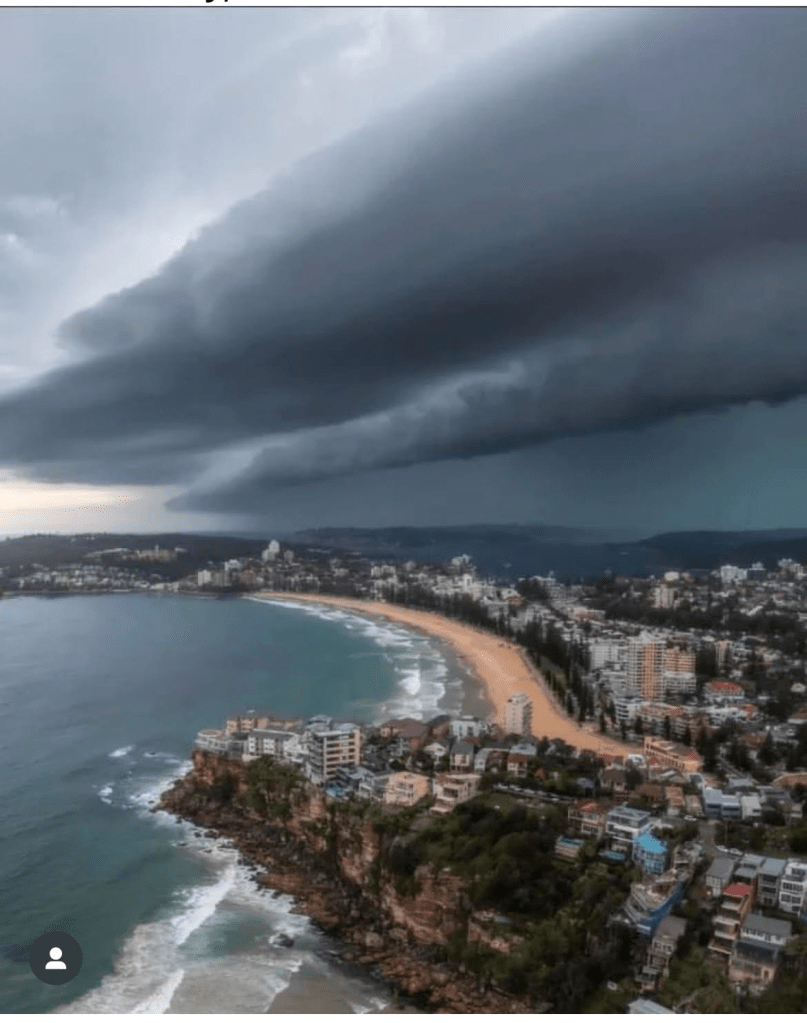
On the day of our first (and only!) surf lesson, the circumstances for going into the water were less than ideal. A heavy thunderstorm followed by hail, ominous grey skies, and drizzle. We called the Surf Club, assuming the lesson would be cancelled. Yet, they simply asked us to come down to the beach and wait out the thunder and lightning. Alongside thirty other tourists who had received the same advice. When the skies finally cleared, and we managed to struggle into our wet wetsuits (which, as it turns out, is almost as challenging as surfing itself), our surf instructor Simone imparted another lesson:

Rain, the unknown factor

When you want to go surfing, you can check the tides, surf reports, weather channel, and thunderstorm warnings. But ultimately, you have to come down to the beach and sit with the surf for a while. Observe it. Understand it. Be prepared. But then, you have to go out there and give it a try. Ride the waves.

We never know what our life is going to look like. We can dream and imagine it, but we don’t really know what it’s going to be until we’re in it, right when it’s happening. You can prepare, but you can’t plan for these things until they happen.

The Art of Racing in the Rain. Garth Stein
Cloud shelf rolling in over Manly

So, if you were to ask me what the best part of my family’s visit was, I would say that perfect little moment of sitting at the beach, watching them surf in the rain. Knowing that the rain would eventually arrive, but not knowing exactly when. And until then, just enjoying the moment!

Cheers!

Cheers!

Happy Gravy Day!

Hello Dan, it’s Joe here, I hope you’re keeping well
It’s the 21st of December, and now they’re ringing the last bells
If I get good behaviour, I’ll be out of here by July
Won’t you kiss my kids on Christmas Day, please don’t let ’em cry for me

I guess the brothers are driving down from Queensland and Stella’s flying in from the coast
They say it’s gonna be a hundred degrees, even more maybe, but that won’t stop the roast
Who’s gonna make the gravy now? I bet it won’t taste the same
Just add flour, salt, a little red wine

And don’t forget a dollop of tomato sauce for sweetness and that extra tang
And give my love to Angus and to Frank and Dolly,
Tell ’em all I’m sorry I screwed up this time
And look after Rita, I’ll be thinking of her early Christmas morning

Tell her that I’m sorry, yeah I love her badly, tell ’em all I’m sorry,
And kiss the sleepy children for me
You know, one of these days, I’ll be making gravy,
I’ll be making plenty, I’m gonna pay ’em all back

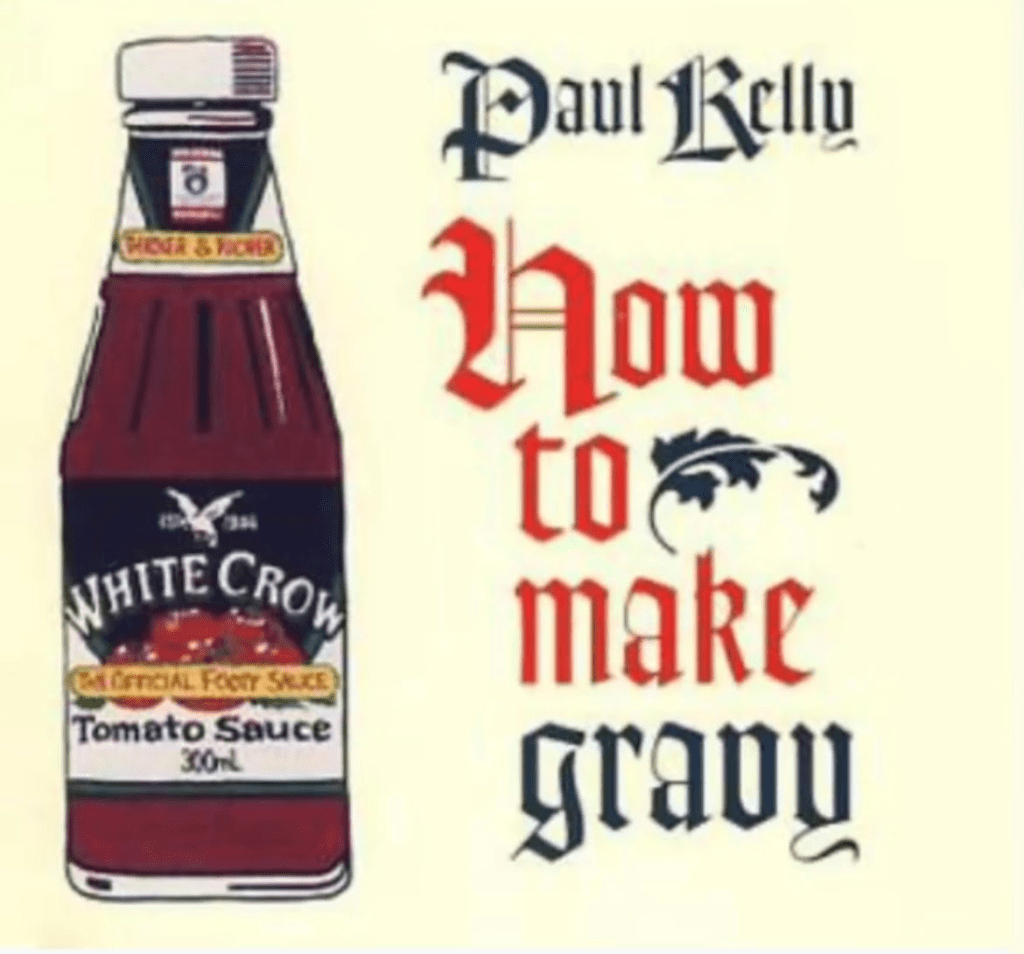
How to Make Gravy. Paul Kelly

A single bottle of ketchup – err, tomato sauce – rests on the small round table in my classroom. Forgotten. Left behind. The only leftover from our Class Christmas party. Another school year’s end. The sausage rolls that came with it… long gone. As is the rest of the Christmas buffet. The students have left, their belongings, books, and bags cleared out – except for a lone hat left behind in one student’s box. Chairs neatly stacked on tables, walls stripped of posters and paintings, yet the snowflakes on the window remain, dreaming of a white Christmas that will never come. Oh, Australian Christmas! Or should I say Chrissy?

Secret Santa
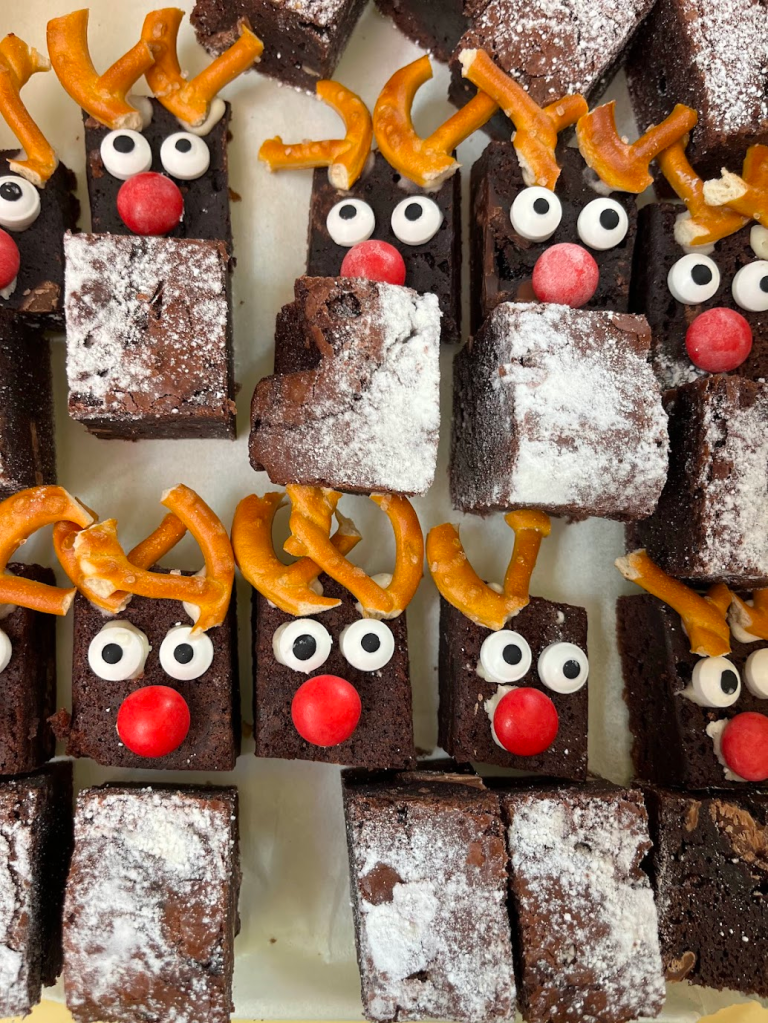
Christmas Bikkies
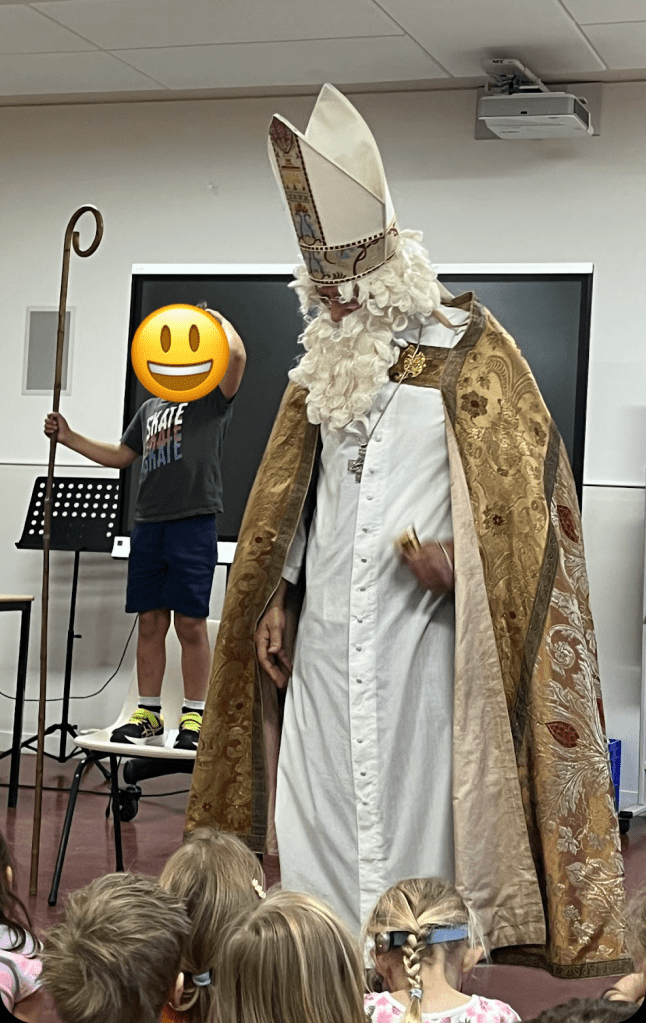
The Real St Nick

The other day, someone asked me about Christmas customs and traditions in Australia. I was tempted to give the stereotypical response of Surfing Santa, prawns on the barbie, and kangaroos pulling Santa’s sleigh… but truthfully, I haven’t witnessed any of these myself. What I’ve noticed is that Christmas Down Under isn’t much different from the Canadian Christmas. It’s just a bit more colourful, brighter, and, of course, hotter! Much hotter!

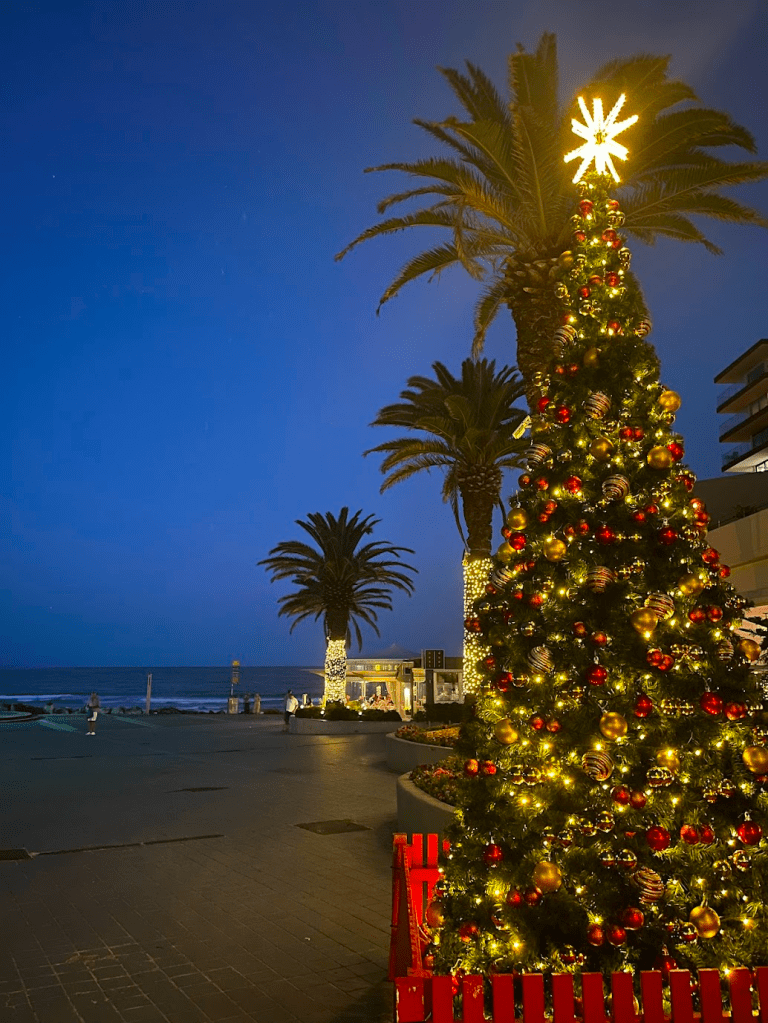
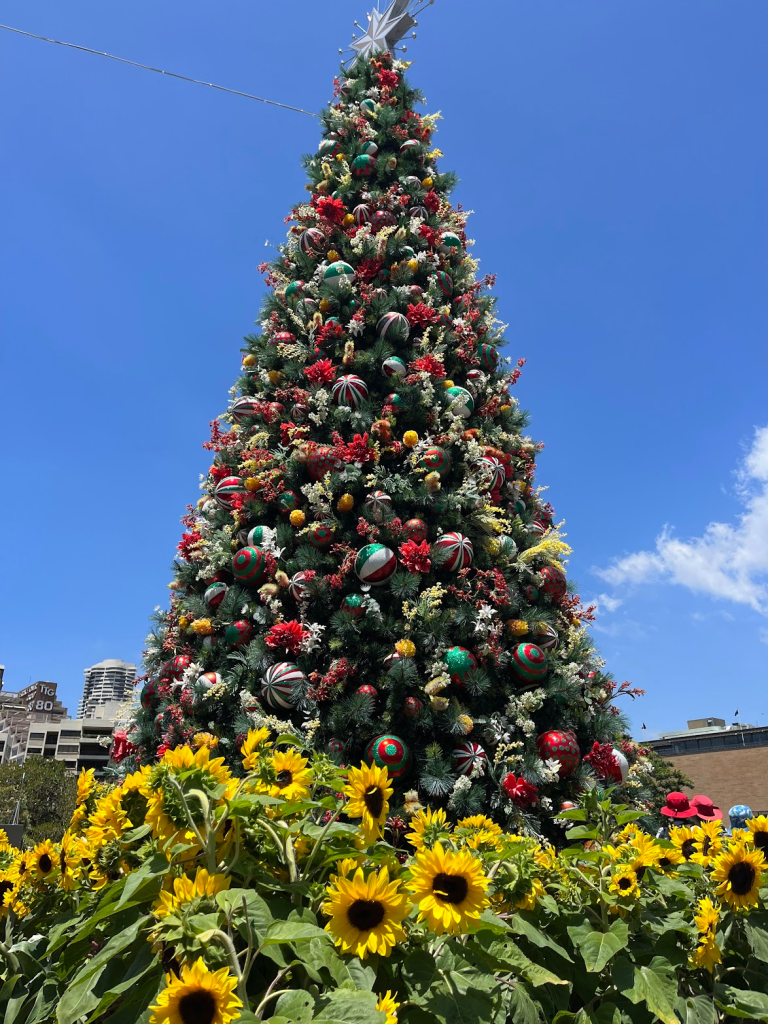
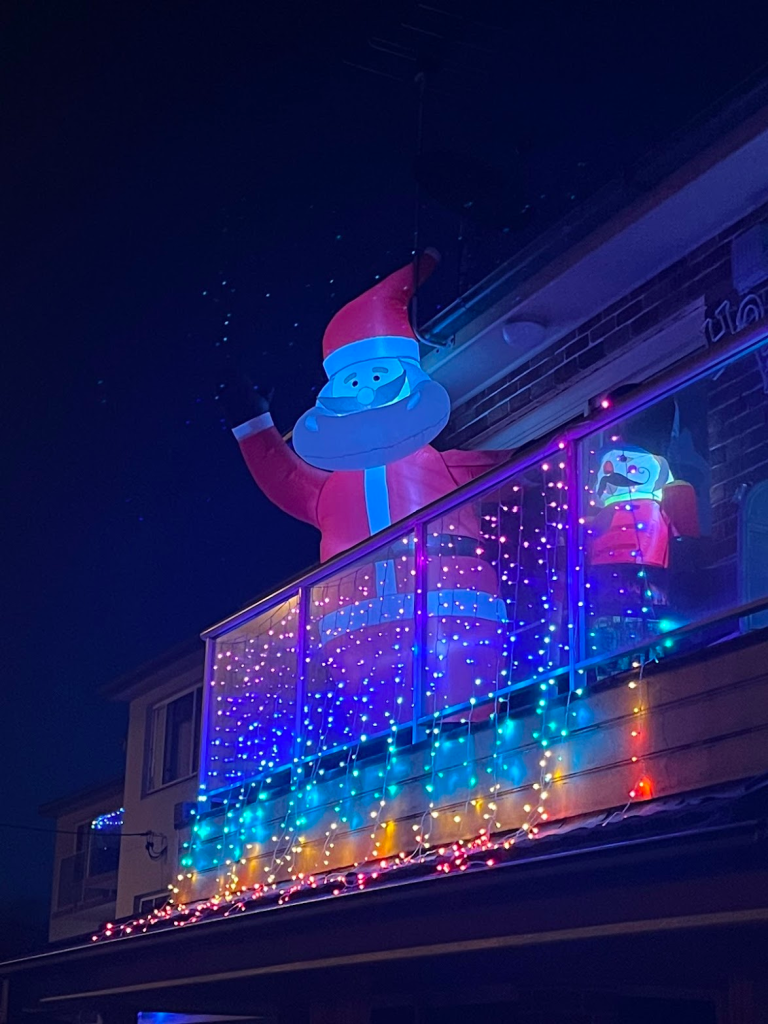
There are Christmas lights and beautifully decorated Christmas trees. Carols in the park. Family gatherings with too much food, too much drink, and too much money spent. Boxing Day is as much of a thing as are stockings and a big family dinner, minus the turkey – it’s ham here, or a roast, accompanied by gravy. Lots of gravy. Happy Gravy Day!

Christmas on the bus
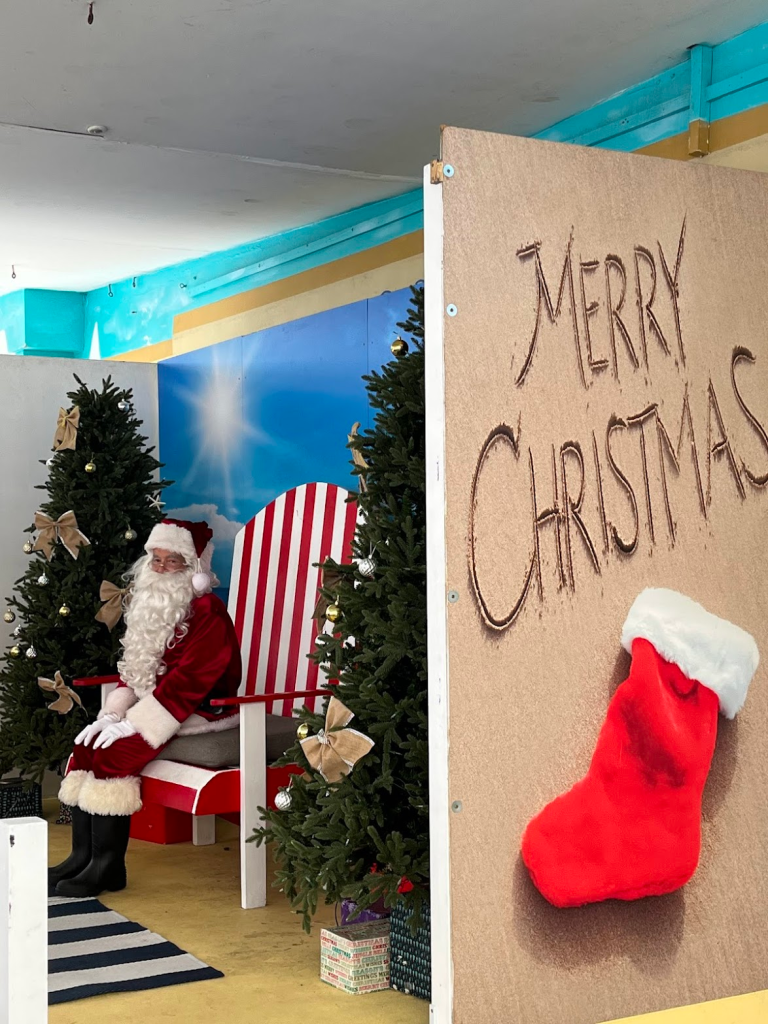
Christmas in the mall
Christmas at the beach

December 21. While the Northern Hemisphere quietly embraces the winter solstice, Australians not only welcome the longest day of the year but also celebrate Gravy Day! Although not yet officially recognized as a national holiday, “Gravy Day” has gained recognition in Australia through a song and various internet posts.

Paul Kelley. How to Make Gravy (Song 1996)

The story behind Gravy Day traces back to a 1996 song titled “How To Make Gravy” by the renowned Australian singer Paul Kelly. The song recounts the tale of a man in prison, expressing his longing to be with his family during Christmas. His touching letter, written on December 21 in the song, has become cherished and celebrated down here.

In the song, Joe, the letter’s fictional writer, reminisces about his family’s traditions: relatives visiting for Christmas, the lively gatherings, laughter and fights, dancing and love, and of course, the delicious food. The song even provides a simple recipe for gravy: “Just add flour, salt, and a little red wine.”

Christmas in my neighbourhood

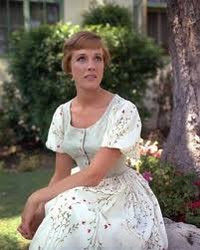
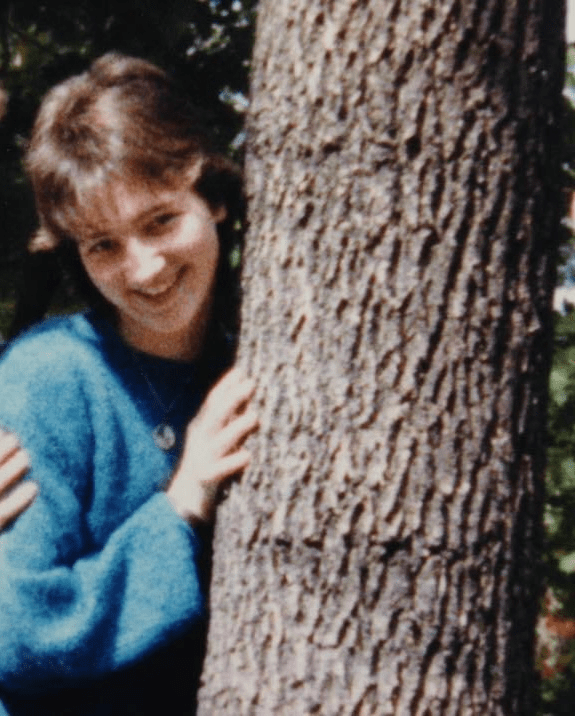
Songs are a great thing. They bring back memories, make you happy or sad, and get stuck in our heads – forever! (Just the other day, I realized I could still recall every word from every song in The Sound of Music. Don’t judge me—there’s a story behind it, one that involves Easter Sunday in 1986, watching VHS videos in reverse, singing along, and suddenly realizing I had the exact same hairstyle as Julie Andrews. Maybe one day, I’ll write about that.)

Julie
and me (in 1985)

Songs not only give us other perspectives but also allow us to relate to different experiences. Christmas songs especially! Who hasn’t fallen in love in snow-covered mountains, looking gorgeous like George, only to be dumped right after like a load of heavy snowfall? Who hasn’t worn a sexy red bodysuit in freezing winter snow, reminiscent of Mariah? Or spent Christmas Eve in New York City, getting arrested by hot Matt Dillon in a uniform? (Rest in peace, dear Shane MacGowan. Remember the time we drove for hours to hear you sing in Stuttgart. And ended up in a construction site on the Autobahn in the middle of the night?) No seriously, good songs not only remind us of what we’ve been through but also help us understand others’ feelings, bringing us closer together by finding what we have in common. Songs make us feel like someone else gets us.

At first glance, How to Make Gravy, is a song that offers the simple ingredients to a happy Australian Christmas (or any Christmas, really): Happy Christmas! Just add family and friends, good times and great food. That is the obvious message—a certain idea we have of what Christmas is and what Christmas should be; our perception of Christmas—a happy time, a time spent with others, lots of presents, laughter, and cheer. Add sunshine and the beach when you are celebrating Down Under.

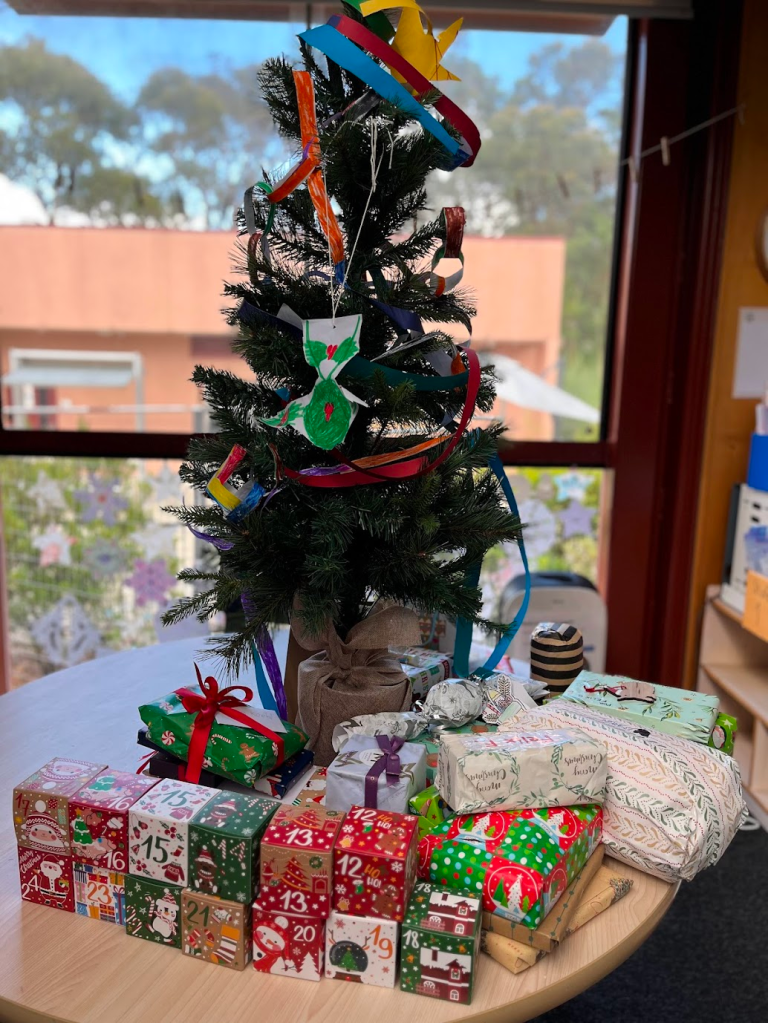
And Christmas in Australia may be all that. And to a certain extent, it is to me as well. I’ve got my own little (somewhat pathetic) tree with lovely wrapped gifts underneath, Christmas parties, and dinners to attend, and maybe even a few prawns. School is out, so I get to relax and enjoy the beach, the sunshine, and the ocean (though I have not seen Santa surfing yet).

Old Christmas Tree (thanks to C3&D)
Modern Christmas Tree (thanks to R.A.)

However, there’s more to it. It’s about the nostalgia for times long gone. (I must confess, I miss our Christmas tree in Toronto—fresh, green, slightly crooked, adorned with ornaments the kids crafted in school years ago, and even real wax candles, much to our neighbours’ grief that our house might burn down! And there’s as well!) There’s also a sense of loneliness that comes with being apart while the family gathers thousands of kilometres away. It brings about a feeling of guilt for not being there. Yet, amidst these emotions, there’s an overwhelming excitement for when the family can finally reunite and celebrate Christmas together. Though it might look different from before (definitely brighter)and feel different (certainly warmer), it might create a new set of Christmas traditions.

Sydney
Beaches
Perth

So, if you ask me what Christmas is like in Australia, I can’t really say. I can only say what it feels like to me: Just like Joe in the song, I’m super excited to be with my family for Christmas. I can’t wait to pick them up from the airport on December 24. And I am looking forward to celebrating Christmas with them, Aussie-style: the beach, sunshine, presents, and, of course, a delicious Christmas dinner. Maybe we’ll cook some prawns on the barbie (although, I hear, you had to pre-order them) or have a ham. But definitely lots of gravy. With tomato sauce – not ketchup!

Happy Christmas! With lots of gravy! ❤️

Cheers!

City of Light

We’ve been around the world. We’ve been everywhere

You think of a place, and probably been there

My life would have been a total failure

If I hadn’t seen Western Australia

It’s far away from the neighbours, far away from it all

If you never been in love, man, you are going to fall

It’s hot and it’s tough, and it’s incredibly pretty

and in the land of Oz it’s like Emerald City.

Australia. Coldplay
Sunrise West Perth

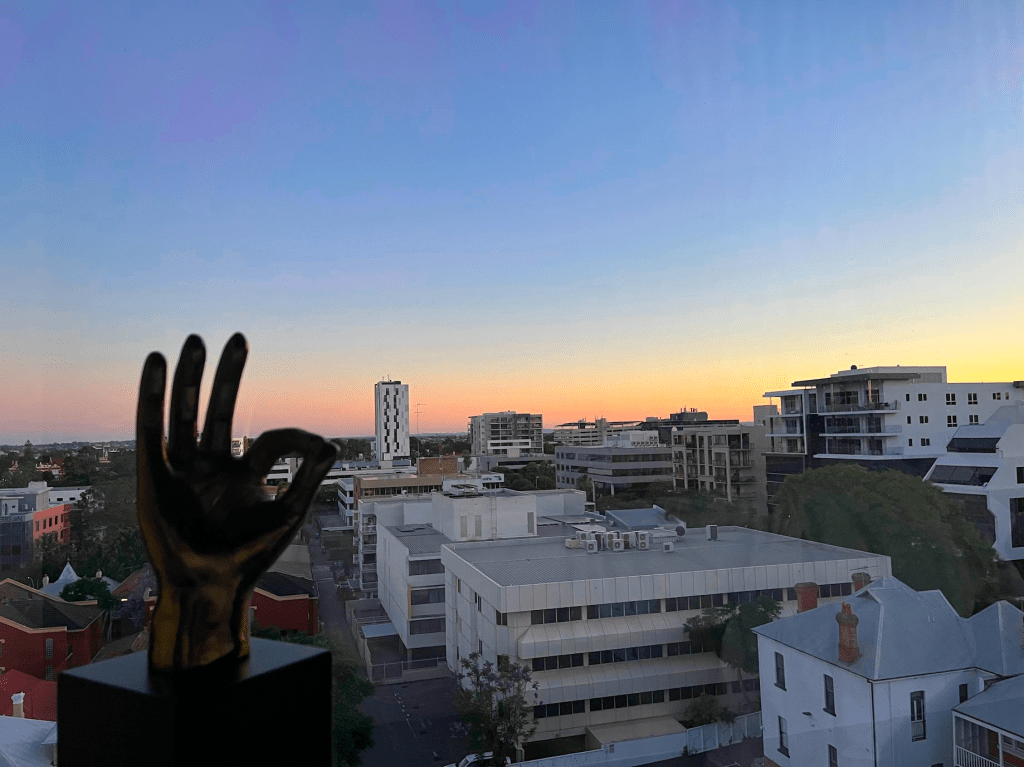
I woke up with a jolt. Where was I? What time was it? And what the heck was I doing here? The hotel room pitch black from the blackout roller blinds – only a sliver of morning light coming through curtains. I stumbled out of bed, fumbled my way to the window, and with a clickety-click pulled up the blinds. The alarm clock on the tiny nightstand showed 4:45.

In front of my eyes, morning was breaking. The deep azure blue of dawn giving way to the orange and yellow hues of the morning sun. The dawn into a bright and sunny day. Good morning sunshine. Good morning Perth!

I was on the other side of Australia. 3290 km from Sydney. 18421 km from Toronto, Canada. The furthest city from home. What had started as a silly idea months ago – a Schnapsidee my mom would have called it – had become reality: Welcome to Perth! Welcome to Western Australia!

How I got here? Well, I can explain. And I am sure that you will agree, that this was indeed the best Schnapsidee ever! And I did not even have any schnapps when I planned it!

In fact, it all started at school. During class, to be exact – but don’t tell my boss! Coldplay was coming to Australia and as a true Coldplay superfan, I saw it as my absolute duty to attend their concert in Downunder. Much to my, and all of Sydney’s dismay, their only concert in all of Australia was going to be in… no, not Sydney. Nor Melbourne. Nor Adelaide – which would have all been somewhat reasonably accessible cities. No, their only concert was going to be in Perth!

I knew that Perth was on the other side of the continent. I did not know how far it was, to get there. Ignorance is bliss. And so, on that fateful Monday morning in May, I entered my name in the online ticket lottery, not really expecting to score a ticket.

But, lo and behold – 47 minutes later and thousands of fans in line in front of me, my number was up! There it was, a reserved ticket and a prompt to enter my credit card number. With shaking hands and sweat collecting on my forehead, I entered the payment details and: SUCCESS! YOU ARE GOING TO SEE COLDPLAY IN PERTH! Digital confetti filling my phone screen. I let out of small scream, my students quizzingly looking at me. ” Back to quiet work, everyone!”

I was in!

And I was going to soak up that sunlight in front of my window with every inch of me.

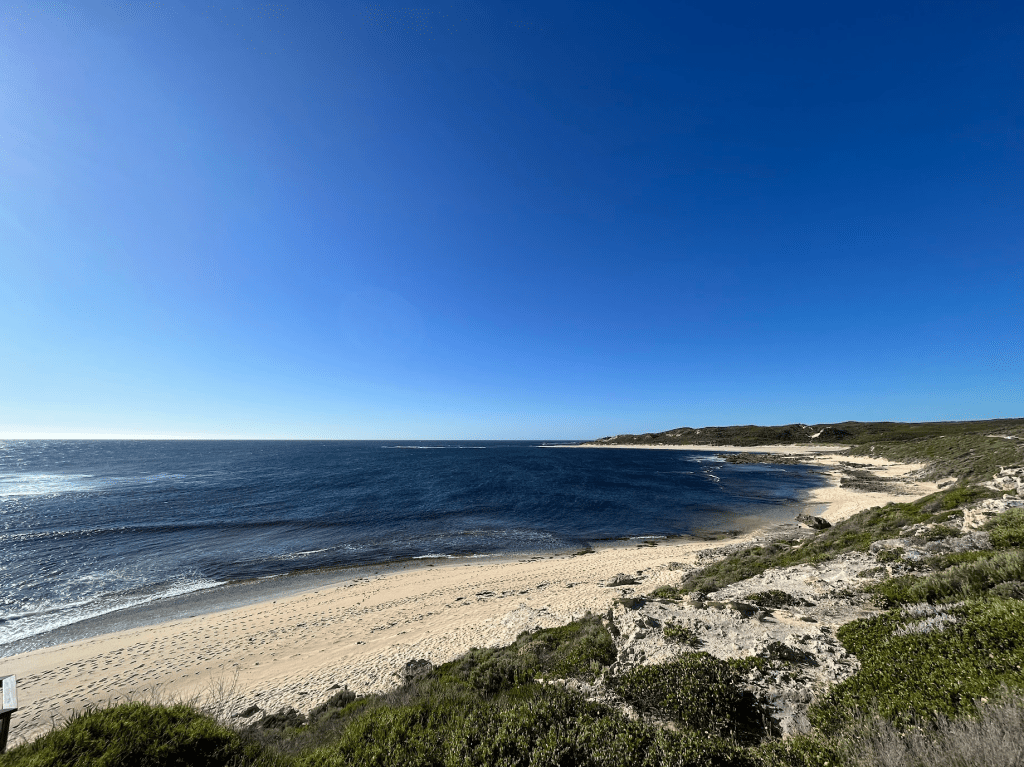
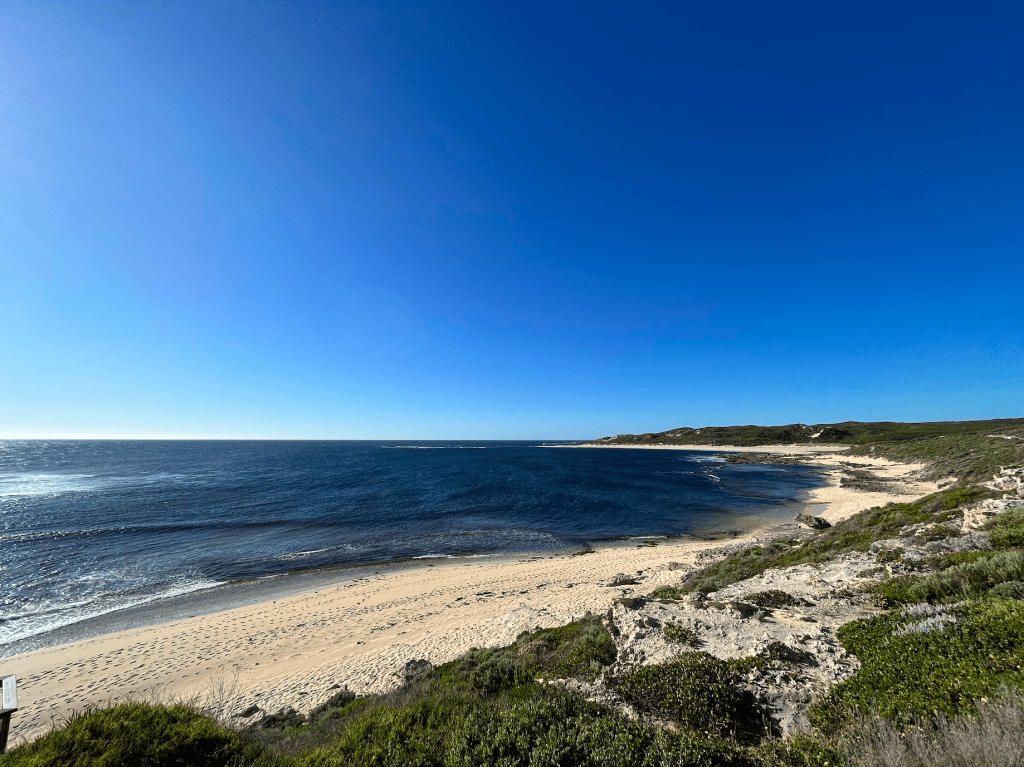
Preston Beach, WA
Margaret River, WA
Suicide Beach, WA
Margaret River, WA

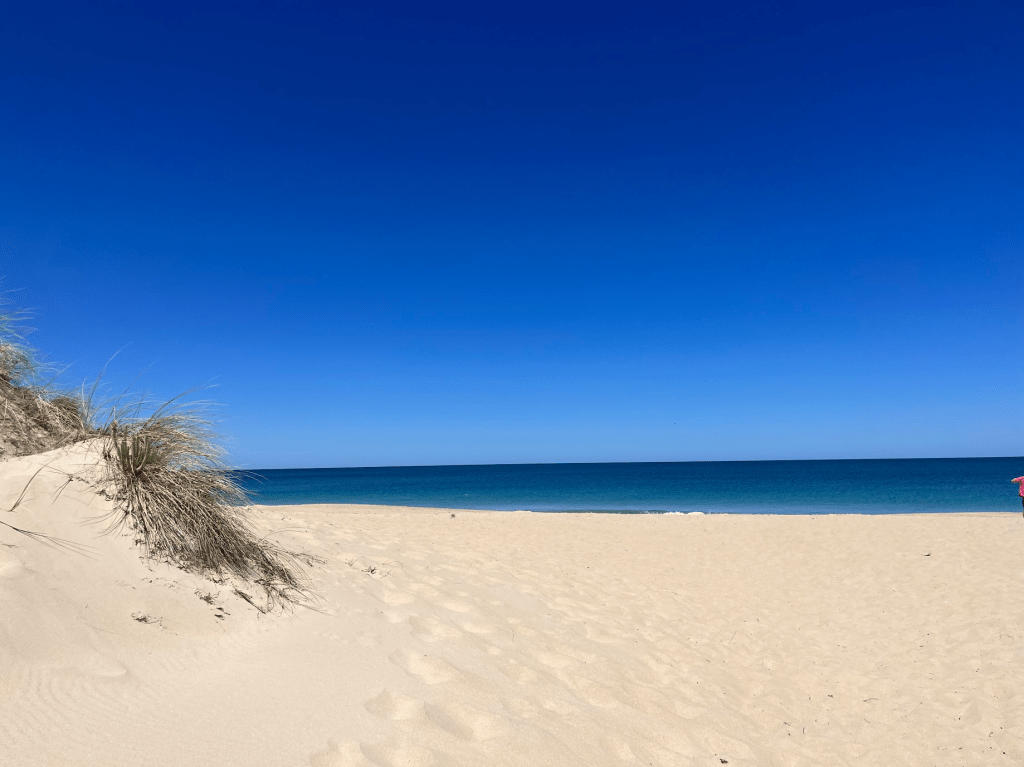
Turns out that soaking up the sun in Western Australia was pretty easy to do. A gorgeous blue-sky kind of day ahead of me, the perfect weather for a road trip to Margaret River, along gorgeous white beaches and the deep-blue waters of the Indian Ocean.

With 8.8 hours of sunshine per day, Perth is the sunniest State Capital in Australia (in comparison, Sydney has a measly 7.2 hours of sunshine per day on average. Toronto gets a whooping 2.5 hours a day this time of year.) With the country’s best weather and clearest skies, Western Australia has outshone Queensland as the nation’s Sunshine State.

And the sun over here was incredibly bright! With less air pollution due to Perth’s isolated location thousands of kilometres away from the next big cities, there is less stuff in the air for the sunlight to travel to and scatter off. Perth – the City of Light.
However, the City of Light got its name not because of its brilliant rays but because of a cute story that involved the earth, the moon and the stars, the notion of feeling isolated and alone, and the idea that we are all connected somehow.

In 1962, as the story tells, the American astronaut John Glenn was orbiting earth in his spaceship “Friendship” as the first American to do so. It was night in Perth, and the residents of the isolated city on the west coast of Australia wanted to make sure that John did not feel alone on the spacecraft flying over. The residents and local businesses made an effort to turn on all of their lights, so John could see the city below.

1962 City of Light, Perth

And he did! As the spacecraft approached the coast of WA, John could see the city brightly in the cover of the night. The City of Light was born! Only too well did the people of Perth understand the same feeling the astronaut would have experienced alone in the spacecraft. In a way, the bright lights of Perth in the dark of the night signified the hope of humankind in what seems like a dark void of uncertainty.
Christmas Lights Perth
Light Show Elizabeth Quai

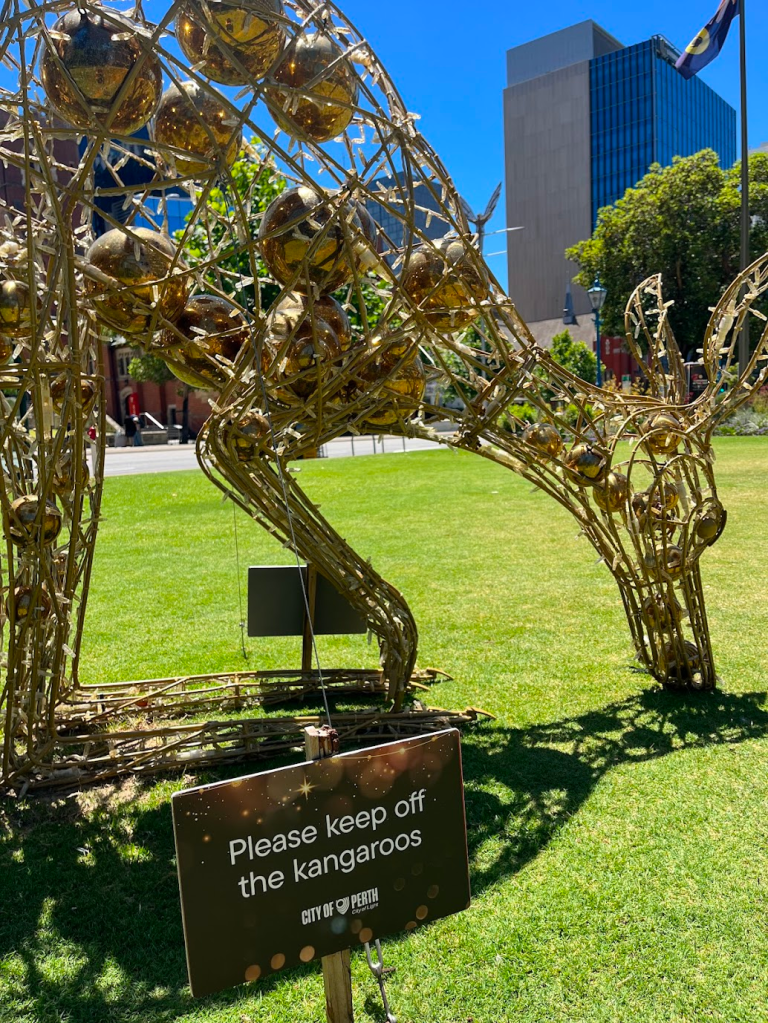
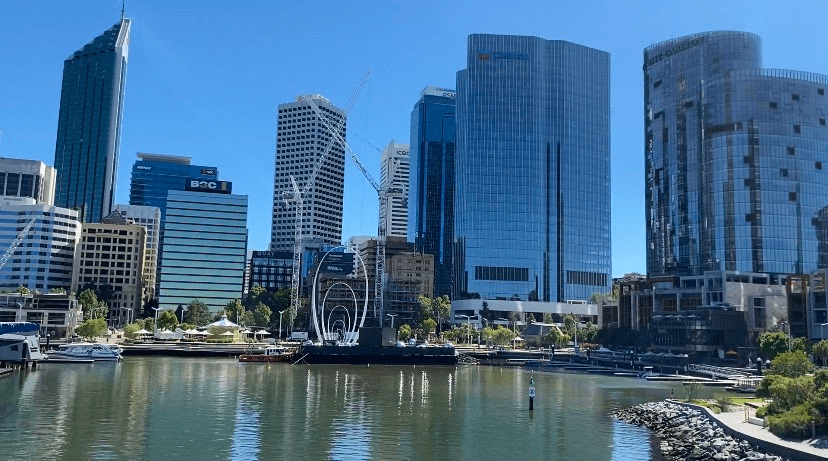
The next day, a walking tour through Perth itself. More lights, this time in the shape of Christmas lights in all shapes and forms Australian. After all, ’tis the season. Light-up kangaroos in front of old government buildings, ginormous silver Christmas balls at Elizabeth Quai, and light. up Christmas trees between skyscrapers in the business district. Lights, and more lights everywhere – as if the hot sun burning down on us was not enough.

ColdplayPerth – 60.000 Lights and more

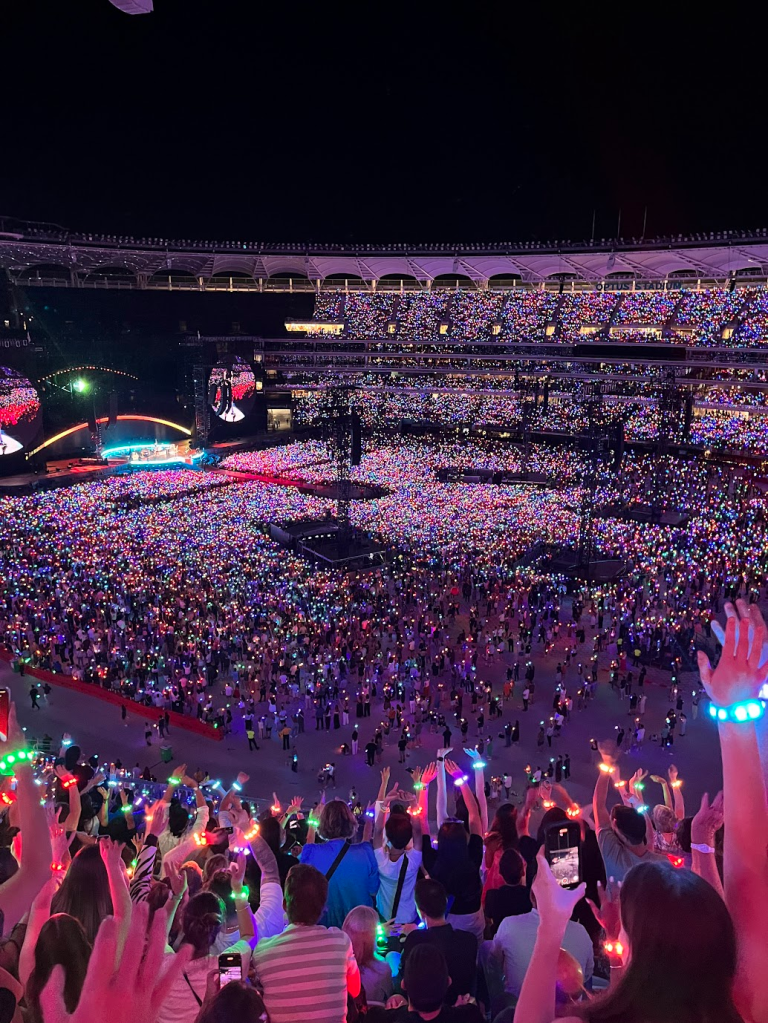
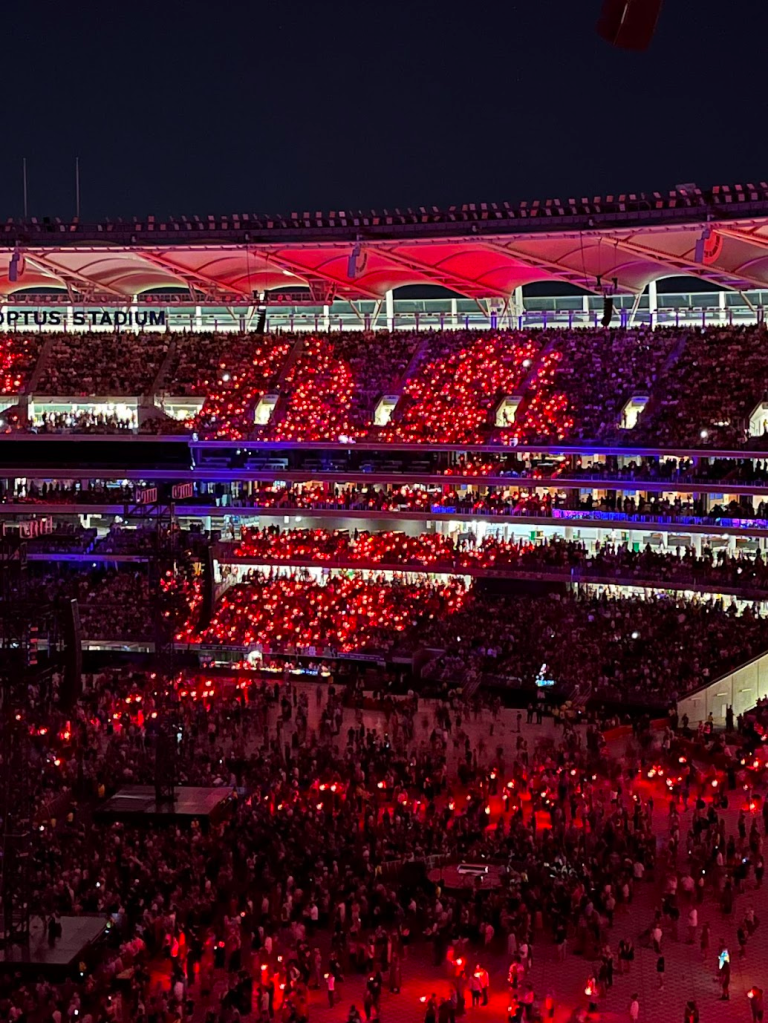
And then – finally. To top it all off: the light show of all light shows brought to the City of Lights. Flashing wristbands, pulsating strobe lights, fireworks and glowing ballons. I am sure, had there been a spaceship orbiting the earth that night and flown over Perth, it would have seen the show light up space.

60.000 people coming together to celebrate music and happiness and unity. People from close and people from far like me, who had acted on a silly schnapsidee that made absolutely no sense but just felt right. People from Perth and surrounding areas, from the Outback and other states. From Sydney and Melbourne and Adelaide. From Jakarta, Singapour and other exotic places. People who sang and danced together and turned on their lights to light up the stadium, light up the city, light up the sky. People who paused for a moment to send their love to all corners of this earth: from my kids in Toronto to all the people in the Middle East, Ukraine, Sudan… Thoughts of love and hope and light. Tiny thoughts in the big picture. Tiny lights like stars in the dark nightsky. But lights nonetheless.

And in that moment it seemed that once again, the bright lights of Perth in the dark of the night signified the hope of humankind in what seems like a dark void of uncertainty.

Look at the stars
Look how they shine for you
And everything you do
Yeah, they were all yellow

Yelllow.Coldplay

Everything Is Beautiful and Everything Hurts

Round and round, up and down
Through the streets of your town
Every day I make my way
Through the streets of your town

And don’t the sun look good today? (Shine)
But the rain is on its way (shine)
Watch the butcher shine his knives (shine)
And this town is full of battered wives

Round and round, up and down
Through the streets of your town
Every day I make my way
Through the streets of your town

And I ride your river under the bridge (shine)
And I take your boat out to the ridge (shine)
‘Cause I love that engine roar (shine)
But I still don’t know what I’m here for

The Go-Betweens. Streets of Your Town

Sometimes it is good to see things from a different perspective. Literally!

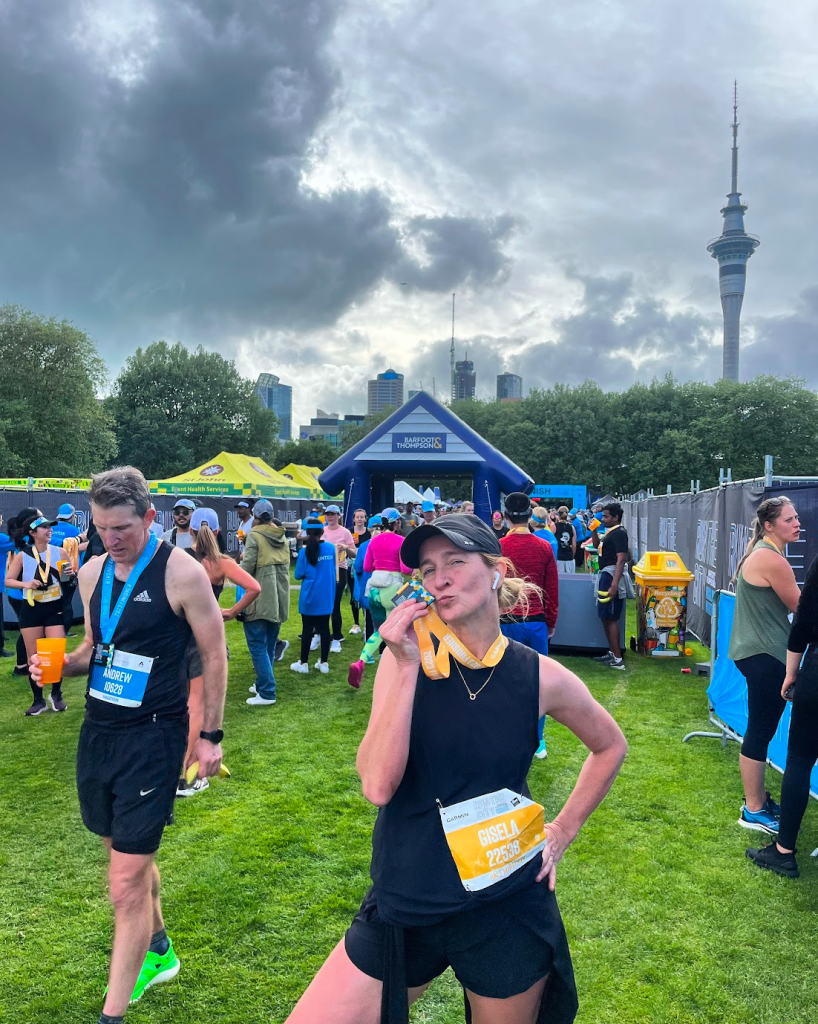
I’m in Auckland (Maori: Tāmaki Makaurau) to run a Half Marathon. An old colleague/friend convinced me to join her for New Zealand’s biggest and most iconic running celebration. And it only made sense. We had run the Marines Corps Marathon in DC together (twice!), the Loop Den Haag Half (almost! Since the event got cancelled the morning of the race, much to our relief). Had worked abroad together, vacationed together, and suffered through lockdown together. She now works in Hong Kong, and I am in Sydney, so meeting in New Zealand seemed like a sensible thing to do. As I said, it is all about the perspective.

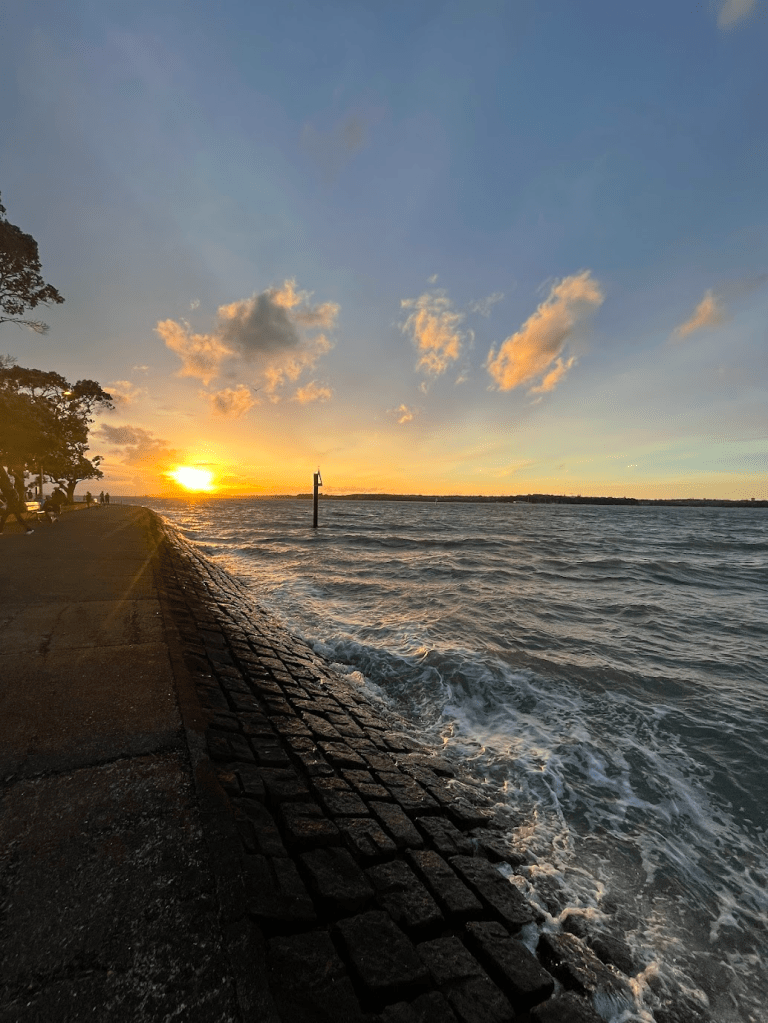
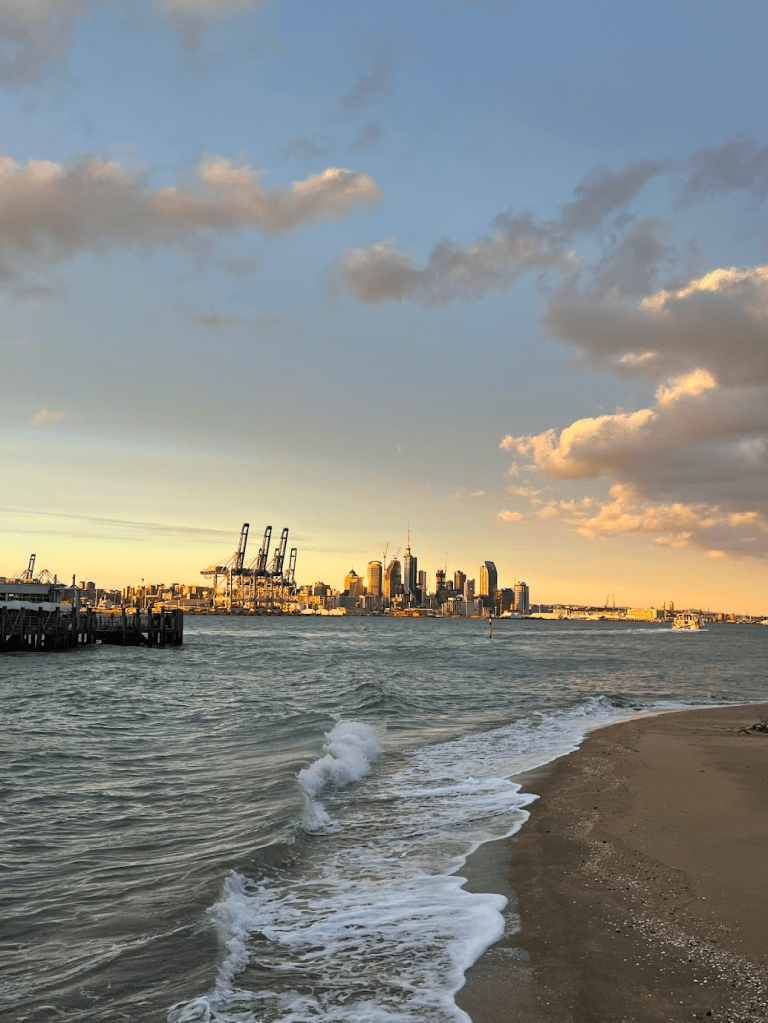
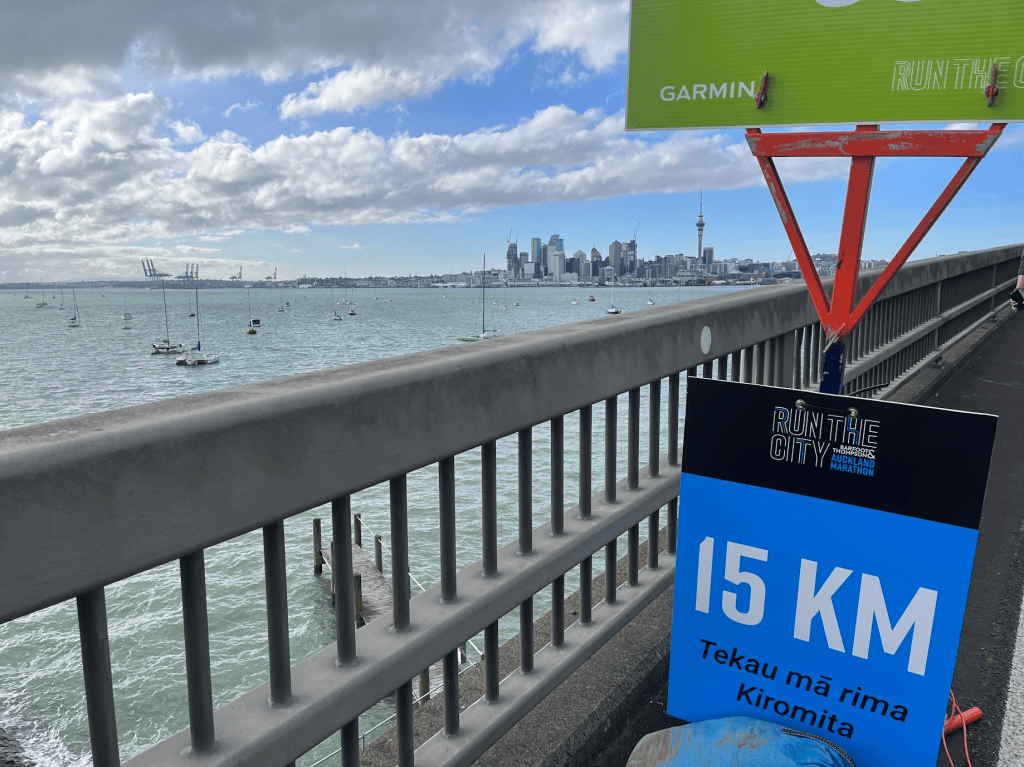
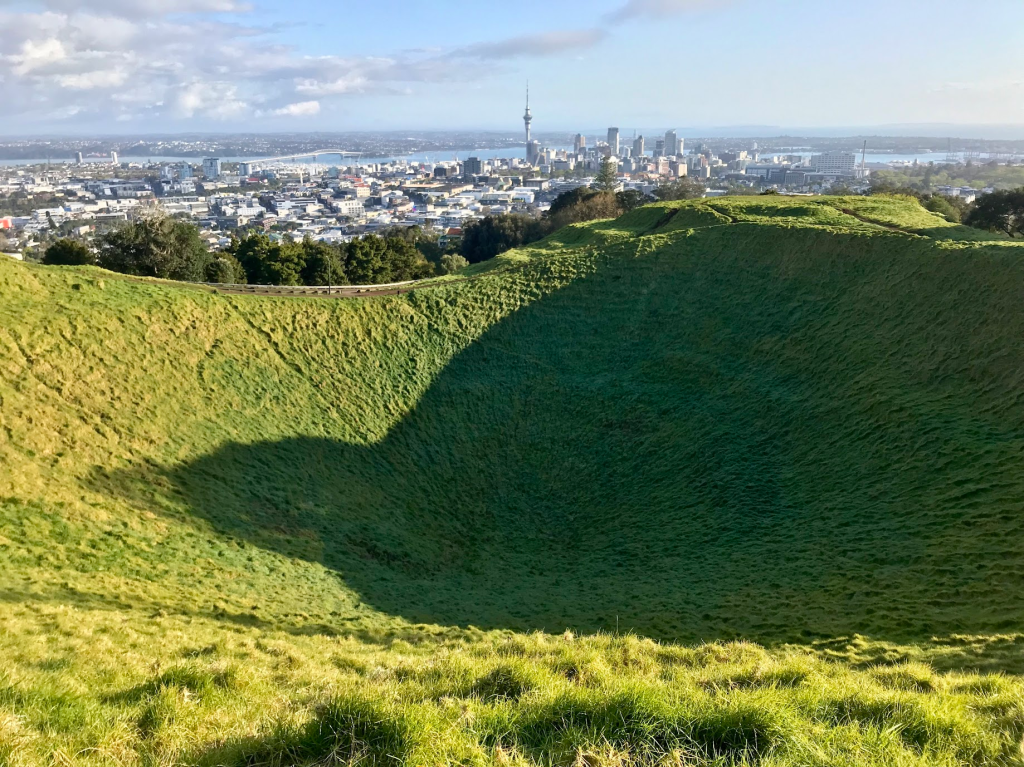
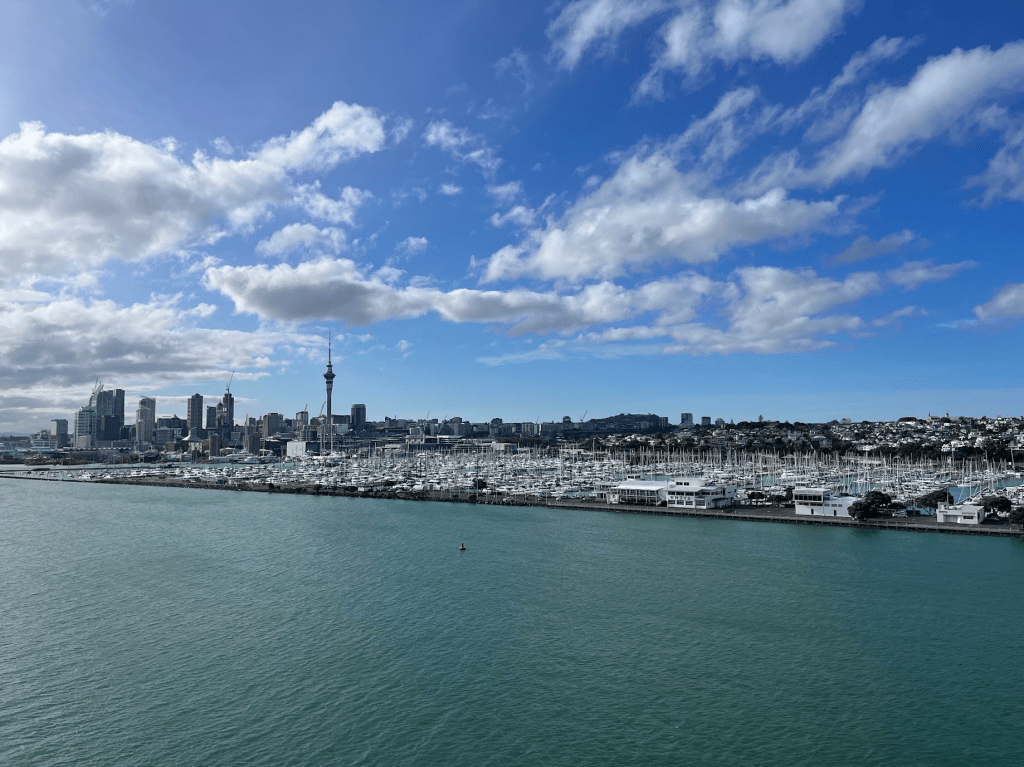
The Auckland Half Marathon. Fifteen kilometres into the race – my usual low point. And the course’s highest point: Auckland Harbour Bridge. Almost a kilometre long, 45 metres above the water, and me on top of it. At this point, not so much running anymore, but slowly inching along. One foot in front of the other. Being whipped around by gale-force winds – welcome to The Roaring Forties of New Zealand! Race bib flapping in the wind, one hand holding on to the bridge’s railing, the other one to my runner’s cap. Through my watery eyes, I see the skyline of downtown Auckland in front of me: the harbour, the Sky Tower, and in the distance Mt Eden (Māori: Maungawhau) – Auckland’s treasured volcanic cone-shaped mountain.

Due to the lack of significant speed at this point in the race, I am not only able to register the city’s highest natural point but also have time to think back to when I last visited Auckland in 2019. Different times, different points of view.

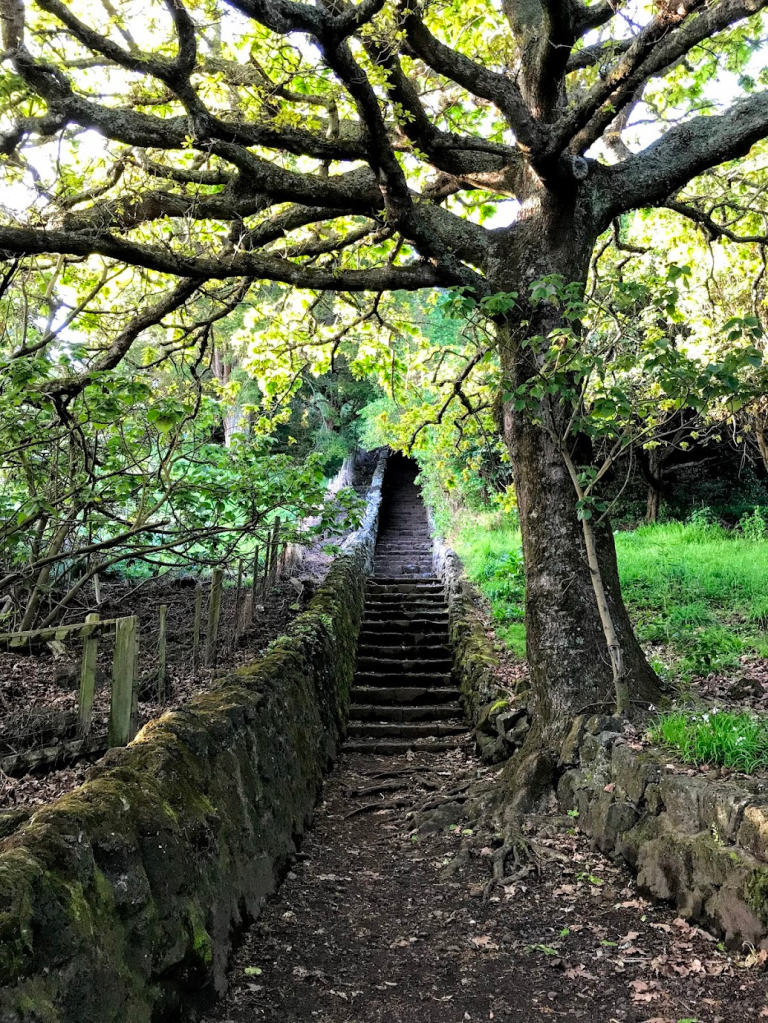
Travelling to New Zealand had always been my dream. Auckland, the first stop of my infamous “Everything Lord of the Rings” Tour. Upon my arrival, I had decided to walk up Mt Eden. This was my first real solo trip and everything seemed so much more meaningful. The lichen-covered stony stairs leading up to the top of the mountain, the grassy crater, the view of the city. This was my first time in The Land of the Long White Cloud, and I had never thought I would make it here. Let alone return one day.

Auckland Mt Eden 2019

But here I was – back in Auckland. Same sights, different perspective. Some sights are still the same but they feel different. Or even look different. The Expo Centre, The Cloud at Queens Wharf. Back then, host of a comic con expo, this time the venue for the Athlete Check-In. The same bookstore I visit, same parks, same waterfront.

I remember not really liking Auckland that much four years ago, unsure, where to go, unsure of how to travel on my own. My first dinner alone in a foreign city. Staying in a hotel room by myself. A strange mix of excitement and anxiousness. I remember always feeling slightly rushed – as if I had to go places to keep myself busy. Places like Mt Eden. A photograph of the enchanted old stone stairs still hangs on the wall of my home in Canada as a memory of this magical moment that I’ll never forget.

Maungawhau/Mt Eden with Auckland Harbour Bridge in the distance

And then there are new places I visited this time – new experiences and adventures: Waiheke Island for example. One of the top 10 Pacific island destinations, only a 40-minute ferry ride from Auckland. Home to boutique vineyards, and pristine beaches, olive groves and seaside villages, it offered me a new and very different side of Auckland. A lighter, brighter, and more playful version of what remembered from four years ago. Or maybe the place had not changed at all but me?

Together with my friends, we let ourselves drift across this small island. We stopped at vineyards along the street, sat in front of roaring fireplaces with a glass of wine, and talked for hours. Walked along white deserted beaches, collecting shells and watching white boats bopping on the turquoise waters of the island. Rummaged through tacky tourist shops in Oneroa and had French pastry in Surfdale. Wai meaning water; Heke meaning to ebb, drip, trickle or descend. Waiheke thus meaning “Trickling waters”. Just like the water, time on Waiheke trickled by. A welcomed slowing down of things around me.

The marathon is run, my friend from Hongkong has come and gone, and I am spending my last evening in Auckland. Bought a book in the familiar bookstore, that’s called “Everything is Beautiful and Everything hurts”, which describes my current state perfectly. No longer feeling rushed to tick as many items off my travel list as possible, I am enjoying my time in Auckland in front of the large TV screen of my hotel room, watching a very educational movie on Netflix and waiting for room service to deliver the burger and coke I ordered – post-race ritual.

Exploring new places for the first time is one of the joys of travel … but I realized that revisiting old places can be great too! Different weather, different activities, travelling with different people really changed the feeling I have for this city now. By returning to this place, I literally added another perspective to my experience of that place. And I never thought I would ever return to New Zealand, which makes it extra special.

It’s not just places which change over time – people do too! Your own eyes can become like new eyes over time, as you develop into a different version of you, who sees differently. This city may not have changed, but the observer has – I certainly have. I see and experience things differently from this past version of me. And from different points of view. From mountain top to windy harbour bridge. “The real voyage of discovery consists not in seeking new landscapes, but in having new eyes” (Marcel Proust).

Auckland from Harbour Bridge with Mt Eden in the distance

But if you please excuse me now – my BUTLERBOT has arrived, bringing me my dinner. Things have definitely changed around here. And I kind of like it. Cheers!

BUTLERBOT at MSOCIAL, Auckland

The Devil’s Details

Please allow me to introduce myself
I’m a man of wealth and taste
I’ve been around for a long, long years
Stole a million man’s soul and faith

And I was ’round when Jesus Christ
Had his moment of doubt and pain
Made damn sure that Pilate
Washed his hands and sealed his fate

Pleased to meet you
Hope you guess my name
But what’s puzzling you
Is the nature of my game

Sympathy for the Devil. The Rolling Stones
A bucket full of devils

In Grade 5, my son wrote a speech for school on the Tasmanian Devil. Dark fur, stocky build, fierce teeth. Looks a bit like a baby bear. Except that there are no bears here in Tasmania. Only possums and pademelons, quolls and wallabies. The Tasmanian tiger (extinct) and the Tasmanian Devil. Tasmania’s largest carnivorous marsupial. That’s the Tasmanian Devil.

Except that he did not – write a speech on the Devil. Instead, he presented the Wolverine to his classmates. Same thing in my memory – but it is not the same thing, the Tasmanian Devil and the Wolverine. Both look like miniature bears. Both have dark fur. Both are pretty aggressive animals. Both are ferocious predators and love their meat. But one has a pouch and the other one doesn’t. Small detail, huge difference. My apologies to my son. And the Tassie Devil.

For the last two weeks, I have been travelling through Australia’s southernmost state, Tasmania. On my journey, I noticed that the devil is in the detail when exploring a new place. Tasmania is a beautiful part of Australia – varied and ever-changing: cities and towns with a European flair, rolling hills and lush green fields, Eucalypti forests and wet dense rainforest, mountains and cliffs, beaches and crystal-clear waters. Just like the weather, you never know what to expect around the next corner.

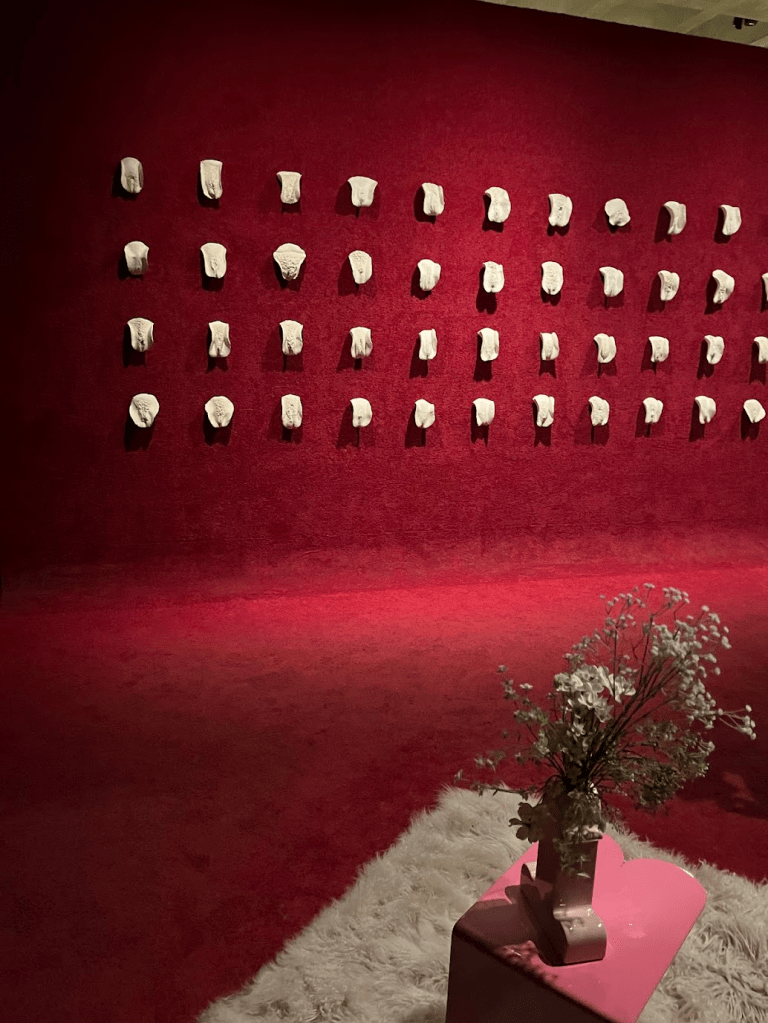
It is easy to like Tasmania when visiting the well-known sites: the curious Mona Museum of Old and New Art in Hobart (let’s count how many female genitals we can count, shall we?). The former convict settlements in Port Arthur (hey, let’s bring over 12000 British convicts to this colony called Tasmania and let them form a new community… What could possibly go wrong?). The wilderness of the West Coast, where mining brought fortune and fame to many, and left behind devastation and destruction. Cradle Mountain and glacial lakes, the vineyards of the Tamar Valley. And, last not but not least, the stunning East Coast with its tourist attractions: Bay of Fires, Wineglass Bay, Freycinet National Park. It is easy to like Tasmania.

The Mona Museum
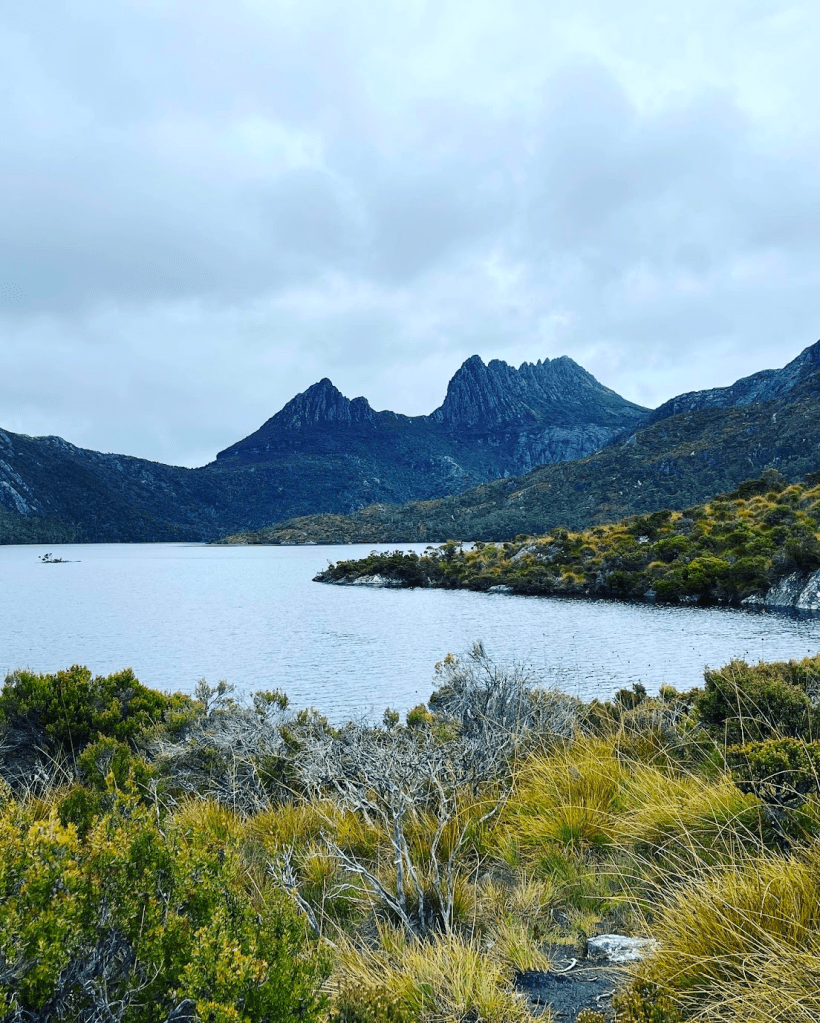
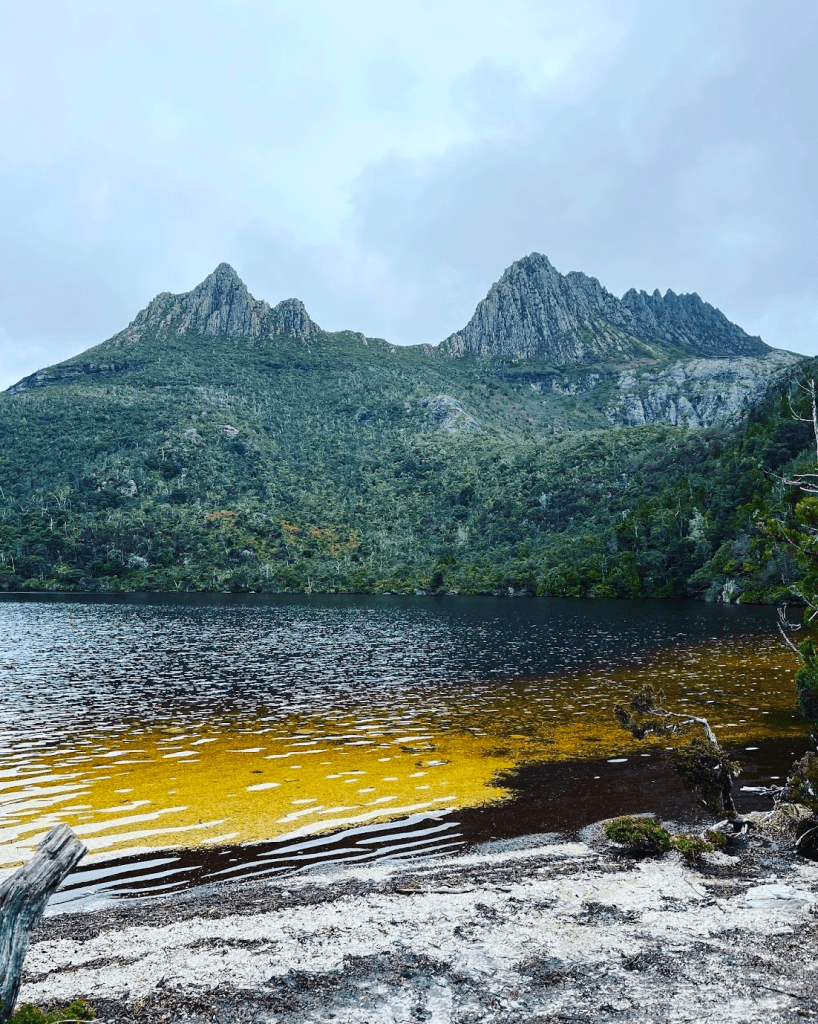
Cradle Mountain
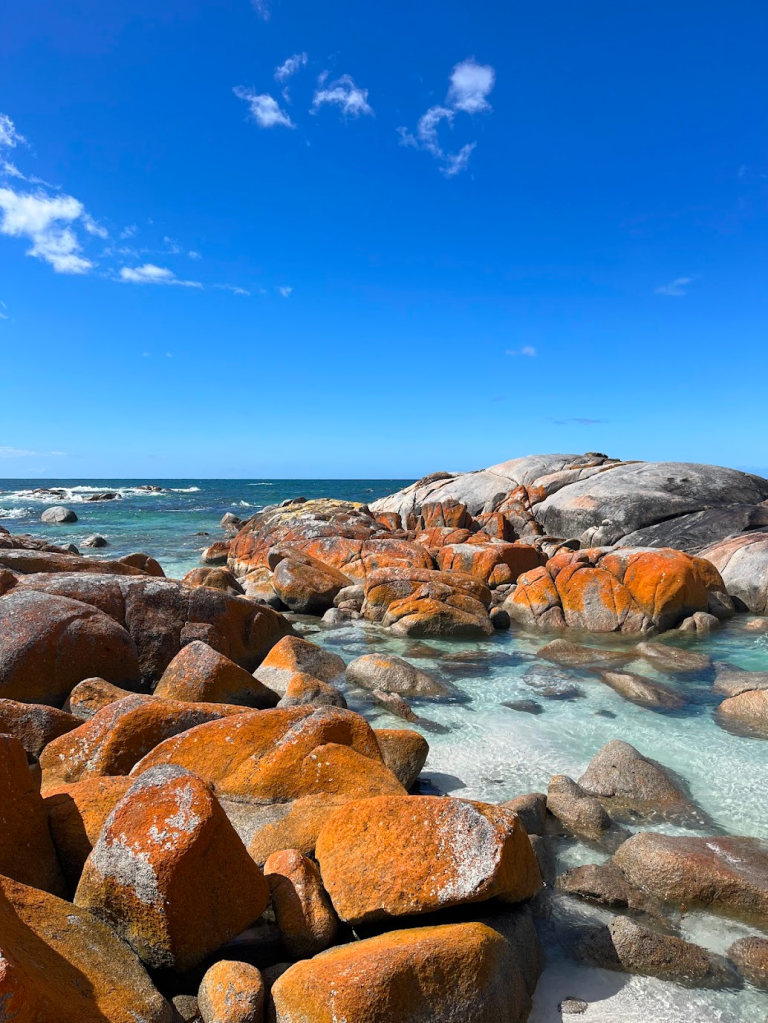
Bay of Fires

What made me fall in love with this place, were the little things. The details that you can miss so easily if you don’t take your time and pay attention.

The history of the Henry Jones Art Hotel and its display of local art was explained to us guests in a one-hour tour behind the scenes by a former teacher who hated his job and became the hotel’s curator instead (now, here’s an idea). Once home to a jam factory, now an example of a well-restored historic building that combines the old and the new. A glass of bubbly certainly helped to understand some of the art displayed.

Henry Jones Art Hotel, Hobart

The detail of the Airbnb in Zeehan, a five-hour drive west of Hobart and the first stop on my circuit tour of Tasmania. The verandah swing overlooking the wild valley full of eucalyptus forest and hills. The wallabies grazing in the morning mist and the light of the morning sun. The details.

The Lazy Prospector

The red iron-clad bathtub on the porch of the next house on the northwest shores of Tasmania. A bath in steaming hot water in the cold morning air, a cup of coffee and the grazing cows my only witnesses. If you don’t take your time, you might miss something incredibly important.

Black River

The things you see when you take your time to look. Like the wombat’s butt, I watched disappear into its burrow’s hole when going for a walk in the rainforest near Cradle Mountain. Or one of my students from Sydney, that crossed my paths not once but twice when touring Tasmania. The kid looked at me as if I was indeed the devil that haunted him. Poor fellow!

Dove Lake at Cradle Mountain

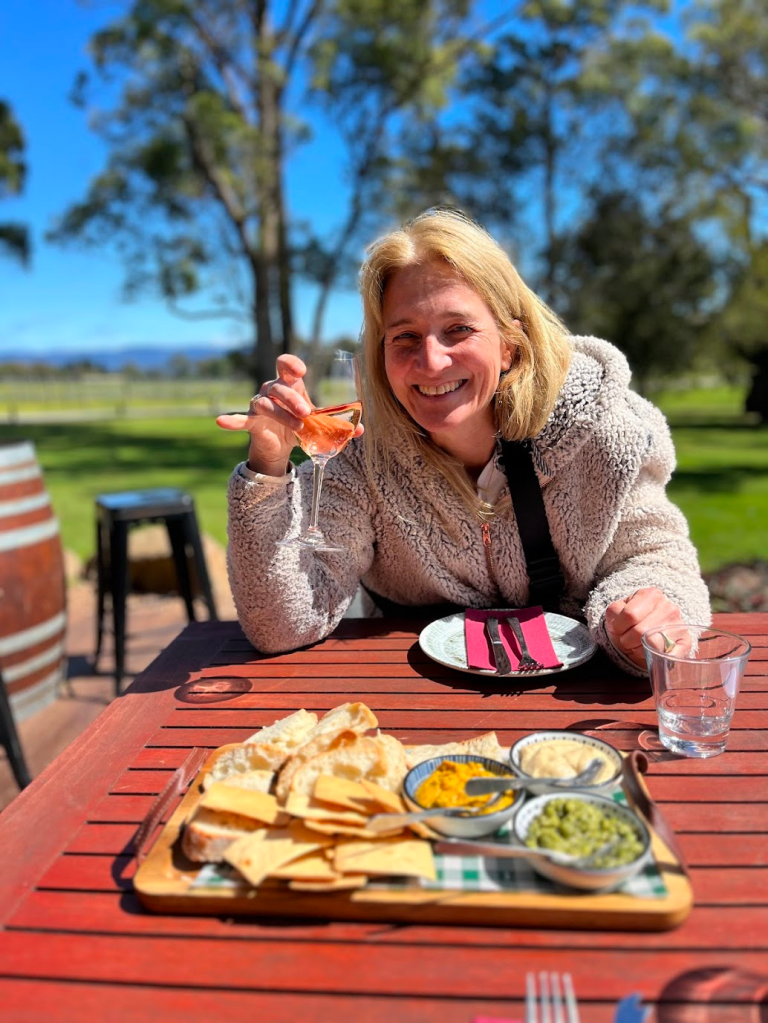
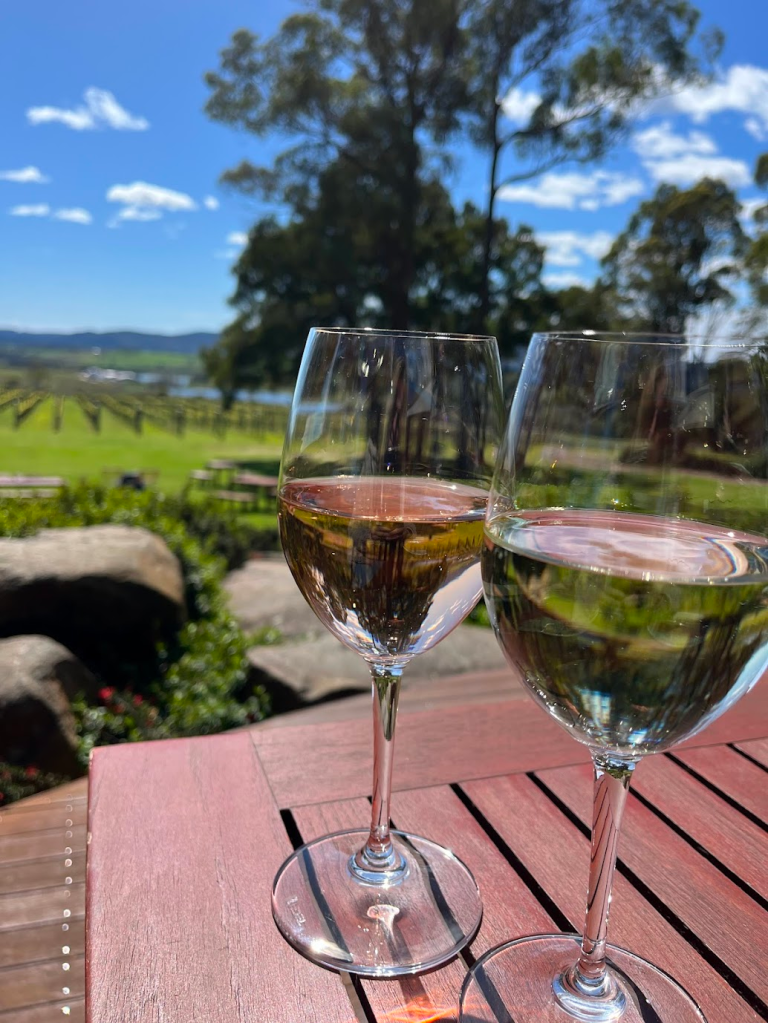
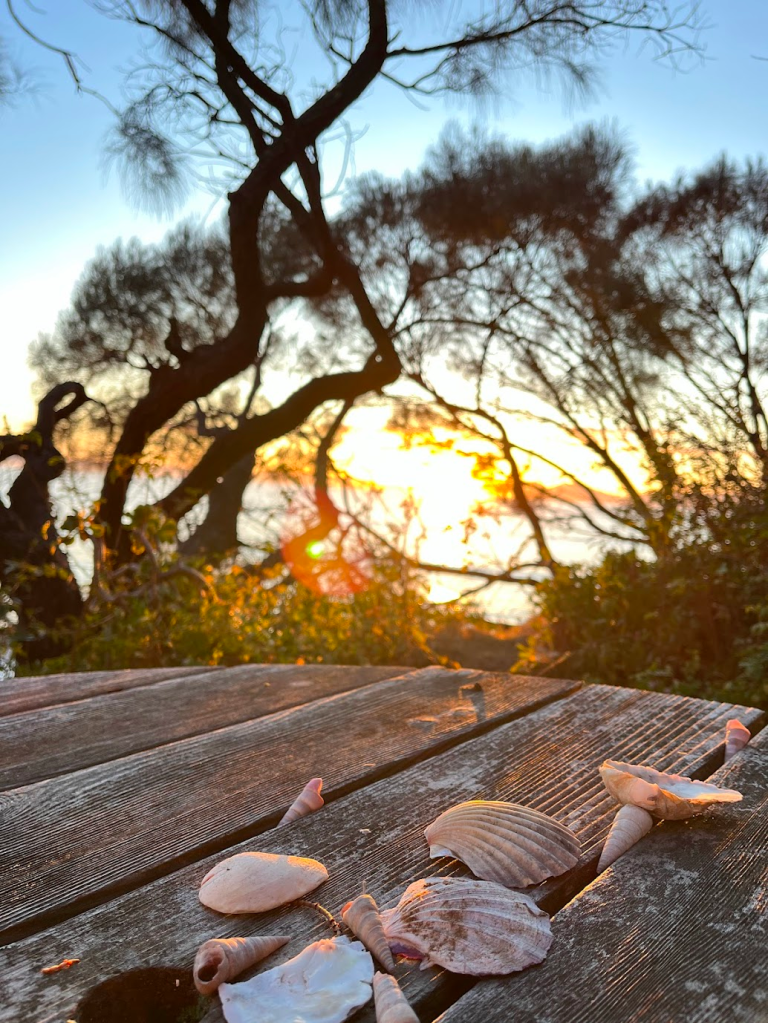
I loved having a glass of rosé wine and sunshine on my face at a winery near Launceston called Small Wonder Winery because it reminded me of the Niagara Valley and home. I loved looking for pretty seashells at the Bay of Fire because that’s the only thing that is missing at Sydney’s beautiful beaches. I loved the moonlight that shone on my bed at Freycinet and the stars in the night sky. Loved the sunrise that woke me in the morning and the roaring of the waves crashing against the rocks below.

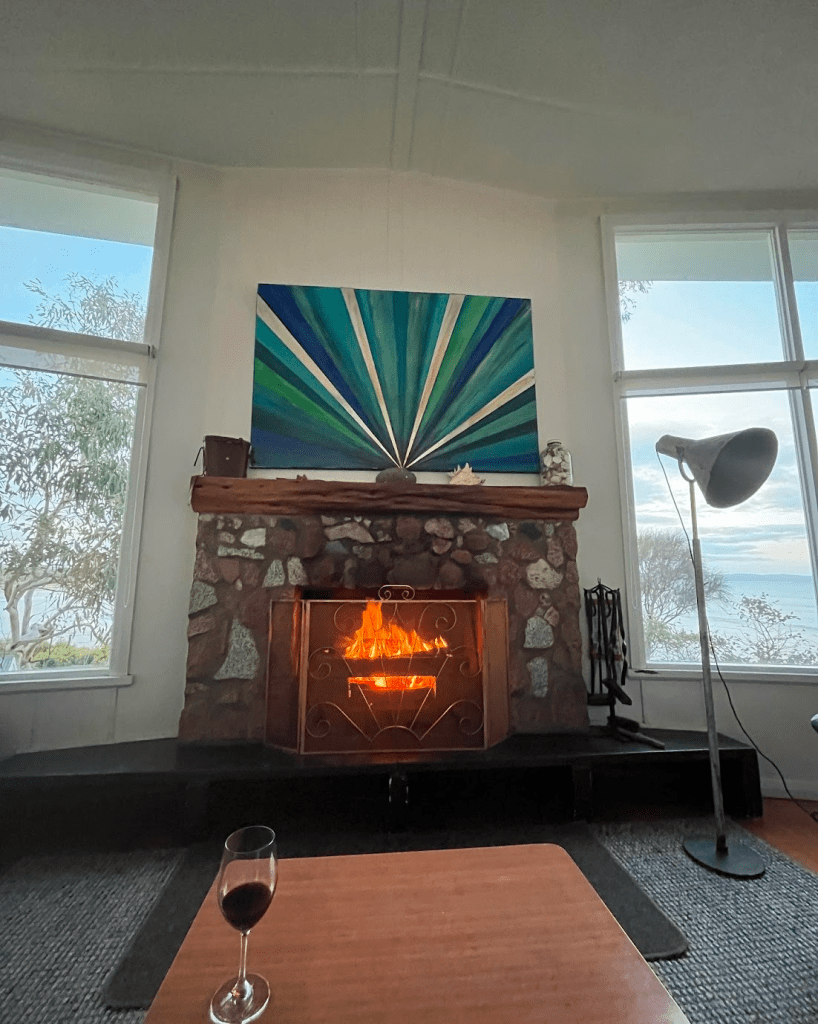
Today is the last day of my Tasmania trip, and I am tempted to check one more top attraction off my sightseeing list: Freycinet National Park and the famous Wineglass Bay are only an hour’s drive away. Instead, I am sitting at a yellow vintage dining table, overlooking the Great Oyster Bay. A fire in the fireplace in roaring, outside the window the crystal blue ocean is rolling. Where the water meets the sky. Shades of blue.

Great Oyster Bay
Freycinet National Park
The Hideout

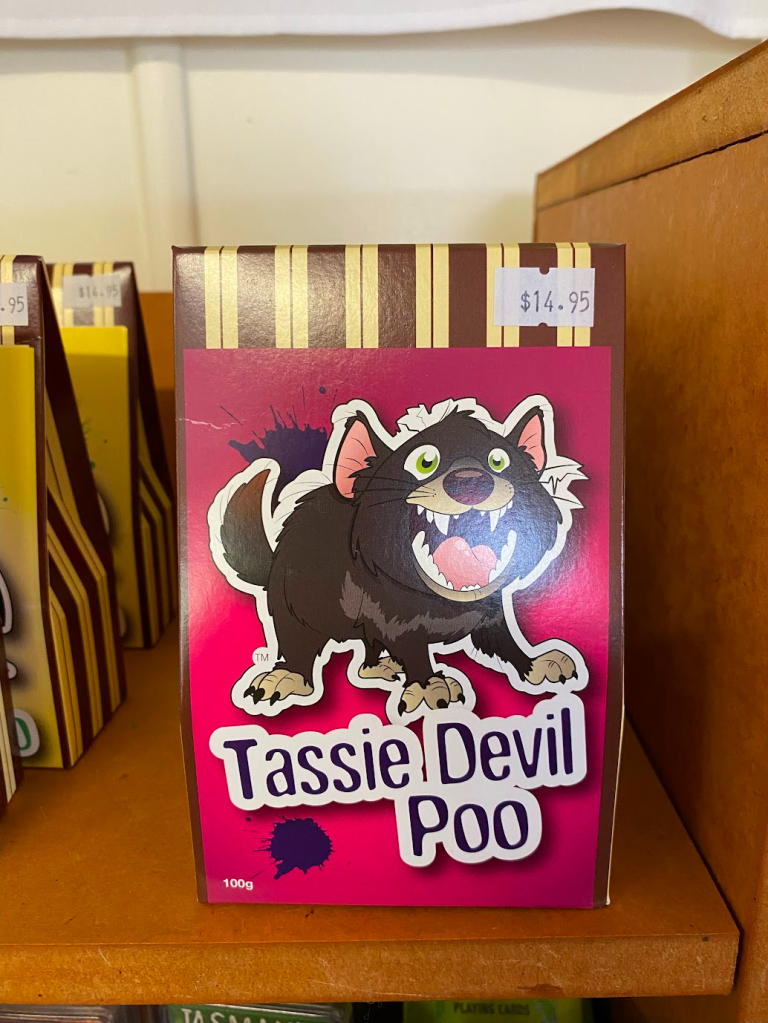
Somebody asked me if I had seen a Tasmanian Devil on my tour, and I said: No. Well, I have. The first one was a stuffed animal, and for sale at one of the tourist shops. The second one was equally lifeless, dead at the side of the road. Have I seen the devil in Tasmania? No, I have not. But I got a glimpse at what Tasmania is about and I have to say, I liked every little detail of it.

The Tasmanian Devil

Storyseats

a sheoak sigh as the breeze plays about her needles

the plaintive call of the black currawong echoing across the valley

a rustle in the leaf litter of a scurrying skink

the busy chatter of feeding honeyeaters

the crunch of gravel by passing walkers

the high trill of a flame robin calling to its mate

the buzz of bees amongst fragrant blossoms

the sharp screech of a black cockatoo flying overhead

the clack of loose bark as it bangs against it branch

the silent passage of seeds – released and cast

the distant roar of the ocean

Wind Song. Ant Hellier
Storyseat “Windsong”

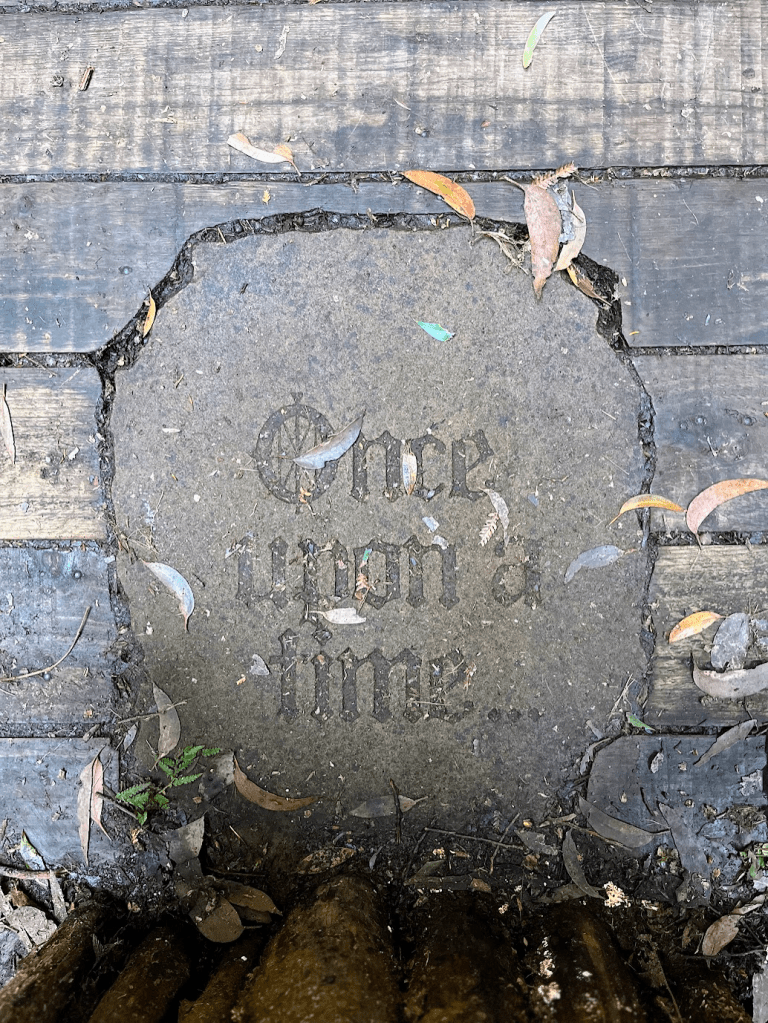
Once upon a time, a fair maiden wanted to travel to the unknown lands of Tasmania. The flying dragon had been tamed, the cottage prepared – even a carriage had been readied, though the fair maiden dreaded riding on it by herself. To make the adventure an epic one, the brave young lady had even hired servants to carry her up Castle Mountain. Everything was set for a dream come true.

But a spell was cast upon the lands and a great illness swept across all countries near and far. The fair lady was forced to return to her home castle and remain behind closed gates until the evil spell had been broken. No hiking, no riding on the wrong side of the road, no Tasmania. Yet the fair lady never forgot about her dream. It remained dormant inside her for years like the seed of a banksia pod waiting for fire to be released.

Storyseat “Once upon a time”

Many moons later, three and a half years to be exact, the maiden – though not so fair anymore but brave and determined – got another shot at travelling to the Island Off An Island: Tasmania. And so it happened that one gloomy, cold Monday morning, she got dropped off at the shores of Tasman Island, nothing to herself but a heavy rucksack that weighed many stones but a smile on her face. Her dream was about to come true. She would brave the treacherous peaks and valleys of the Three Capes Track.

Denman’s Bay
Three Capes Track

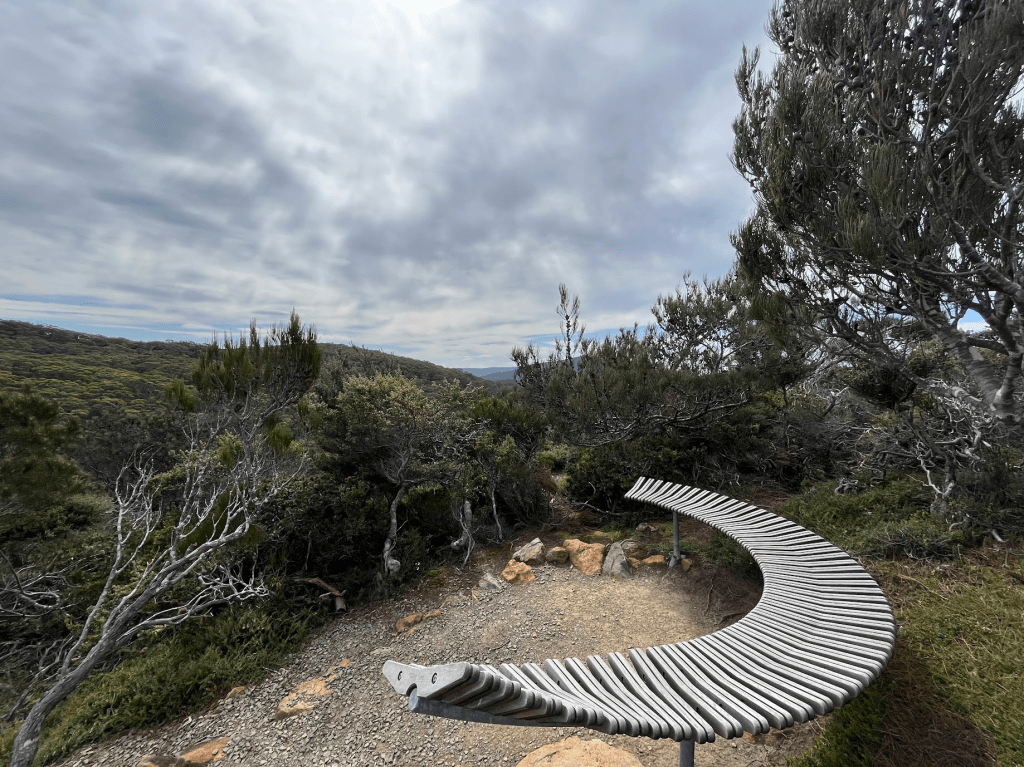
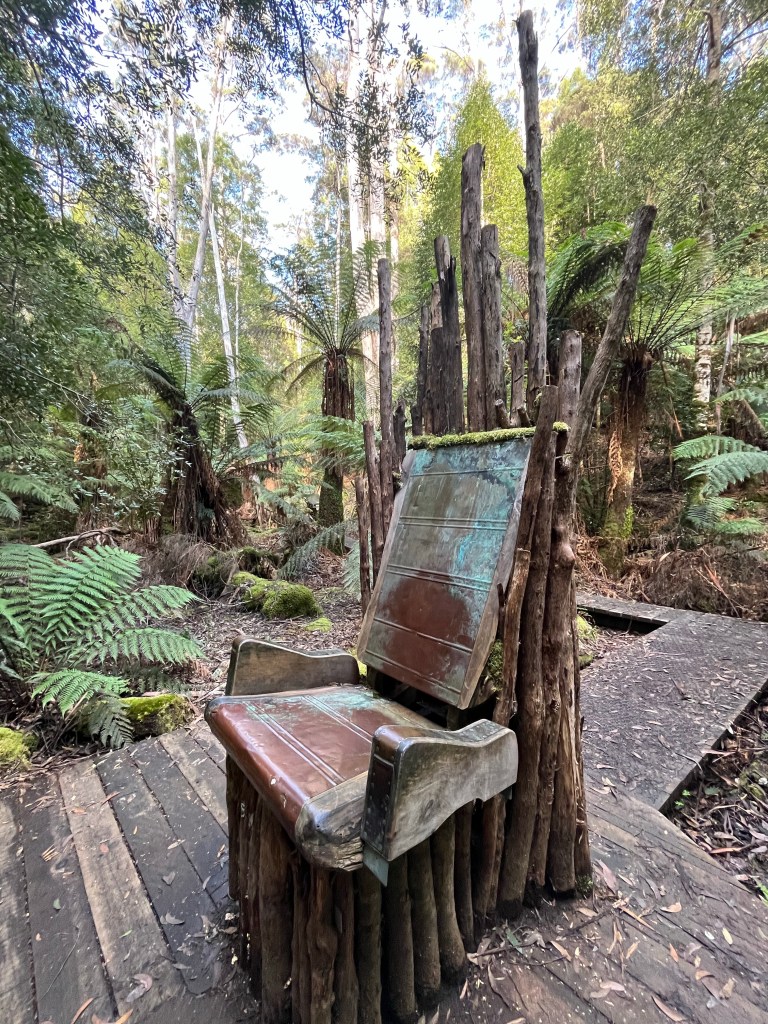
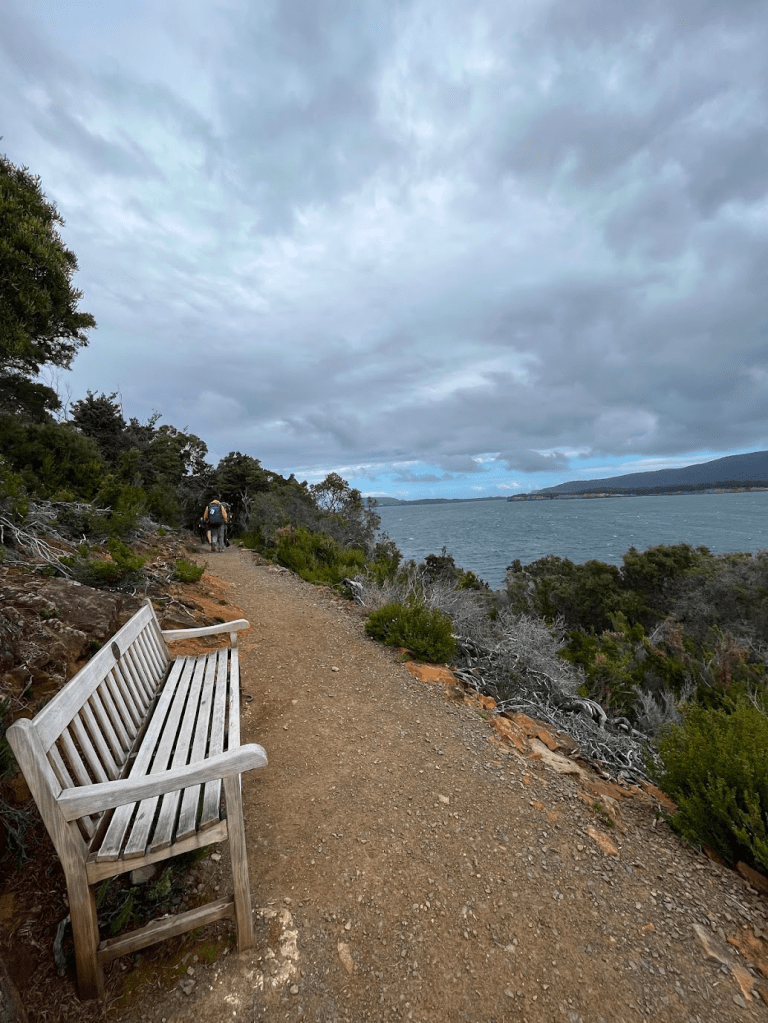
A few hundred metres into her journey, the brave woman came upon a withered, wooden bench. A great lover of these places of repose, she sat down and looked over Denman’s Cove, where just moments ago she had been dropped off. The weathered plaque read Dear Eliza and marked the first of many more Storyseats to come. Storyseats to guide her along her way to the Capes – this one remembering the many thousands of convicts that had been brought over from England over 200 years ago to build settlements. Forced and lonely labour, as a letter those days often took over a year to arrive. If it arrived at all. A bit like walking the Three capes, with no internet connection for days.

Storyseat “Dear Eliza”

That day the woman, who shall be called Lady G, walked for another four kilometres and came upon another magical story seat, Waving Arms until she arrived at her first cabin, the Surveyors cabin, where – after a simple meal of dried Boeuf Stroganoff and a swig of whisky to keep away the bad spirits – she collapsed onto her bunk bed and slept a deep, dreamless sleep. Her encounter with a possum, in the middle of the night on her way to the toilets, marked her first face-to-face with the local fauna.

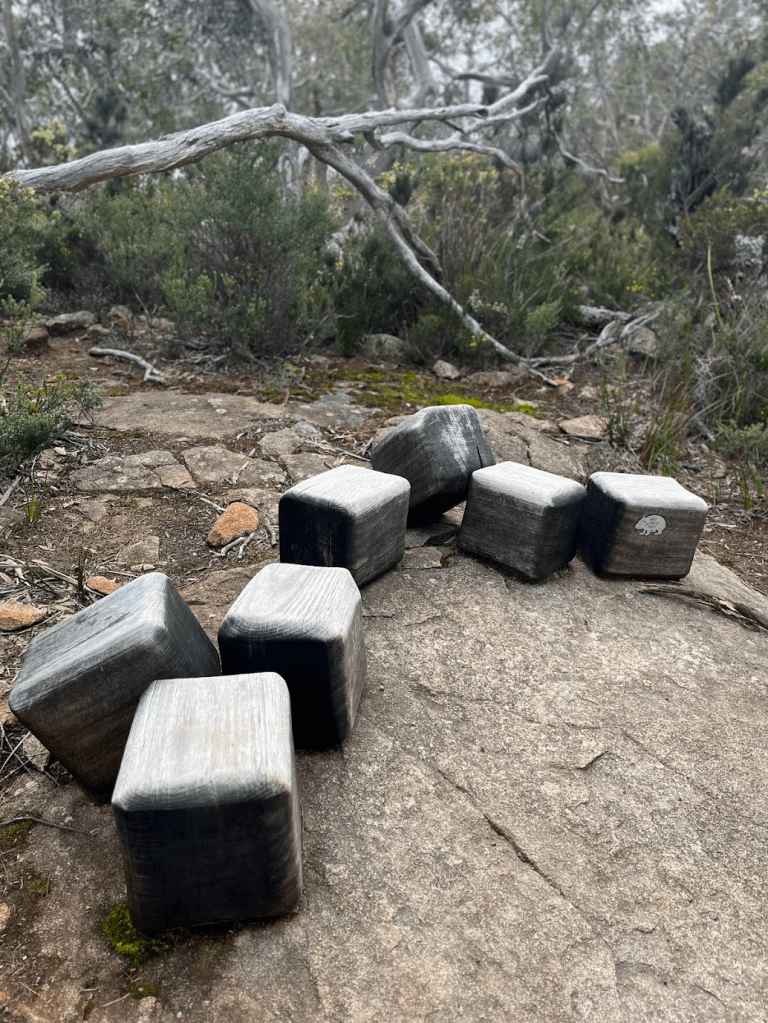
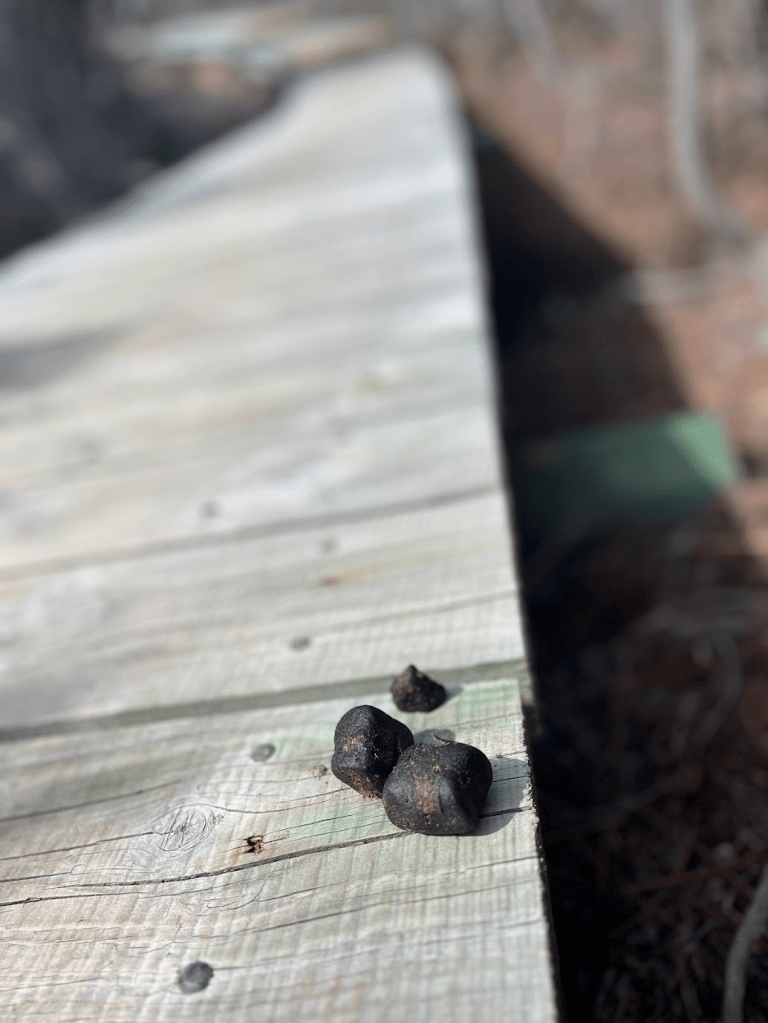
A Brushtail possum, she learned the next day with the help of a local poo guide. The possum’s poo, cylinder-shaped and much like a chocolate licorice bullet in shape and size, was easy to distinguish from the cube-shaped wombat deposits that could be found along the track of Day 2. And sure enough, the next storyseat she found herself resting on after having walked through wombat county, was called Who was here? Dry open eucalypt woodland with low shrubs and grasses, old fallen logs and branches, and plenty of cube-shaped wombat scats. It was said that the wombat only went to the toilet every 16 days. The young lady could certainly relate to that.

Storyseat “Who was here?”
Real cube-shaped wombat poo

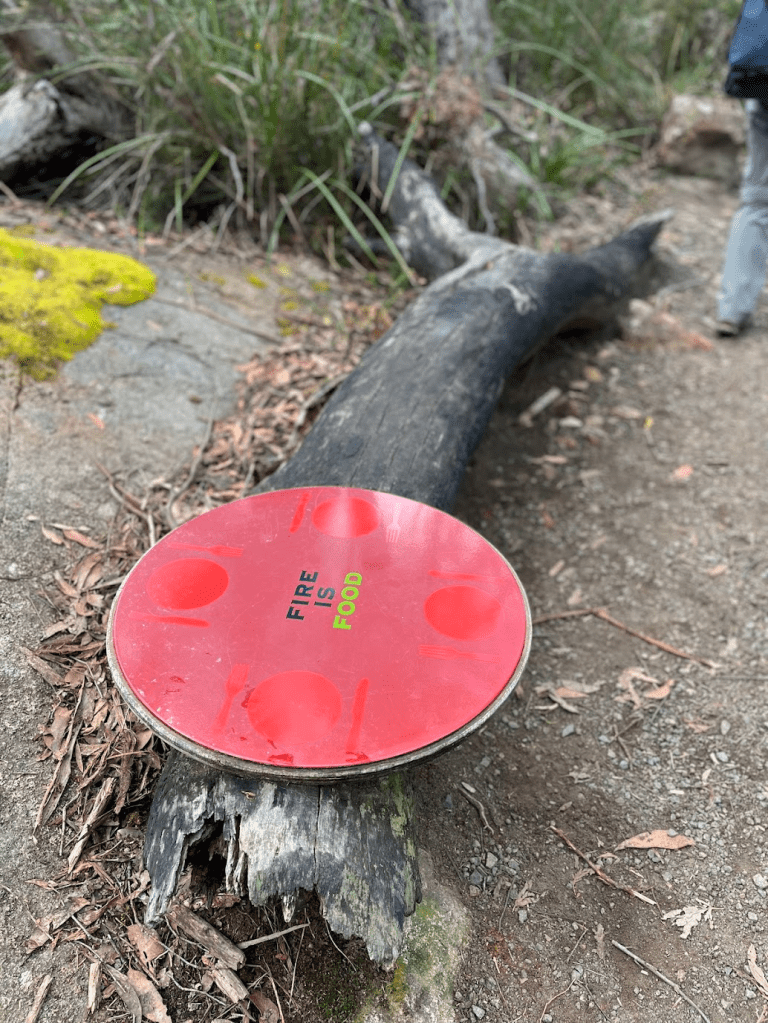
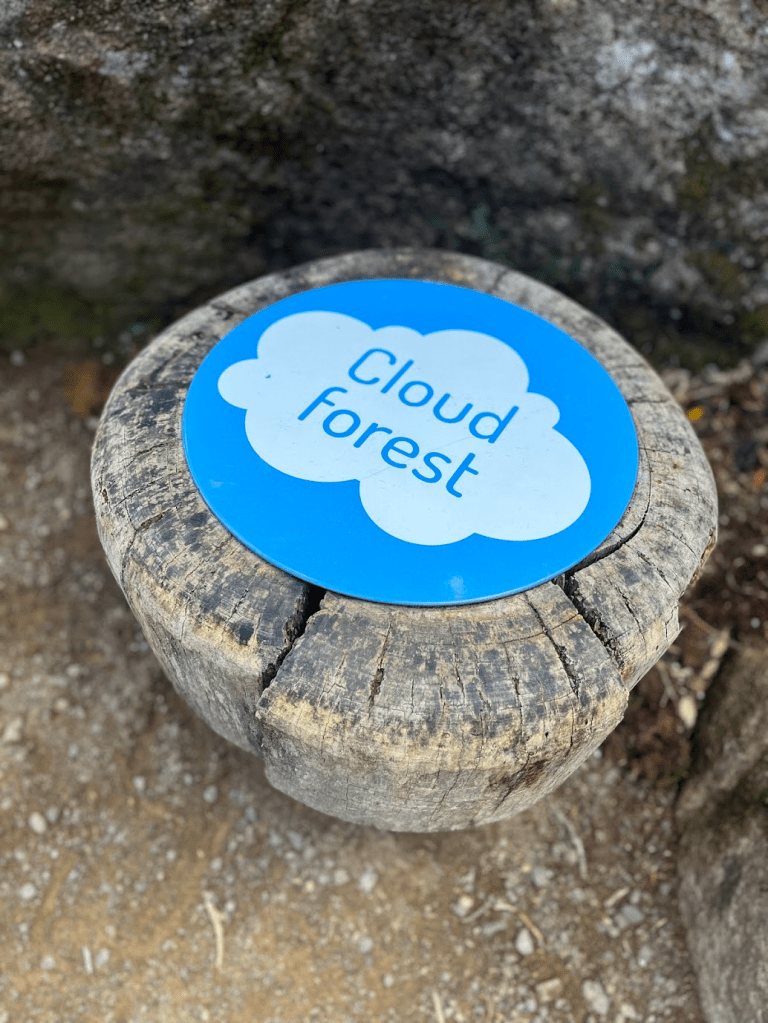
The track that day took her through burned bushland (Fire is Food), rock slabs and shades of dolorite (Jurassic Crack), wet forest and rainforest (Cloud Forest), and windswept heath blooming with yellow and white and pink tiny blossoms (One Small Patch).

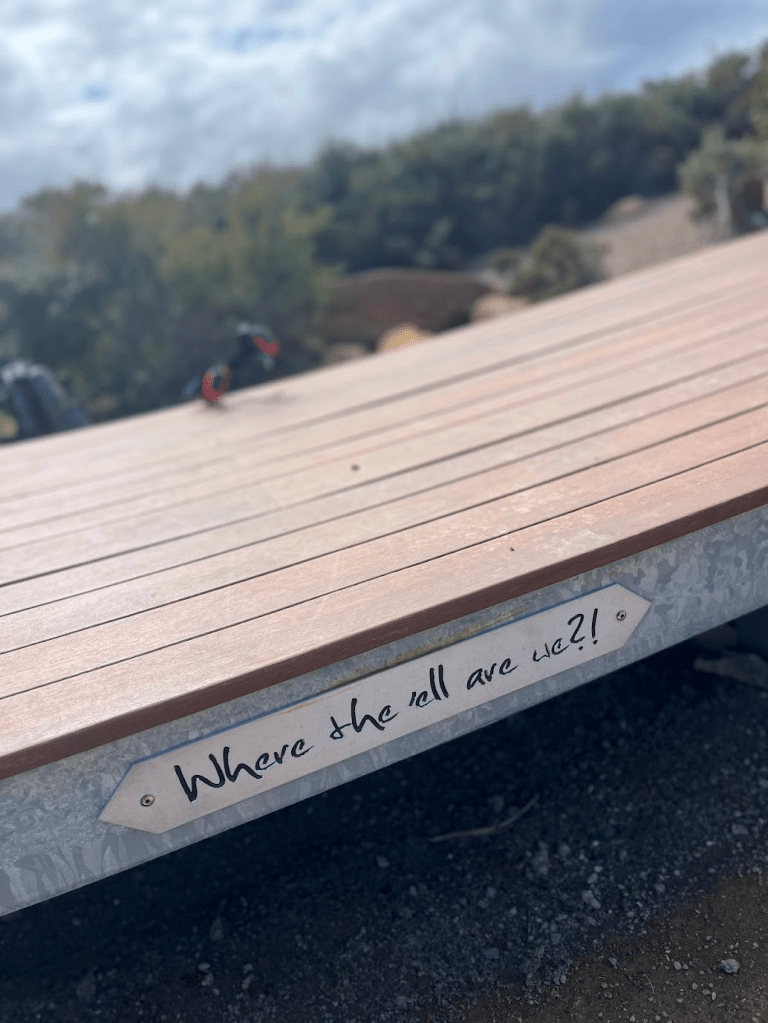
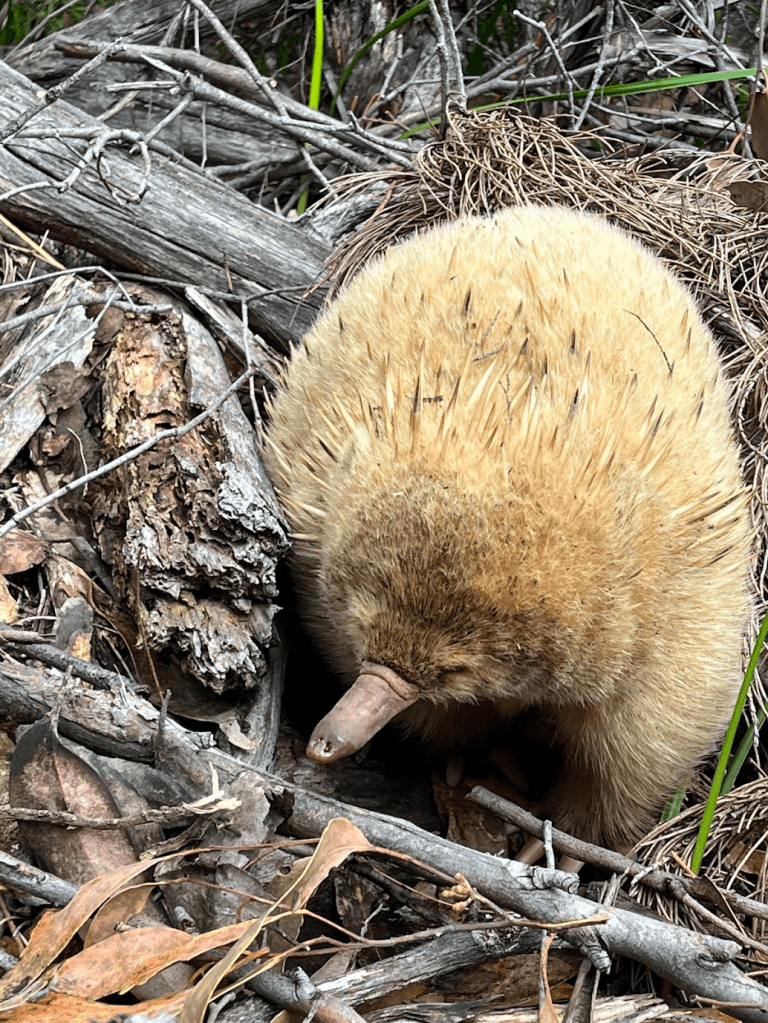
She walked and walked along the shoreline towards the distant Cape Pillar and Tasman Island and wondered where the hell she was (Where the ‘ell are we?). She encountered the rare white echidna, who was busy sucking up ants with her long pink snout. The echidna, she learned at the next storyseat Love in the Woods, laid a soft-shelled egg directly into her pouch to incubate it for ten days until her little ‘puggle’ hatches. She also learned that the male echidna had a four-tipped penis – no wonder the female echidna preferred to raise their young on her own.

Storyseat “Where the Hell Are We?”

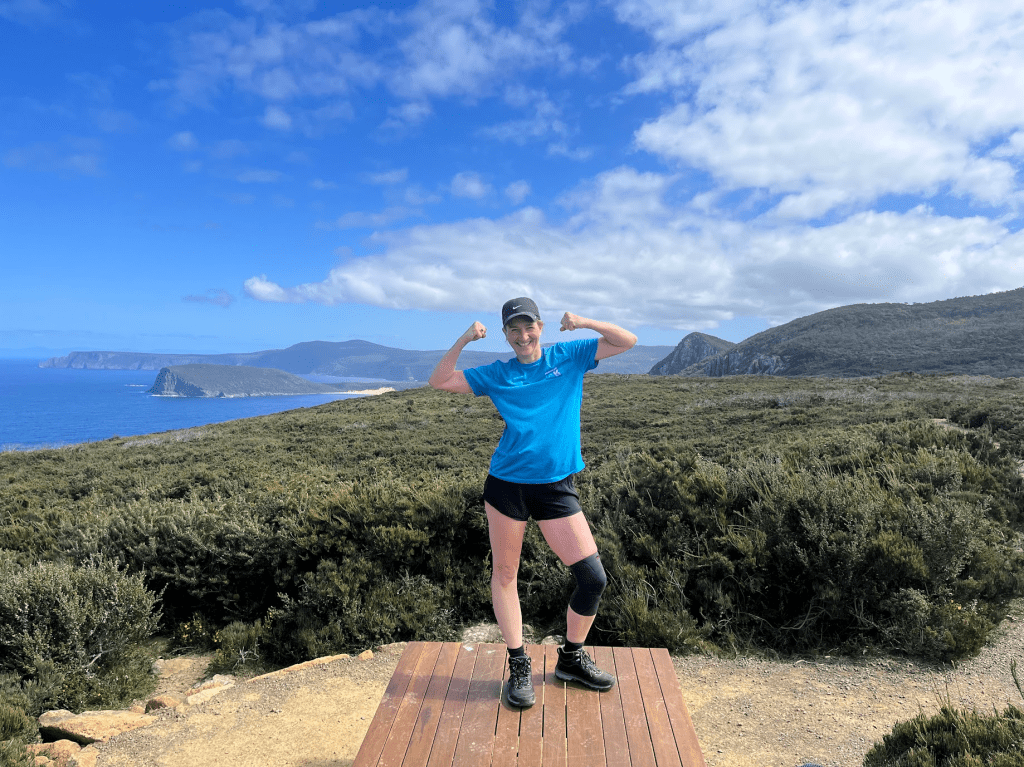
After 11 kilometres and 4 hours of walking, Day 2 was done and Lady G arrived at hut number two, ‘Munro’. After another measly meal of dried Pulled Barbecue Pork (which tastes just like the Boeuf Stroganoff), she retired to bed at 6:30pm, dreaming of spotting a Tasmanian tiger in black silk pyjamas.

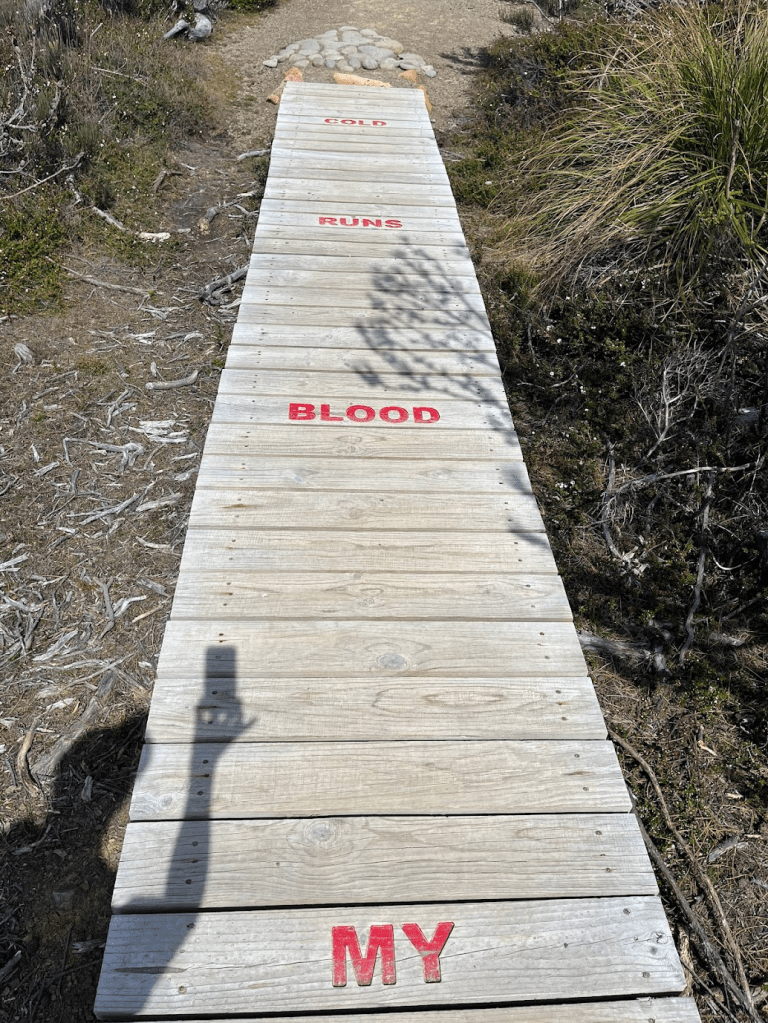
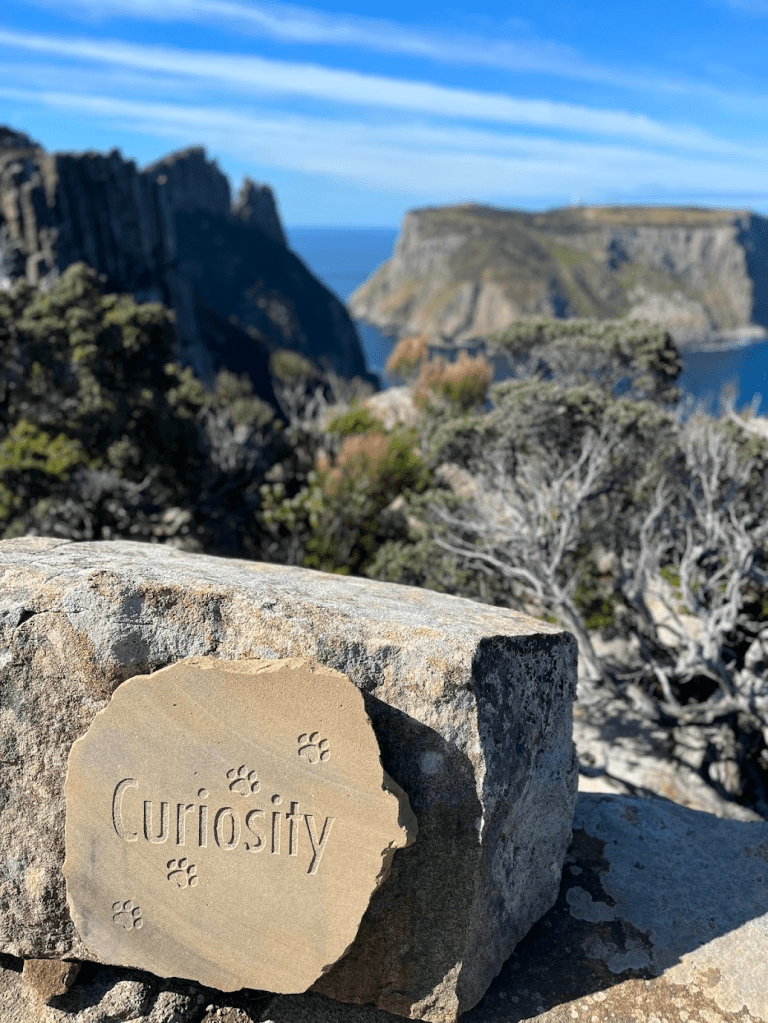
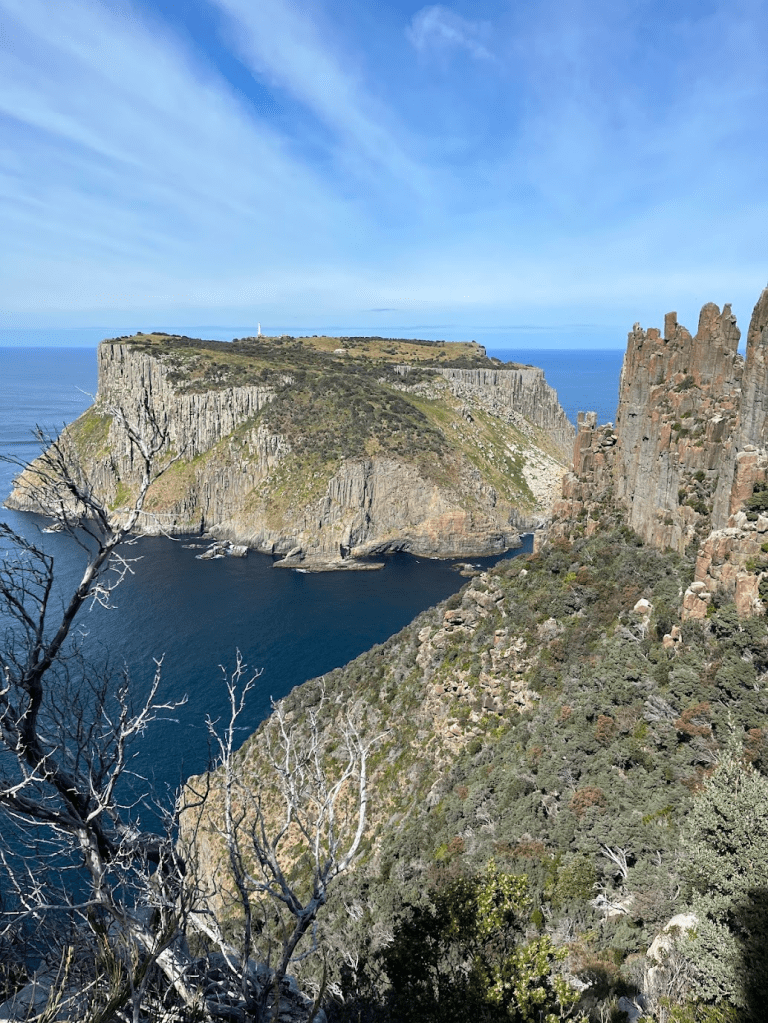
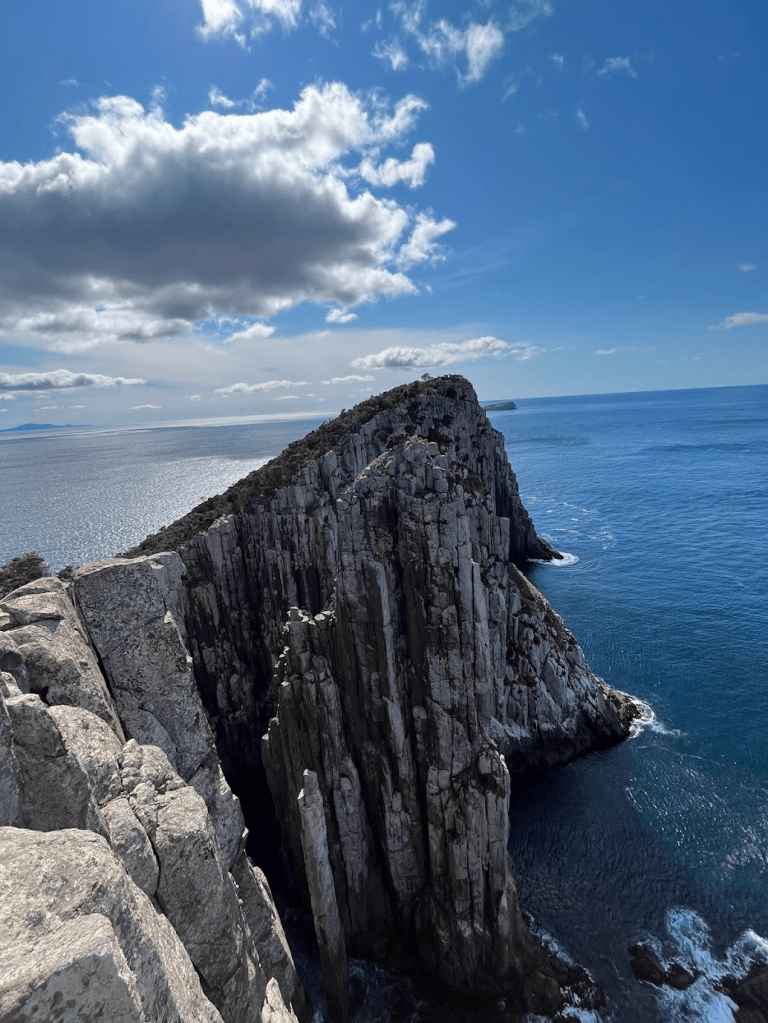
Day 3 was off to a good start, as milady could leave her heavy backpack at the cabin to climb dizzying heights out to Cape Pillar and back. The length of this walk allowed her to rest on many storyseats along the way: My Blood Runs Cold, where she spotted a Tiger Snake soaking up the sun, lying across the boardwalk. Black and long and terribly venomous. The Lighthouse Keeper’s Daughter, that told the sad tale of a lighthouse keeper’s life. Curiosity that taught her what happened to the two cats the lighthouse keeper left behind and the dozens of offspring that turned feral. All of which got killed – just like the Tasmanian Aboriginal People of the area, the Palawa, that were killed by the English during the Black War (1825-1832). The Dark Side of history.

Storyseat “Blood Runs Cold”
“Curiosity”
Tasman Island Lighthouse

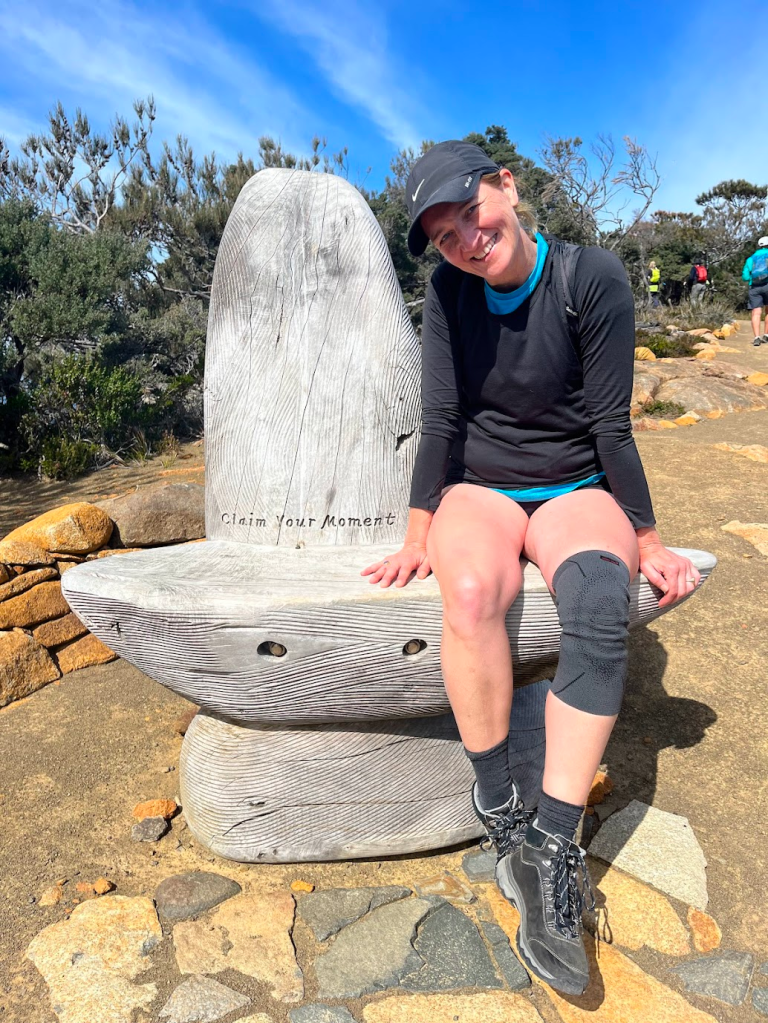
After 19 kilometres and 6 hours of walking, Lady G had made it to the first cape and back, and truly claimed her moment!

Storyseat “Claim Your Moment”

Day 4 was the last day of her adventure but also the hardest. 16 kilometres in length, over 3000 steps to climb. The heavy rucksack cut into her narrow shoulders. The hot Tasmanian sun burned down on her low-hanging head. She felt, indeed, as if she was crossing through The Dark Side and The Underworld. The two hobbits Frodo and Sam on their way to Mordor were on her mind.

Storyseat “The Dark Side”

On her journey, she heard orcas sing. She saw whales and dolphins swim in the Tasman Sea. The Humpback Whale swims 10,000 km round-trip to have its babies. Lady G felt as if she had walked almost as much – and only to have an adventure! But then she reached it – the second Cape – Cape Hauy! She was ready to throw her own ring into the fire. But no Gandalf on an eagle was there to sweep her up and carry her home. She had to walk the final stretch herself.

Storyseat “Far Flung”
Up, over, out, and back!
Cape Hauy

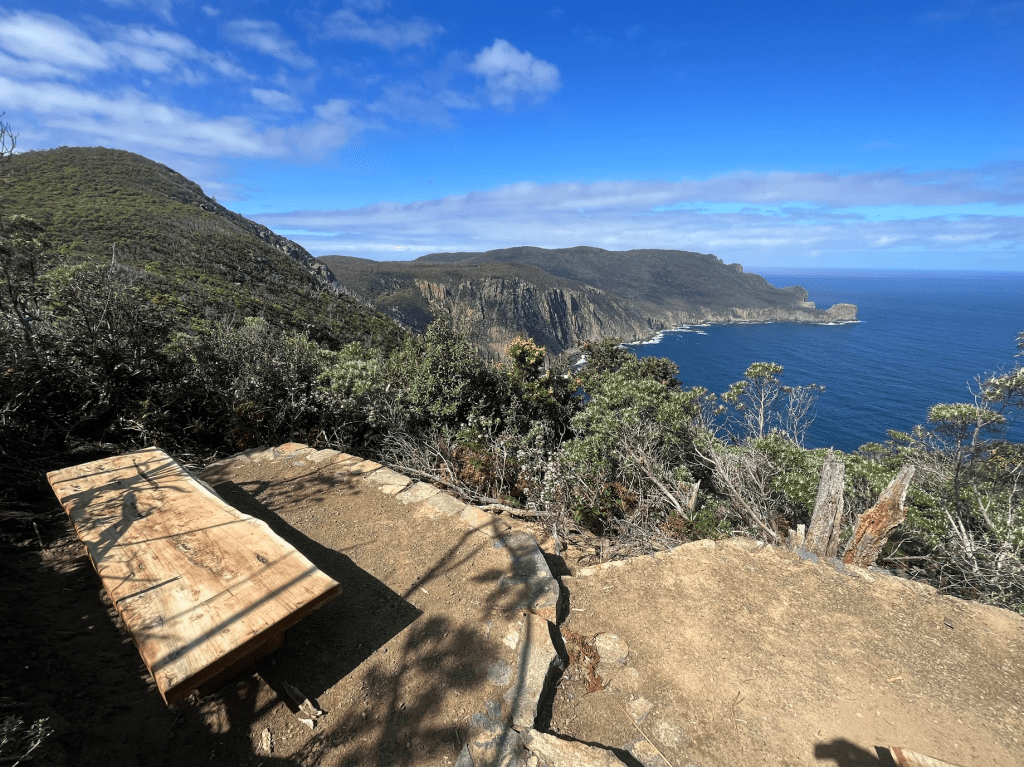
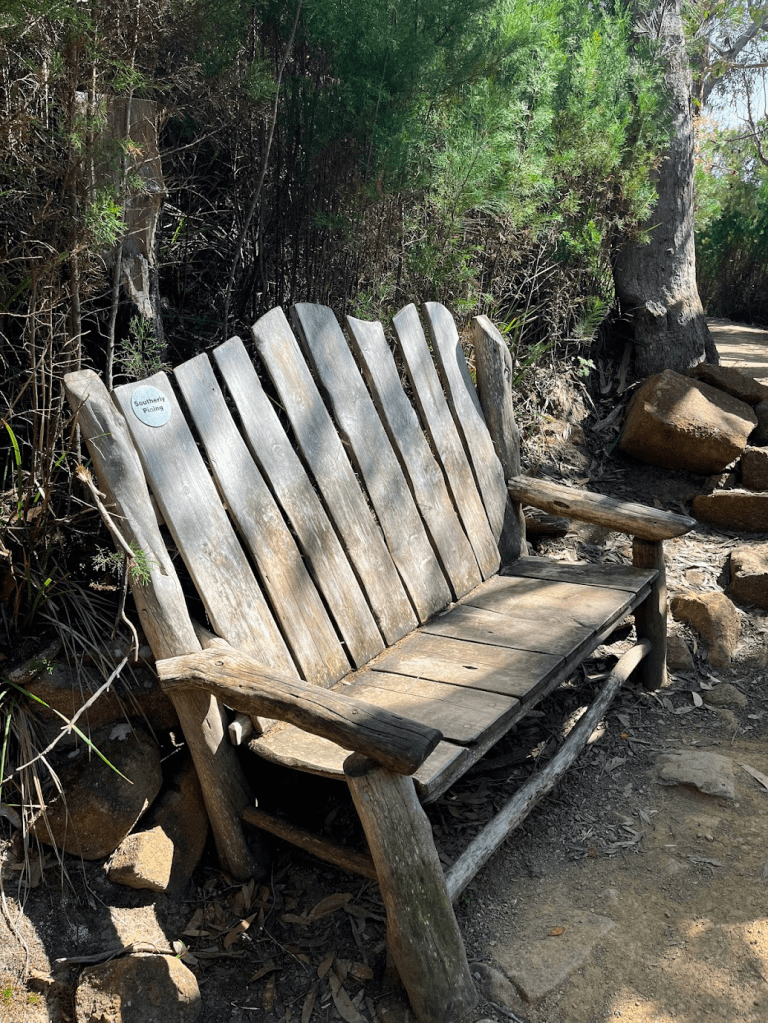
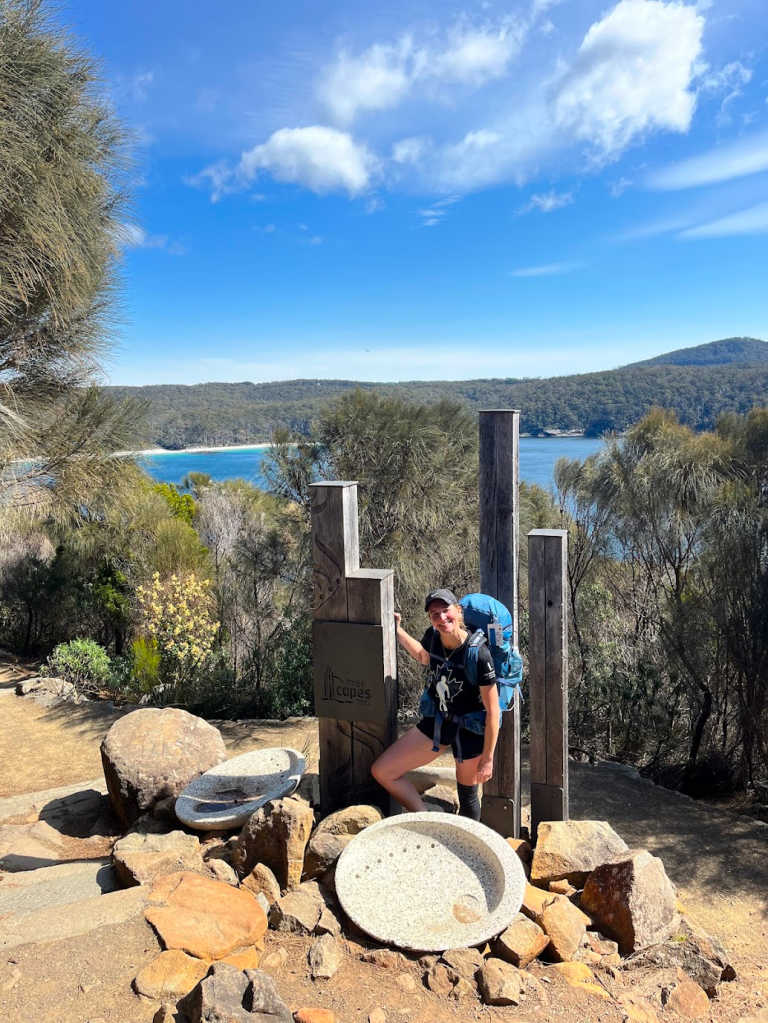
After having made it to Cape Number 2 and back, she was glad to rest on the final storyseat, the Southerly Pining, overlooking the clear turquoise waters and the white squeaky sands of Fortescue Bay. She had made it – she had walked the Three Capes Track (though really it was just two they reached) and fulfilled her dream of hiking in Tasmania.

Storyseat “Southerly Pining”
Photo Finish at Fortescue Bay

And she lived happily ever after. The End

Storyseat “Once upon a time”

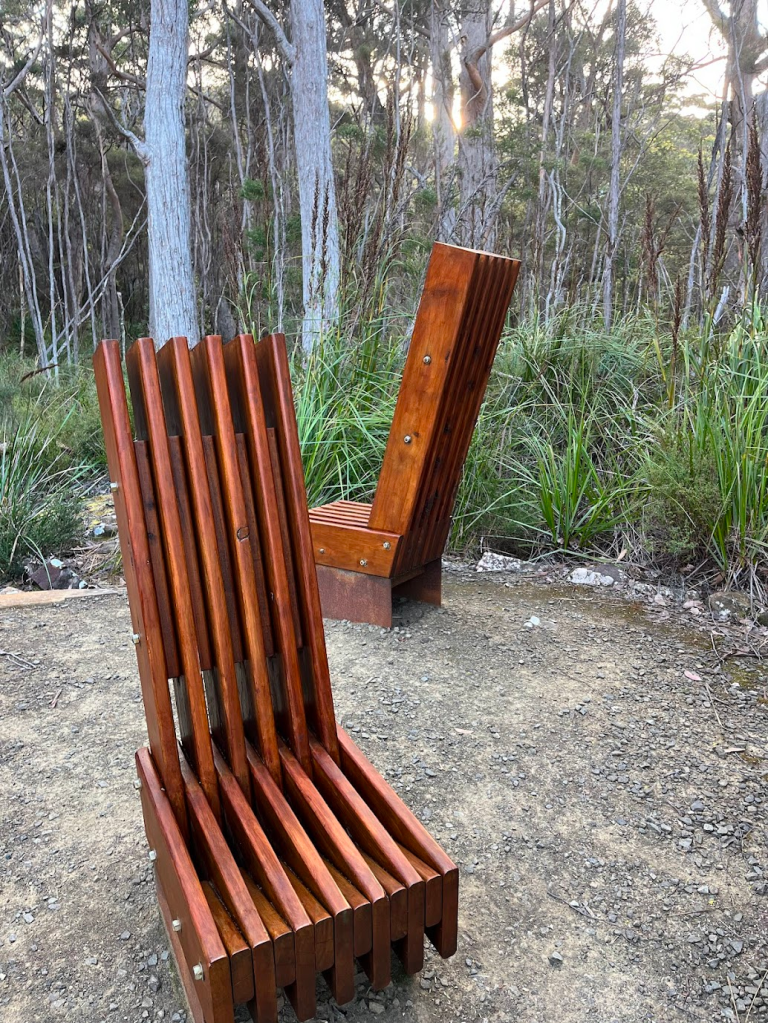
(The Three Capes Track offers 41 unique storyseats designed and installed along the track by furniture design students and lecturers over two years 2015-17. All stories and encounters can be found in the trail guide “Encounters on the Edge”.)