
Day after day I
think of you as
soon as I wake up.
Someone has put
cries of birds on
the air like jewels.
– Anne Carson
I heard them before I saw them.
The early morning was quiet, nothing but the hum of my mobility scooter on the gravel road and the faint roar of the ocean in the distance. I rolled past the little supermarket and the ancient, weathered graveyard, on my way to Ned’s Beach to watch the sunrise. And then, all of a sudden, as I entered a small patch of forest, the air erupted: moans, wails, and strange crooning sounds rising from the ground. It was still dark, and in the beam of my scooter’s headlight, chaos. Dark, chocolate-brown seabirds shuffling out of the trees onto the road, others throwing themselves out of the darkness straight into the light. Flesh-footed shearwaters, the island’s muttonbirds, leaving their burrows for the open ocean. Or at least trying to.
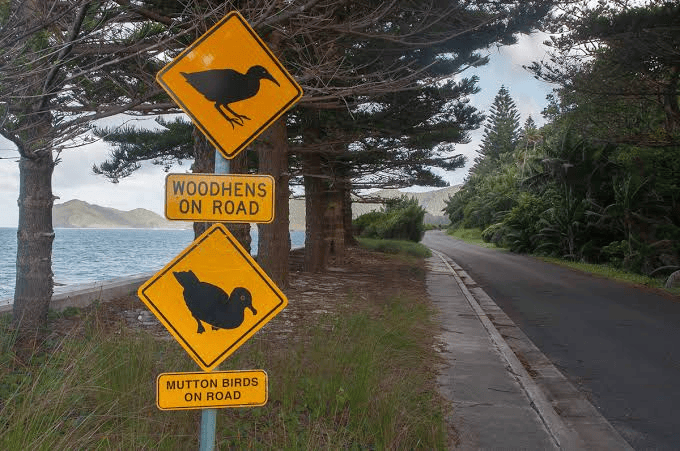
Birds were everywhere. The sound was straight out of a zombie movie: moaning and wailing from the dark forest, shapes lurching out on clumsy feet. The sight was pure Hitchcock. It reminded me of The Birds, the movie which I was allowed to stay up and watch on my sister’s 18th birthday, when I was eleven. I never saw how it ended: the clock struck midnight, and cake won over horror. Now here I was, decades later, right in the middle of it. Muttonbirds flew into my headlight, veered off, and came straight back again, wings flashing past my face. Others waddled along the road in front of me, or simply sat down in the middle of it, completely oblivious to my presence. And the woodhens, the island’s famously flightless birds, were no help either, darting out of the leaf litter and wandering under my wheels with complete confidence and zero road sense.
I inched forward at a crawl, gripping the handlebars, terrified I’d feel a bump. One species couldn’t fly, the other couldn’t walk, and neither of them could be persuaded to get out of the way. Birds bound to the ground, birds bound for the Pacific, and me on my scooter somewhere in between, trying very hard not to kill a single one.
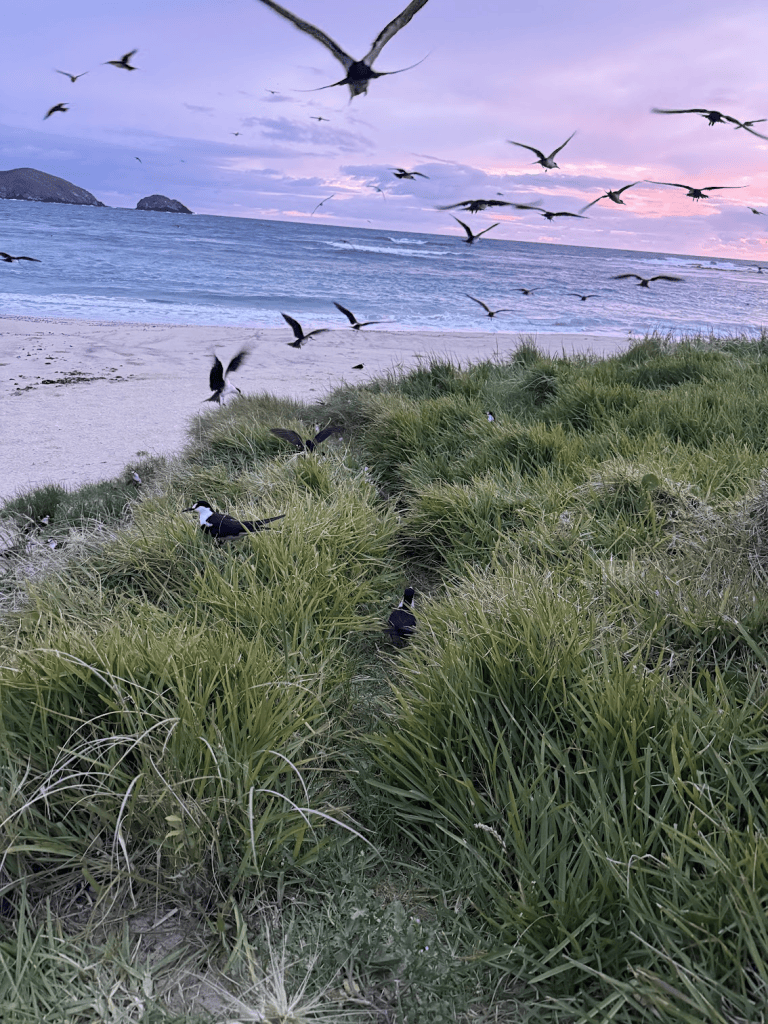
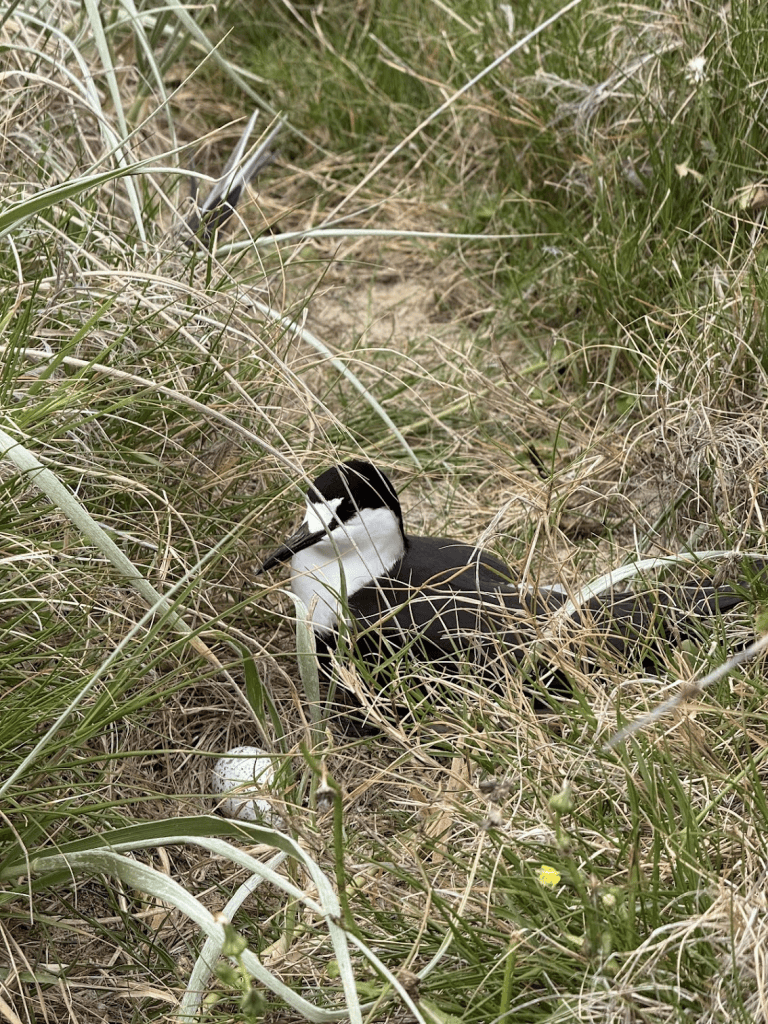
Then the trees opened up, and I rolled out of the dark, noisy forest onto Ned’s Beach in the first grey light of dawn. The chaos was behind me, or so I thought. At the beach, a different kind of crazy was waking up: hundreds of sooty terns, sleek in black and white, sitting on their eggs in the sand while others circled and screeched over my head. The muttonbirds had left to spend their day fishing on the open ocean. The terns were taking turns guarding their eggs. And the woodhens? Having finally found their way out of the woods, they were probably checking out my mobility scooter and contemplating taking it for a ride.
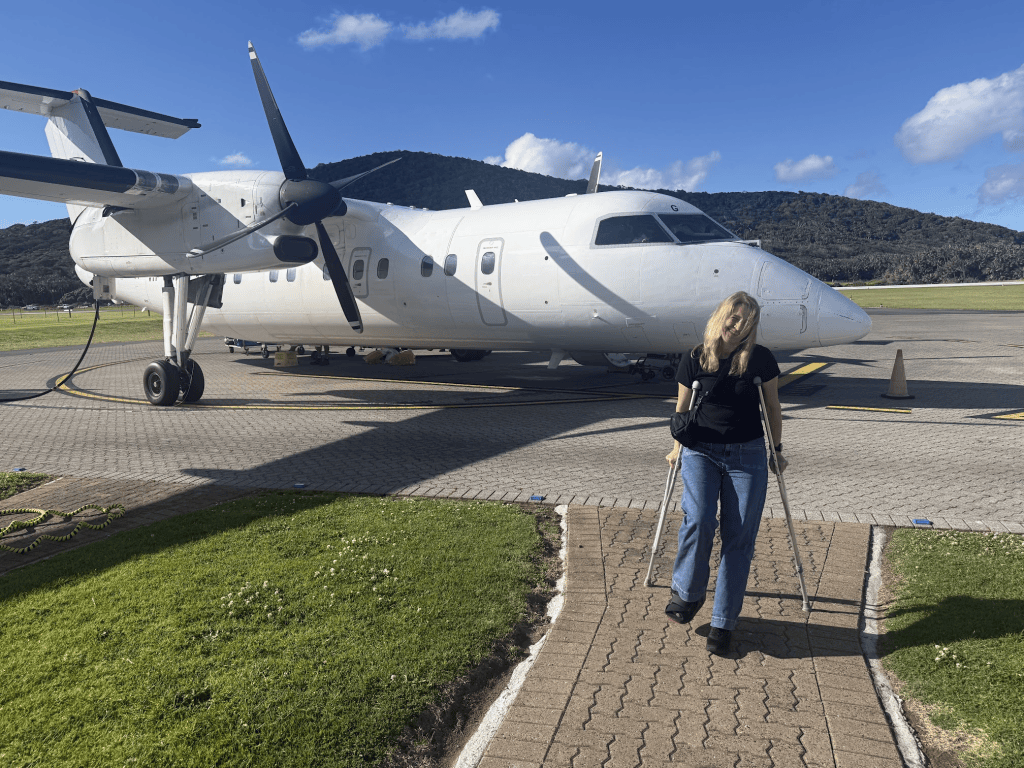
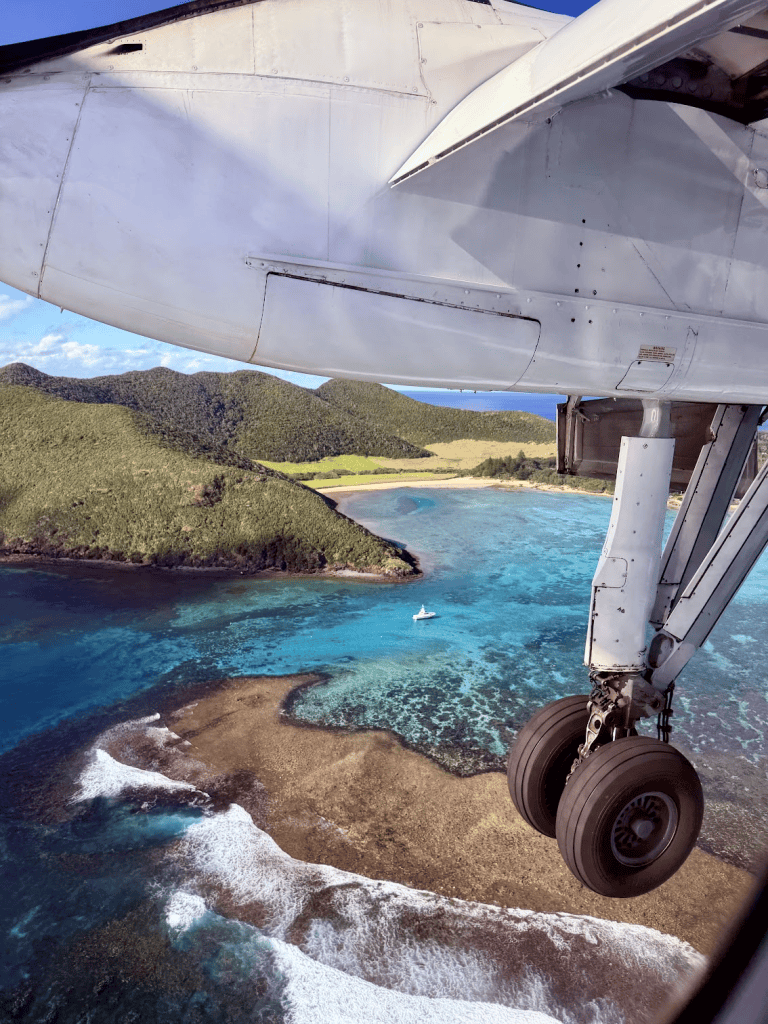
Lord Howe Island: two hours by a (very, very small) plane from Sydney, and all of a sudden there it is: 11 kilometres of rainforest, reef and mountains in the middle of the South Pacific. Officially part of NSW, but a whole world apart.
English settlers first made it home in 1834, and in 1982 it was declared a UNESCO World Heritage site, thanks to its extraordinary wildlife, much of it found nowhere else on Earth. Some call it a mini Galápagos, and it was easy to see why.
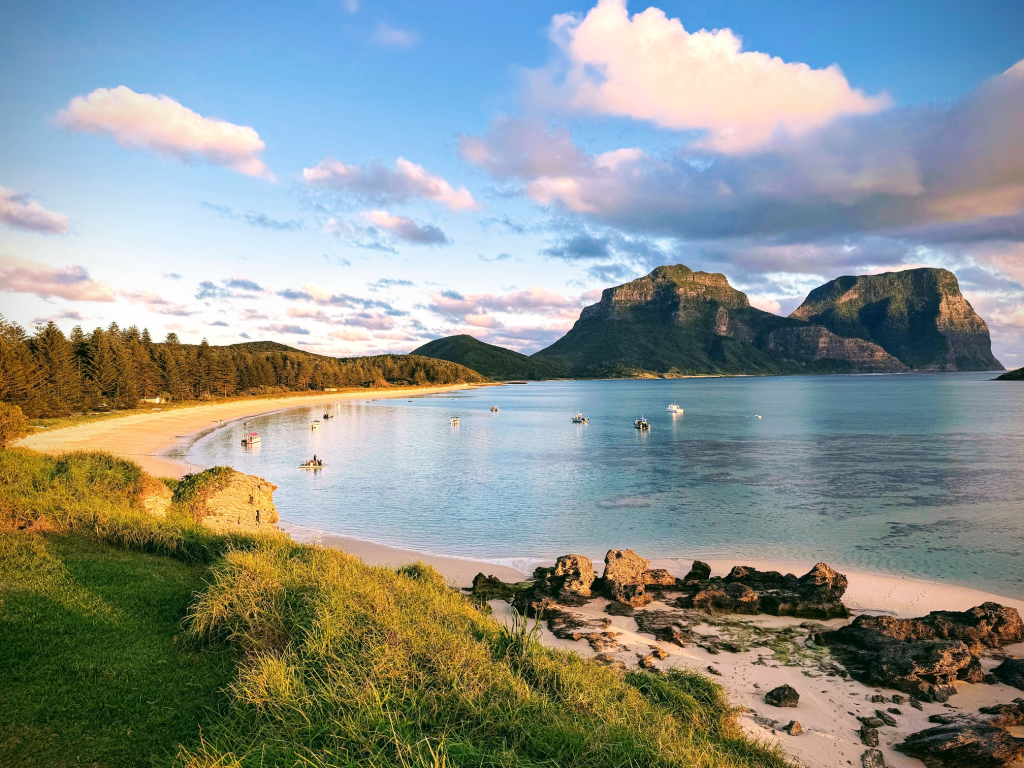
People are definitely outnumbered here. Around 350 locals, 100 or so staff, and tourists capped at 400 at any one time. The birds, on the other hand – tens of thousands, with more than 200 species. Under the water, the world’s southernmost coral reef holds more than 80 types of hard coral and some 500 species of fish, sharks and rays, along with turtles, dolphins, passing whales and the odd seal. And that’s before you count all the seaweeds, snails, sea slugs, shellfish, crabs, starfish, sea urchins and sea cucumbers.
And, of course, my friends the woodhen and the muttonbird.
I booked this extravagant trip early in the year, when things weren’t going so great, when I had to sit down on my bench by the ocean and seriously ask myself why I liked living on the other side of the world so much. At the top of my list: travel and adventure. So I acted promptly, before I could talk myself out of it, and booked a week on this mysterious-sounding island.
Cheapest accommodation, cheapest flight. A guided climb to the island’s highest point, Mt Gower (875 m), and a boat tour to Ball’s Pyramid, all booked and paid for. What I didn’t buy was travel insurance. I didn’t want the option to change my mind. This was going to be one of those once-in-a-lifetime trips, and nothing was going to stop me.
And then I broke my foot.
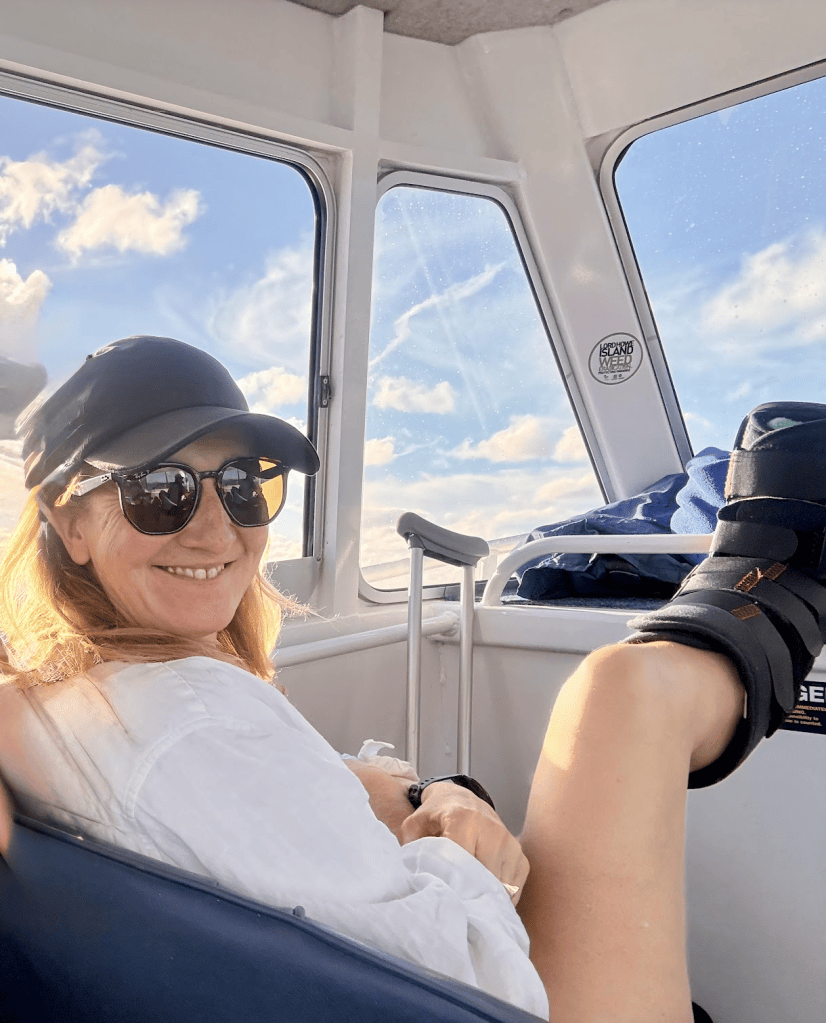
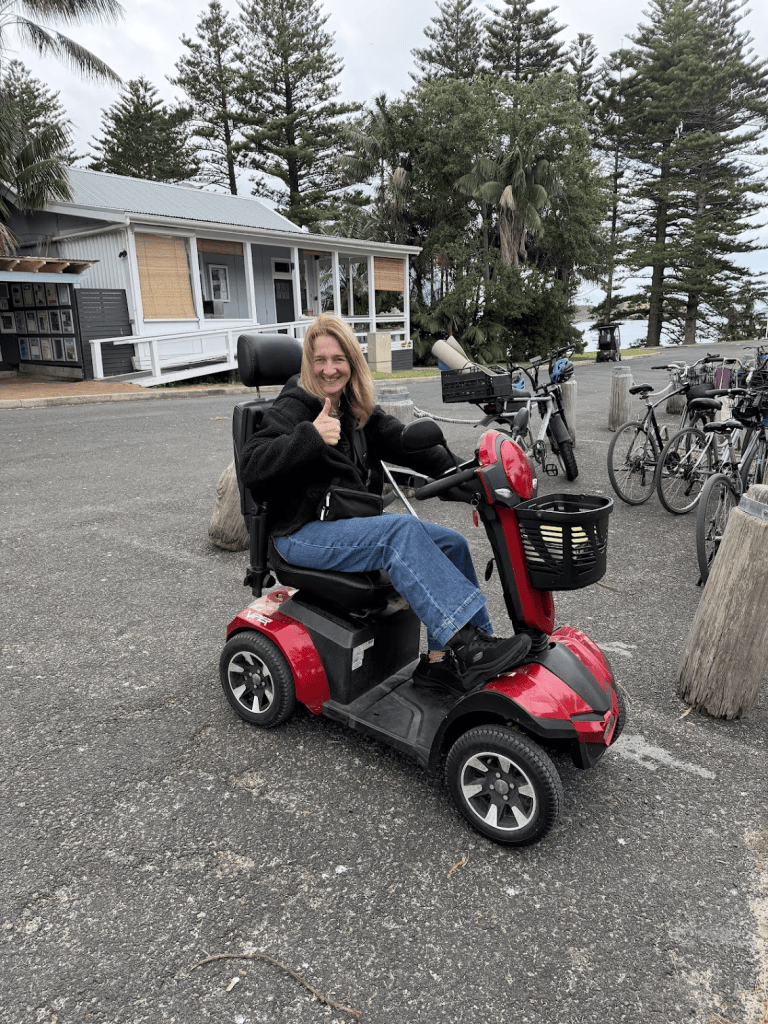
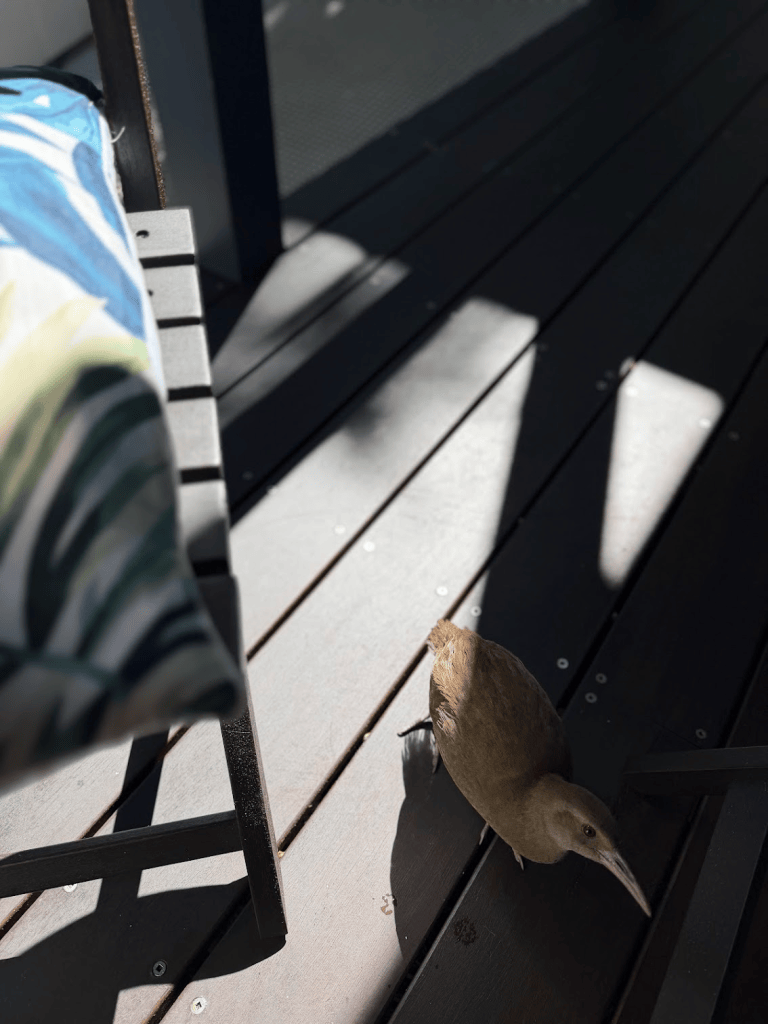
No climbing Mt Gower, no cycling the island, no wading out to the reef. No snorkelling, no hiking, no swimming with the sharks. Instead: me on two crutches and a bright red mobility scooter. Hours spent on my verandah, reading and writing, and talking to the very curious woodhens that came by for a visit.
And with time, I developed some sort of connection with that plump brown bird with the long beak and the tiny little wings, hopping from one place to another, unable to fly. I became interested in its story here on Lord Howe Island.
The woodhen is a rail, a cousin of New Zealand’s weka. Its ancestors flew to this island thousands of years ago, probably from Australia or New Zealand, because back then they still could. They settled on this amazing island with no land predators whatsoever, and eventually stopped flying. Their wing muscles shrank over generations (just like the muscles in my right calf), and what was left was a forest bird that had lost both the need and the ability to fly. Hop. Hop. Hop. (Not to be confused with New Zealand’s kiwi, which belongs to an ancient group of flightless birds alongside the emu and the ostrich, and is so odd it’s sometimes called an honorary mammal.)
Anyway, you can tell I spent a lot of time on that verandah with spotty internet, learning all there was to know about my friend the woodhen, who, in the meantime, was picking at my leftover muesli bowl.
Well, everything was fine and dandy for the woodhens until settlers arrived with pigs and goats for food and cats as pets, which sooner or later all went feral. Mice came ashore in the late 1800s, and in 1918 a ship ran aground off Lord Howe and rats made their way ashore. The days of the woodhen were numbered. By the 1970s, fewer than 30 birds were left, clinging on high up on Mt Gower. Despite the eradication of feral pigs and cats and a captive breeding program in the 1980s, their numbers never made it much past 250, because the rodents had an easy time with this flightless bird.
And so in 2019, with the help of Taronga Zoo, 208 woodhens were safely taken into care while all the rats and mice on the island were killed by putting out poison. Later that year, the birds were released back into their exact wild territories. Today there are over 1,600 woodhens on the island, some of them still wearing their colour-coded rings from 2019.
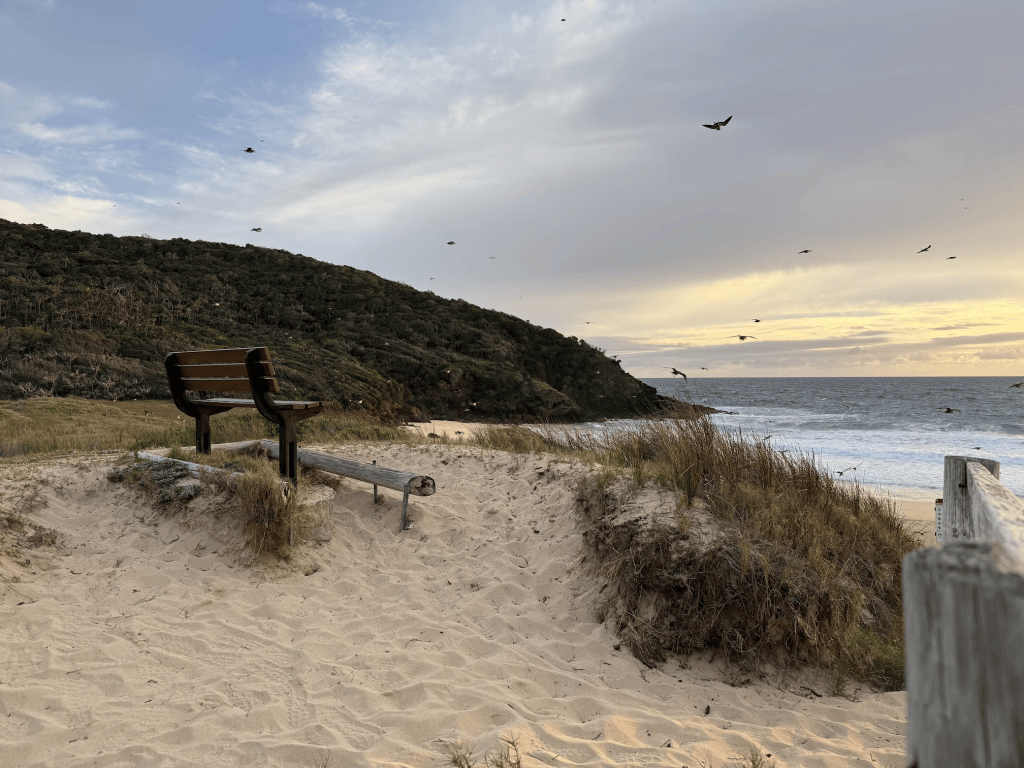
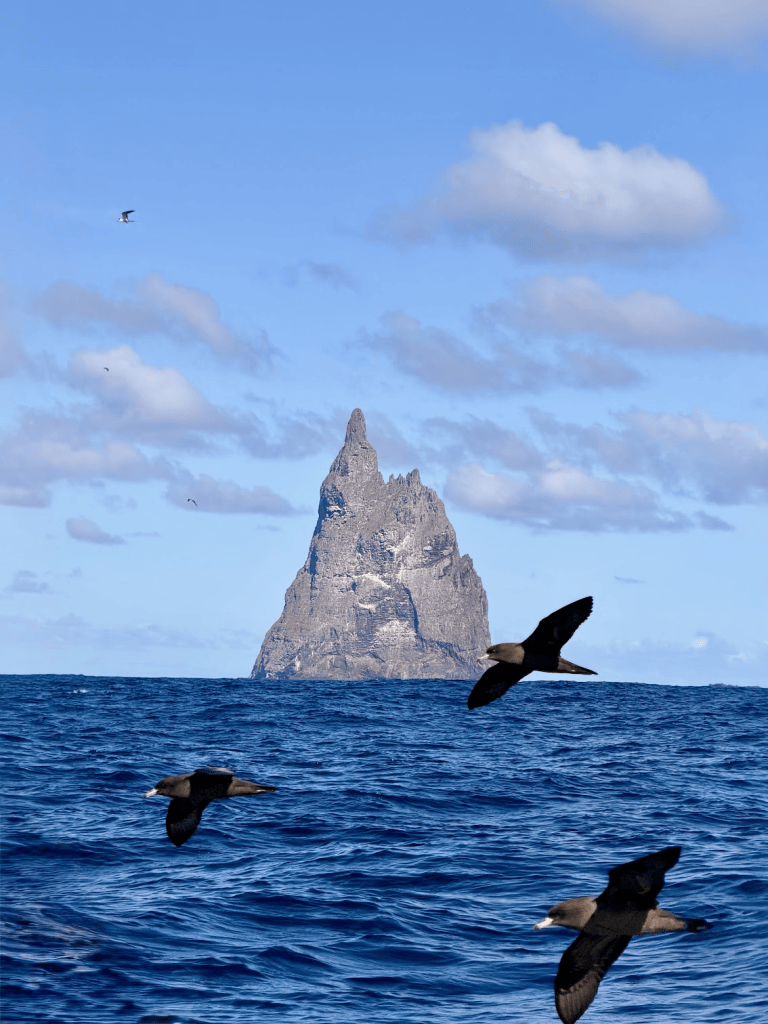
Why am I getting so excited about a (to be honest) cute but rather naive little bird? Because somewhere along the way, this little creature became my spirit animal. Hopping around from here to there, once threatened by the local island dangers, yet rescued with the help of so many on this little island. Maybe I wasn’t able to climb the mountain, or ride a bike beneath the Kentia palm trees, or swim with the ancient green turtles. But people went out of their way to help me get places anyway: the funky sand-dune wheelchair that the Island Board lent out for free, the scooter that got reserved for me, the restaurant owners who made sure I always had an extra chair to rest my foot on, and Captain Jack, who offered me a seat next to him at the wheel as we rode the waves out to the mystical Ball’s Pyramid, rising from the deep, dark ocean.
And there I saw them again: the muttonbirds that had been so useless on the ground, stumbling from their burrows in the little forest by the ocean, now soaring gracefully above us in the sky. The muttonbird, once harvested for its meat, which apparently tastes like …. mutton! Today threatened by plastic waste floating in the ocean and ending up in their tummies.
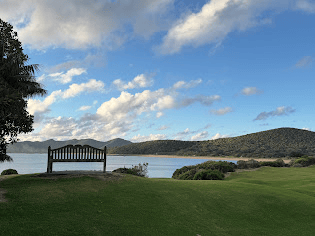
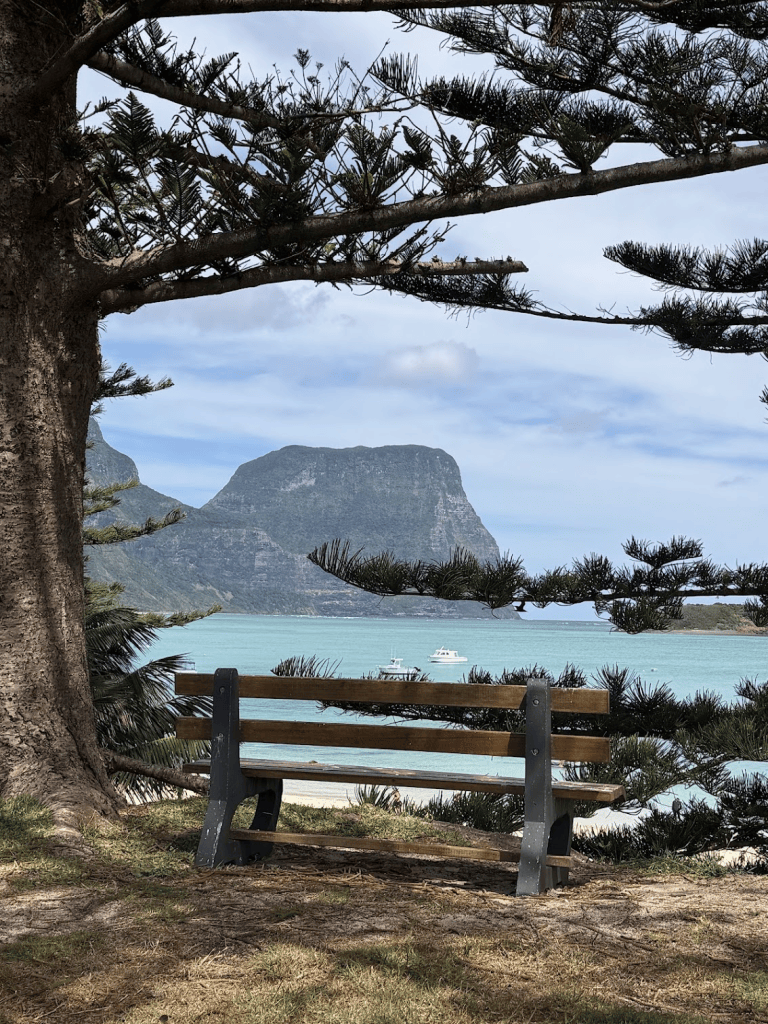
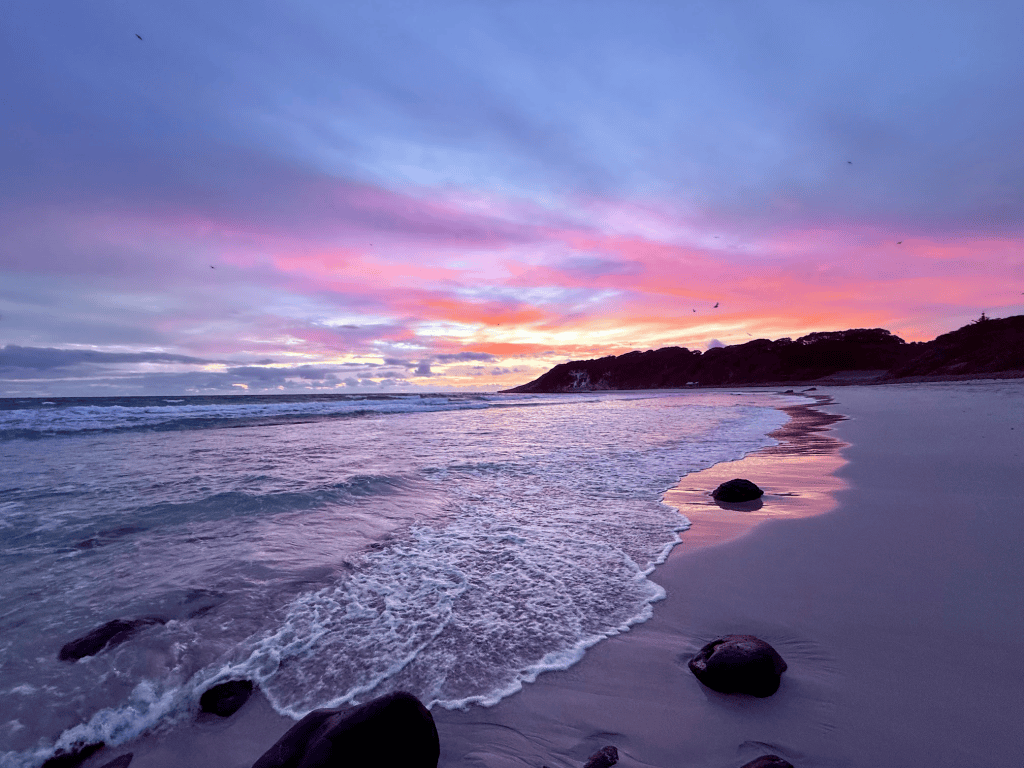
So, as I sat on the bench at Ned’s Beach that morning, watching the sun rise in beautiful shades of pink and purple, I reflected on what these little birds had taught me:
That being grounded isn’t always the end of the story.
That everyone is clumsy somewhere, sometimes.
That every recovery requires help.
And that this little island, far away from my everyday life in Sydney, gave me so much more than travel and adventure.
Cheers!


I love this! So happy you made the best of it and love so much learning about the strange and beautiful creatures of Australia.
LikeLiked by 1 person
Awww thank you! ❤️
LikeLike